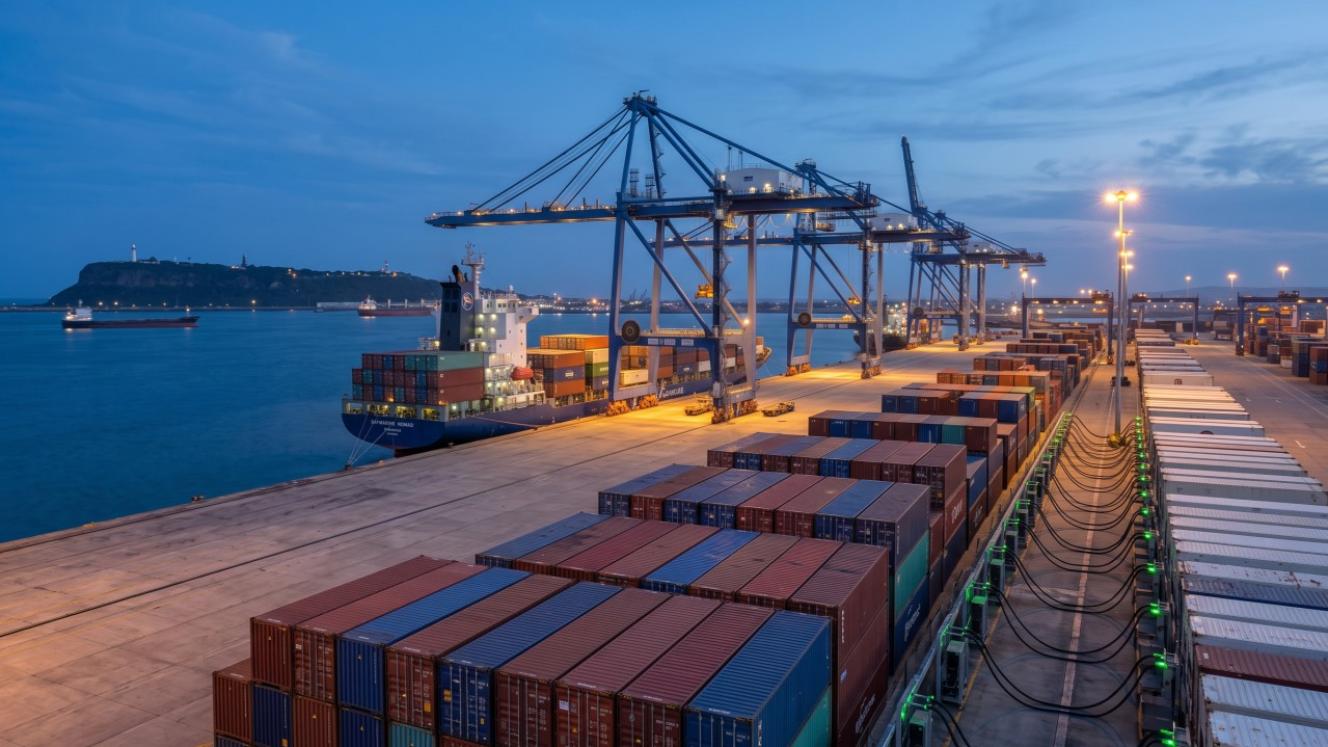
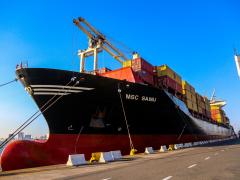
Southern African Development Community (SADC) leaders closed the regional bloc's trade conference on Thursday with a commitment to turn discussions into delivery by accelerating industrialisation, boosting intra-Africa trade, and removing the infrastructure and logistics bottlenecks hindering economic growth.
The region's leaders adopted the Durban Declaration at the 9th SADC Industrialisation Week, setting out a shared commitment to fast-track industrialisation by strengthening regional value chains, boosting beneficiation of critical minerals and agricultural products, investing in energy, transport and digital infrastructure, and scaling up support for small businesses, skills and innovation.
The declaration comes at a time when SADC is lagging in its industrialisation targets, with manufacturing value added slipping from 11.3% of regional GDP in 2024 to 10.9% in 2025, against a regional goal of 30% by 2030.
Reading the declaration at the closing ceremony, SADC Business Council chairperson Kulekane Mate outlined the resolve of member states to transform the region's economic landscape.
"Participants concluded that the success of Southern Africa's industrialisation agenda will ultimately depend on the collective commitments of governments, businesses, financial institutions, development partners, and all stakeholders to translate the recommendations and partnerships forged during this industrialisation week into concrete programmes, investments, and measurable results that improve the livelihoods of the people of the Southern African region," said Mate.
South Africa's Deputy Minister of International Relations and Cooperation, Thandi Moraka, said industrialisation was no longer simply an economic aspiration.
"It is the foundation upon which we will build resilient economies, create sustainable employment, strengthen regional value chains, and secure a prosperous future for the people of our region."
While the African Continental Free Trade Area (AfCFTA) has advanced regional integration, speakers said implementation continued to lag ambitions.
Intra-Africa trade accounts for just 15% to 18% of the continent's total exports, compared with more than 60% in Europe and about 50% in Asia. Africa's share of global manufacturing output remains below 2%, despite the region's extensive mineral and agricultural resources.
Moraka warned that the decline in SADC's manufacturing value added signalled a growing risk of deindustrialisation and stressed that infrastructure development was central to reversing the trend.
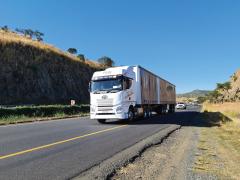
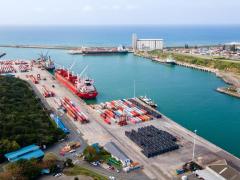
"Reliable energy, efficient transport systems, modern logistics capabilities, and digital connectivity remain the foundation of our regional industrialisation efforts. Without them, our industrial ambitions cannot be realised," she said.
She also highlighted the importance of transforming the North-South Corridor and other strategic transport routes into integrated economic corridors that support manufacturing, trade and investment across SADC member states.
Moraka said the success of the regional agenda would depend on moving from policy to implementation.
"May this 9th SADC Industrialisation Week be remembered as the moment when our region chose implementation over intentions, partnerships over isolation, innovation over complacency, and industrial transformation over continued dependence."
SADC Secretariat Deputy Executive Secretary for Regional Integration, Angele Makombo Ntumba, said the region would ultimately be judged not by the quality of its discussions but by the industries established, jobs created and opportunities delivered for future generations.