Deteriorating vessel turnaround times placed six of eight major Southern African freight corridors under pressure last week despite improved conditions on several roads and at key border posts.
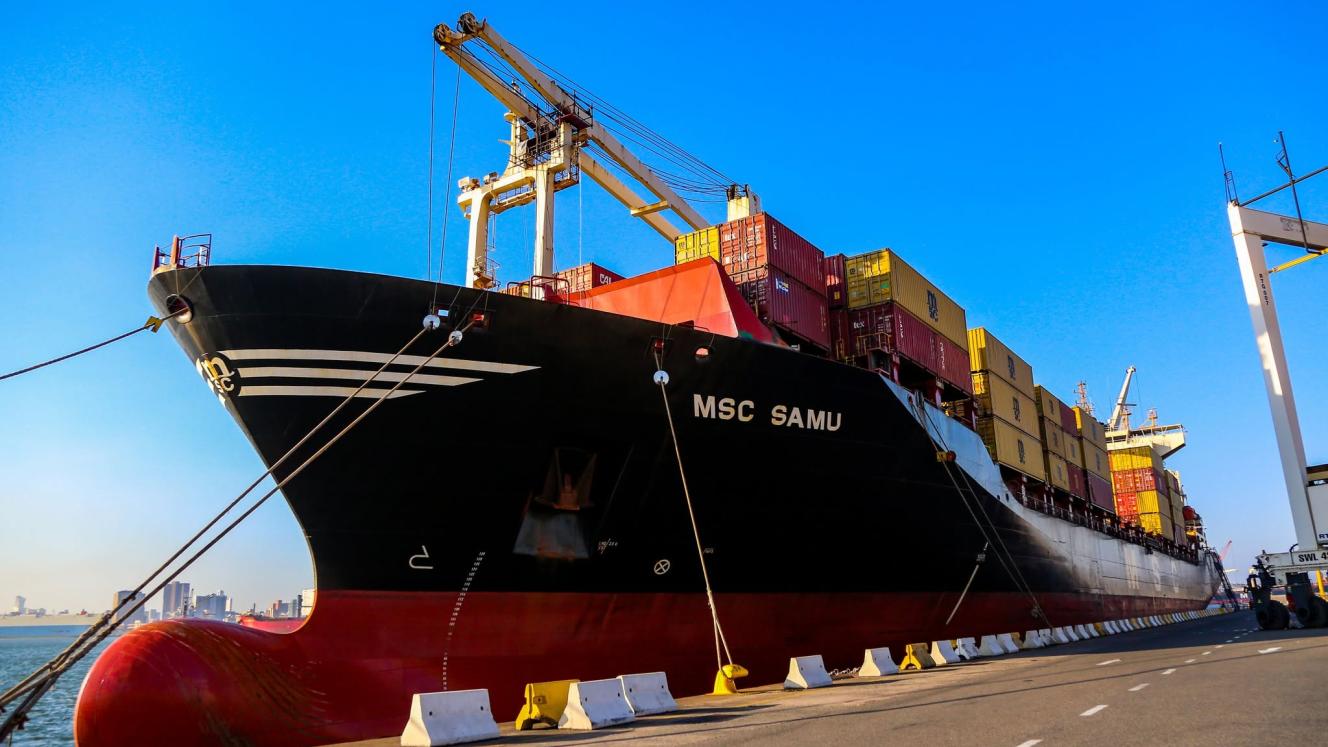
The latest RSA Corridor Pulse Report, covering September 14 to 20, identifies ports as the main constraint across the monitored network with delays recorded at Richards Bay, Durban, Cape Town, Saldanha and Maputo.
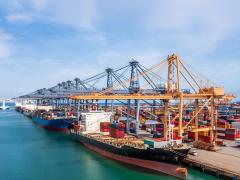
Richards Bay recorded the most widespread deterioration among the South African ports. Average vessel port call time increased to nine days and one hour after berth time rose by more than a day to four days and 18 hours.
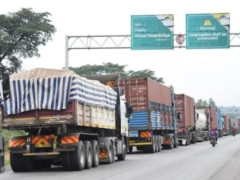
Vessels also spent an average of four days and seven hours at anchorage while the average queue of trucks travelling southbound towards the port doubled compared with the previous week.
The report classified the N2 corridor between Ermelo and Richards Bay as “at risk” although road performance remained comparatively strong. Operators were advised to allow additional time when scheduling port calls.
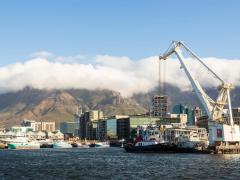
Cape Town’s average vessel waiting time increased by 69% to two days and eight hours: its highest level since mid-June. Berth time averaged a further two days and 10 hours.
The report said the increase could develop into a more persistent constraint if vessel waiting time remained above two days during the following week.
At Durban, average port call time remained above seven days for the third consecutive week, reaching seven days and six hours. Anchorage time averaged three days and eight hours while vessels spent an average of three days and 22 hours at berth.
Road travel on the N3 between Johannesburg and Durban remained relatively stable but the number of reported traffic incidents increased from 34 to 55.
Saldanha also came under pressure. Average anchorage time increased to two days and nine hours while berth time rose by more than a day to four days and 12 hours.
The Kuruman-Saldanha road corridor was running about 45% slower than during the comparable period in 2025. This performance gap persisted for 11 consecutive weeks, according to the report.
Maputo’s average vessel port call time rose to nine days and eight hours, including six days and five hours at anchorage. However, travel time on the N4 and border crossing conditions eased during the week.
Gqeberha was the principal exception to the broader deterioration in port performance. Its average vessel port call time improved to three days and two hours while road travel on the Kuruman-Gqeberha corridor also eased.
Conditions improved at several regional border posts. Beitbridge crossing time declined by 16% and its average queue shortened by 58% while queues at Lebombo and Pioneer Gate also decreased significantly.