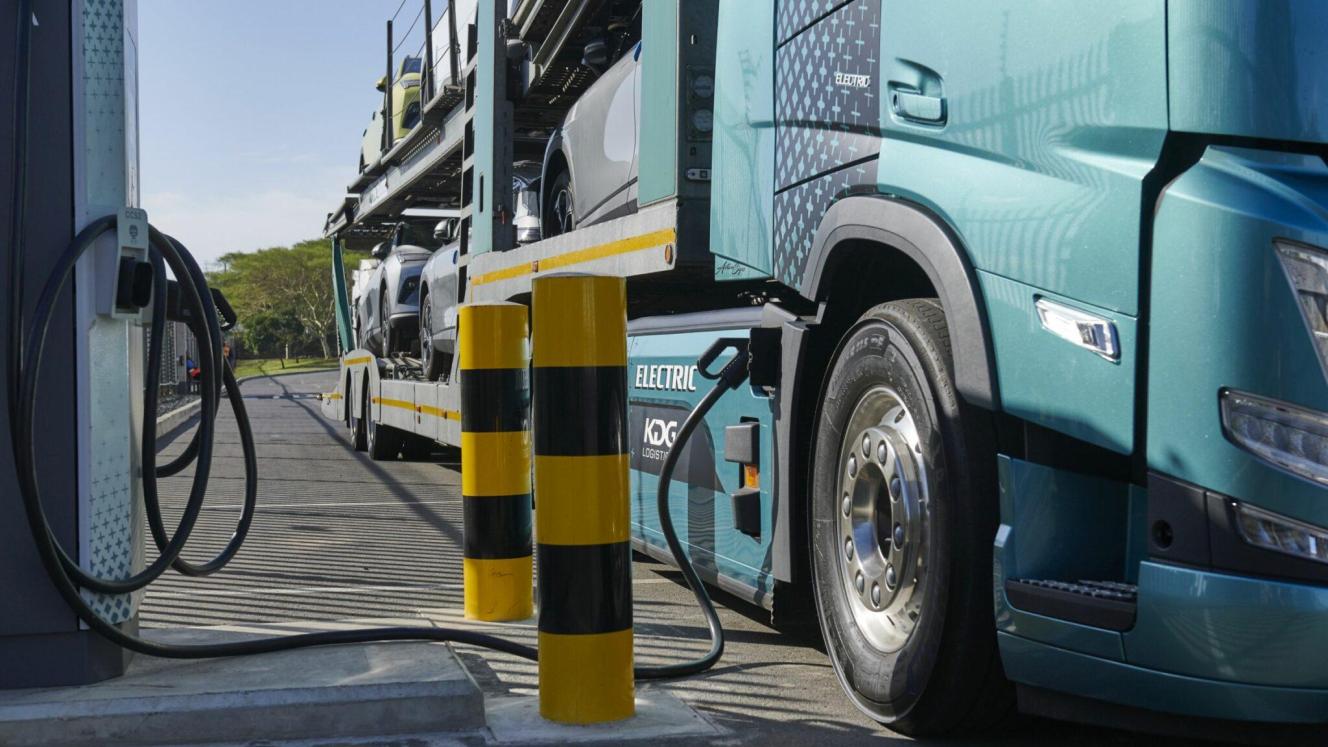
Two electric trucks have departed on an approximately 4 000km test of their performance and charging requirements on South Africa’s major freight routes.
The Mzansi EV Truck Super Test 2026 began in Boksburg on Wednesday, September 23, taking the trucks to Cape Town, Gqeberha, East London and Durban before they return to Johannesburg.
The route includes sections of the N1, N2 and N3. It intends to generate data on the energy requirements of electric trucks operating under South African conditions. It will also test the suitability of the country’s existing highway charging network, which was primarily developed for passenger vehicles.
The trial involves two SANY electric trucks supplied by SANY Africa and GHM Machinery: a 35-ton 4x2 truck tractor and an eight-ton rigid truck.
According to the organisers, the trucks have been fitted with GoMetro’s ZAPPP telematics technology, which will record operating data at one-second intervals throughout the journey.
The first leg will take the trucks to Cape Town where they are scheduled to arrive on September 28 for Africa E-Mobility Week. Testing around Cape Town will include mountainous terrain, followed by the coastal legs of the route and a fully loaded climb from Durban to Johannesburg.
The test is being organised by commercial fleet electrification company flx EV with GoMetro providing telemetry and data services. The Kuehne Climate Center is the lead sponsor.
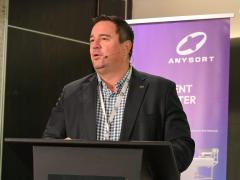
GoMetro CEO and flx EV Founder Justin Coetzee said the trial intends to provide real-world information on the viability of electric trucks and the charging infrastructure required to support their operation.
“We cannot wait for external markets to prove electric trucking for African conditions,” he said.
“By conducting the world’s longest Class A independent trial, we are generating real-world data that we hope will demonstrate commercial EV viability while showing where dedicated truck-charging hubs are required.”
The organisers describe the trial as “Class A independent” because flx EV, rather than the vehicle manufacturer, controls the route, drivers, telemetry, analysis and reporting. SANY’s role is limited to supplying the vehicles and providing standard warranty support.
Smart Freight Centre will be the independent verifier. It will oversee data escrow, witness the start and completion of the test and consider the trial for certification.
The organisers claim that, if certified, the approximately 4 000km journey will exceed the current independent benchmark of about 3 000km by more than 25%. This claim remains subject to completion of the journey and independent verification.
African fleet operators and policymakers required locally generated information to assess electric transport, Kuehne Climate Center Senior Manager for Climate and Logistics Olivia Lamenya said.
“Africa needs its own tested, verified and practical e-mobility solutions.”
The trial’s commercial significance will depend on the final operating results, including the trucks’ energy consumption, range under load, charging times and ability to maintain practical freight schedules.