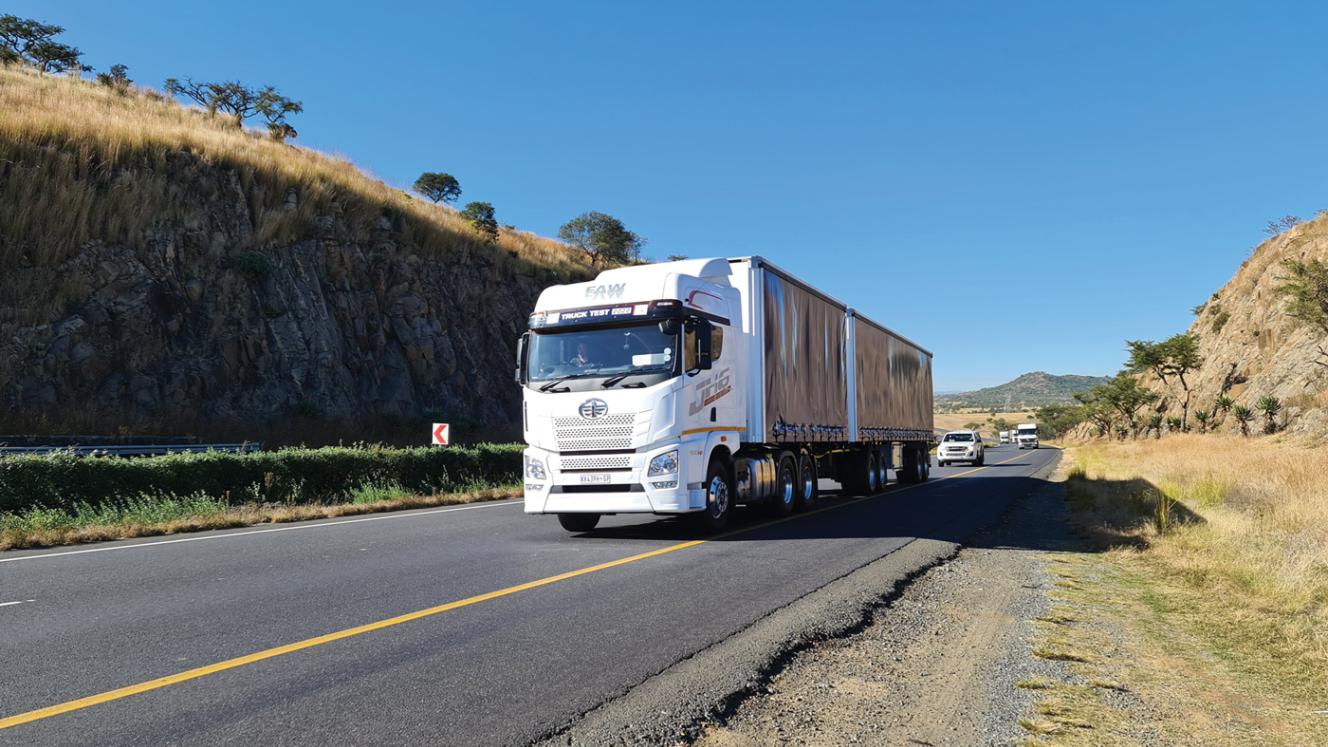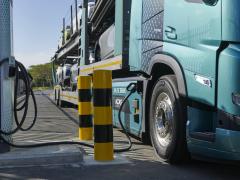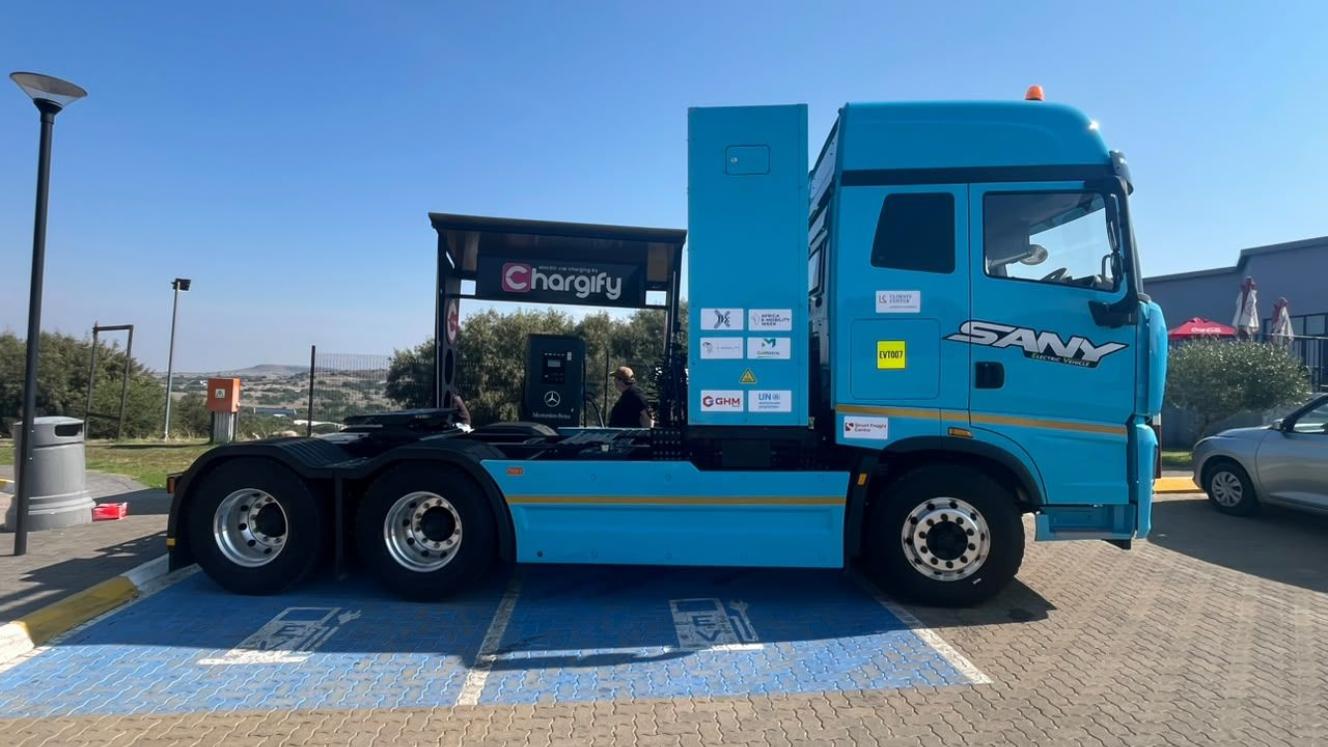
South Africa needs charging infrastructure designed around the space, power and charging speed requirements of heavy commercial vehicles to support electric truck operations, according to Justin Coetzee, CEO of GoMetro and founder of flx EV.
Speaking to Freight News about the Mzansi EV Truck Super Test 2026, Coetzee said the country’s existing public charging network was primarily designed for passenger vehicles and was not configured for heavy trucks.
Heavy vehicles require different site layouts, including sufficient space to manoeuvre trailers and appropriate turning circles. Coetzee said trucks could require charging power of between 250kW and 450kW.
“The biggest message we want to bring to South Africa is that truck electrification is a separate layer of charging infrastructure,” he said.
The company’s approximately 4 000km trial involves a 4x2 truck tractor and a rigid truck travelling between Johannesburg, Cape Town, Gqeberha, East London and Durban.
Alongside assessing charging requirements, the trial is expected to generate operating data on energy consumption and battery performance under South African conditions.
Coetzee said one of the main gaps it would address was the lack of independently verified operating benchmarks for electric trucks.
A key measurement will be energy consumption in kilowatt-hours per kilometre under different conditions, including when trucks are loaded or unloaded and travelling uphill, downhill or on level roads.
“We’re first trying to determine those typical values and the range of values that transporters can expect when the vehicle is loaded, when it’s unloaded, when it’s uphill, downhill and flat,” Coetzee said.
The truck tractor will tow a trailer throughout the journey and carry general goods. About 30-50% of the journey is expected to be completed under full load.
Testing will also include urban distribution operations with the rigid truck, while the wider route will expose both vehicles to varying terrain and weather conditions.
The trucks are fitted with GoMetro’s ZAPPP telemetry technology, which will collect data at one-second intervals, including battery status, power draw, voltage and temperature.
The energy consumption data could be incorporated into operators’ own total-cost-of-ownership calculations alongside factors such as electricity prices, vehicle costs and battery replacement.
“We’re hoping to provide better variables so that people can do their own calculations,” Coetzee said.
Battery data could also inform forecasts of degradation and potential replacement periods. However, Coetzee acknowledged that longer-term degradation would have to be forecast from the data collected during the trial.