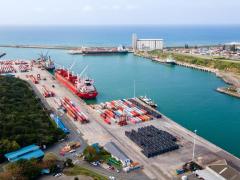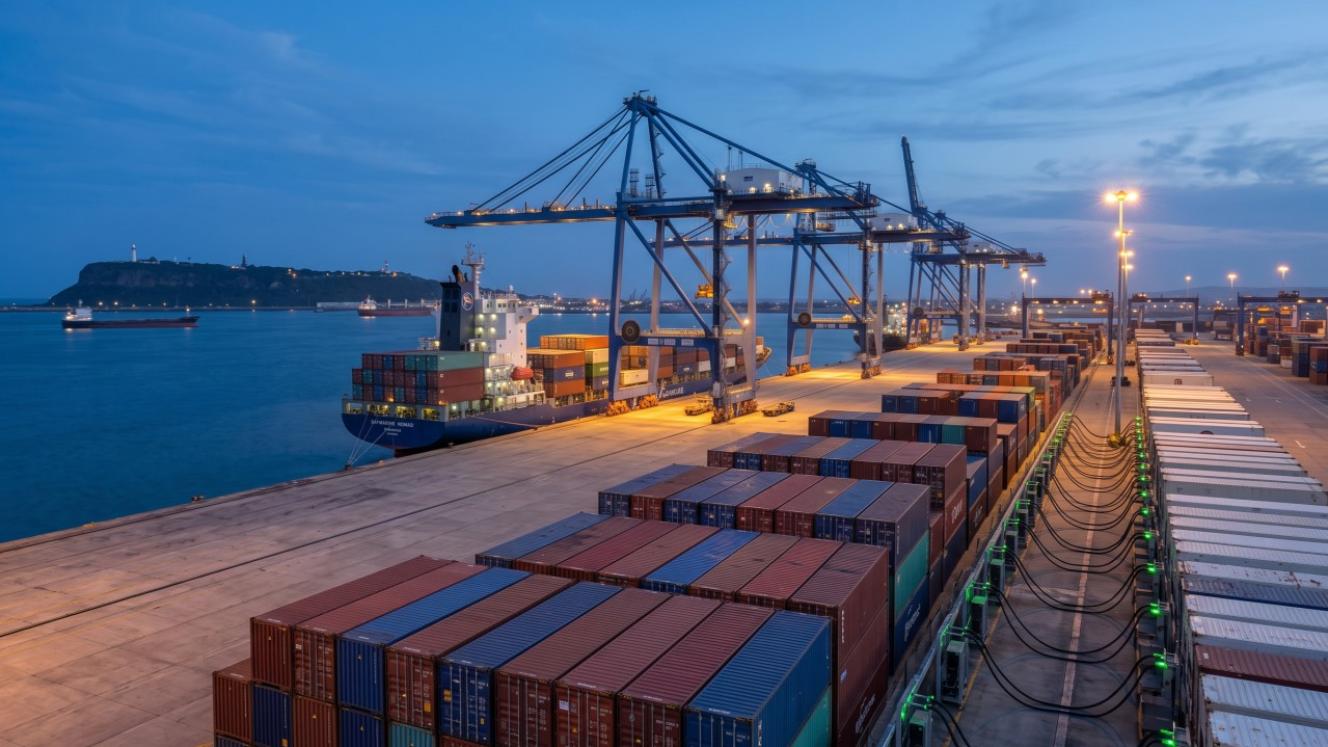
Durban Gateway Terminal (DGT) has reported improved throughput and yard conditions, but truck booking shortages, lengthy collection times and shipping-line charges continue to disrupt cargo flows, according to freight industry stakeholders.
Total terminal moves have returned to approximately 7 000 to 7 500 a day, in line with standard operating targets, according to DGT’s recovery update released this week. The terminal reported progress despite recent severe weather and localised flooding.
Yard occupancy remained stable at between 63% and 64%, while lower citrus and reefer container volumes had provided additional operational capacity, DGT said.
The number of vessels waiting at outer anchorage had dropped to eight at the time of its update. However, DGT acknowledged that the queue needed to be reduced further through continued engagement with shipping lines, Transnet Port Terminals and other stakeholders.
Terminal performance had improved since the implementation of the Navis system in August, DGT chief commercial officer Grant Bahlmann said.
“DGT remains in regular and constructive engagement with port users, customers and relevant authorities, ensuring stakeholders are kept informed of operational developments, progress achieved and the measures being implemented to enhance performance,” Bahlmann said.
“This ongoing engagement is particularly important where coordinated action across the integrated logistics chain is required to support improved efficiency and service delivery.”
Supply-chain delays persist
However, improvements within the terminal had not yet translated into normal conditions across the wider supply chain, the South African Association of Freight Forwarders (SAAFF) cautioned.
“The latest operational data continue to show a materially improved yard position compared with the late-August crisis, although the indicators remain variable. As of 25 September, general stack occupancy was 59.3%, road imports on hand 2,561 containers, rail containers 122, and reefer occupancy 74%,” the association said.
The accumulated commercial and supply-chain effects were still working through the system, SAAFF said. Cargo release and exposure to charges varied considerably by shipping line, cargo type and individual shipment.
DGT has waived terminal storage charges during the affected period and appealed to shipping lines to provide corresponding free-time and demurrage relief. However, relief remained dependent on individual carriers’ commercial arrangements, the association said.
A single day’s vessel queue did not establish a sustained recovery trend, SAAFF added, noting that the anchorage count stood at 10 vessels on September 25.
“What we can say is that the wider supply chain remains displaced: our current analysis continues to indicate an additional approximately 18–20 days through affected supply chains,” it said.
“The appropriate test is therefore not whether a target can be reached on an individual day, but whether performance can be sustained across waterside, yard and hinterland flows over time.”
Truck bookings remain a hurdle
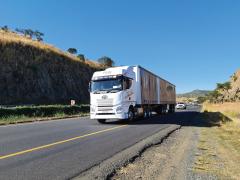
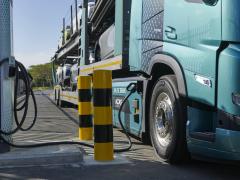
For road hauliers, difficulties securing bookings and collecting containers continued to drive up operating costs, Positive Freight Solutions CEO Alex Hill said.
DGT’s reporting did not provide sufficient information on equipment availability and truck turnaround times to assess its overall performance, he said.
“On the ground we are not seeing an improvement, except longstanding containers seem to have been reduced,” Hill said.
“We have trucks with valid bookings spending anything from four to 22 hours. Transporters spend days to secure a booking and another day waiting to get serviced.”
DGT knew which trucks and containers to expect through its booking system and should be able to service them within a reasonable time, he said.
Hill said securing a booking could take one to two days, followed by a day to be serviced at DGT and another day to unpack the container and return the empty. This was unsustainable for transporters, he said.
Cargo owners also remained exposed to shipping-line charges despite improvements inside the terminal, South African Freight and Logistics Association (Safla) executive officer Dave Logan said.
Yard utilisation of 63-64% indicated positive operational momentum, he said, while acknowledging DGT’s waiver of terminal storage fees.
“Despite this helpful gesture, cargo owners remain heavily exposed to shipping line demurrage and detention penalties. The primary operational hurdle remains the landside container evacuation process. Transporters continue to face immense difficulties securing booking slots through the truck booking system. When booking slots are unavailable, containers remain pinned in the yard regardless of overall yard space,” Logan said.
Port congestion surcharges remained in place on Durban cargo across most major commercial routes, according to Logan. Exporters also faced unpredictably compressed stack windows, while equipment and locomotive shortages continued to constrain Transnet Freight Rail, he said.
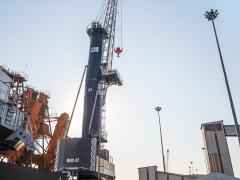
Replacing ageing container-handling equipment would be an important part of achieving sustained operational stability, Logan added.
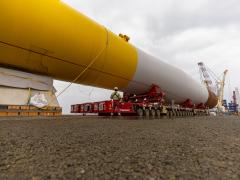
“DGT has confirmed that new equipment has been purchased, but delivery lead times of 12 to 18 months mean relief is still some way off. In the meantime, DGT is doing its best to keep the existing ageing equipment operating, which remains a significant challenge,” he said.