Customs weaknesses, false declarations and cross-border smuggling are contributing to an illicit South African economy estimated at R279.3 billion across 12 industries.
An economic, fiscal and employment impact assessment commissioned by the Consumer Goods Council of South Africa (CGCSA) and conducted by Econometrix estimates that illicit trade displaces R193 billion in formal business sales and removes R126 billion from gross domestic product annually.
The report, Illicit Trade in South Africa, estimates that government loses R68 billion a year through unpaid customs duties, value-added tax, excise taxes and other levies.
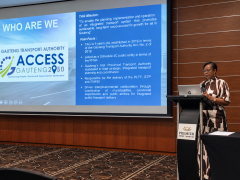
Criminal networks exploit weaknesses in border management, customs systems and supply chains, Econometrix Director and Chief Economist Azar Jammine said at a South African National Editors’ Forum and CGCSA roundtable.
“In several sectors, illicit trade is closely linked to organised criminal networks involved in customs fraud, smuggling, counterfeiting, money laundering and corruption,” Jammine said.
“These networks frequently operate across multiple industries, adapting their methods in response to, in our case, the lack of enforcement activity and exploiting weaknesses in border management and regulatory systems and supply chains.”
Customs vulnerabilities
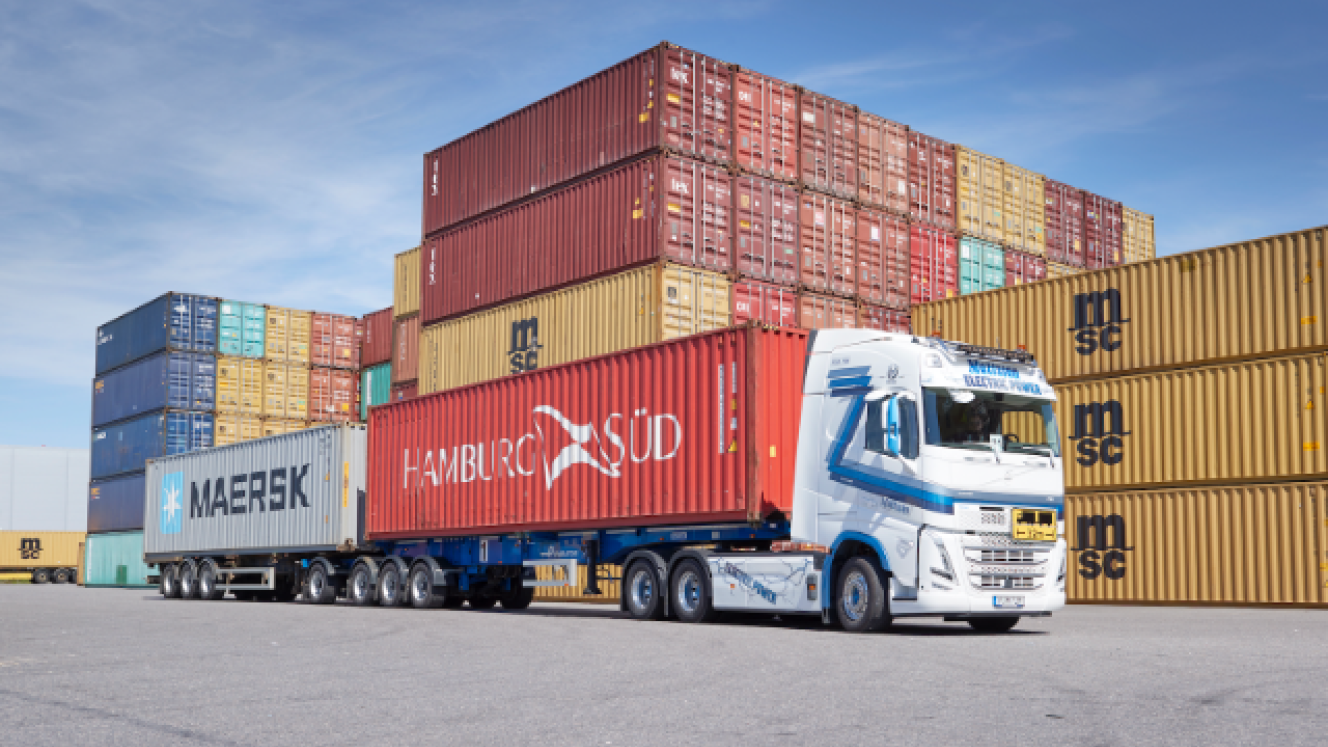
According to the report, illicit operators manipulate import, export and transit procedures through transshipment hubs including Dubai and Hong Kong.
The methods include falsifying customs declarations, under-invoicing goods, concealing countries of origin and round tripping consignments to obtain fraudulent duty drawbacks.
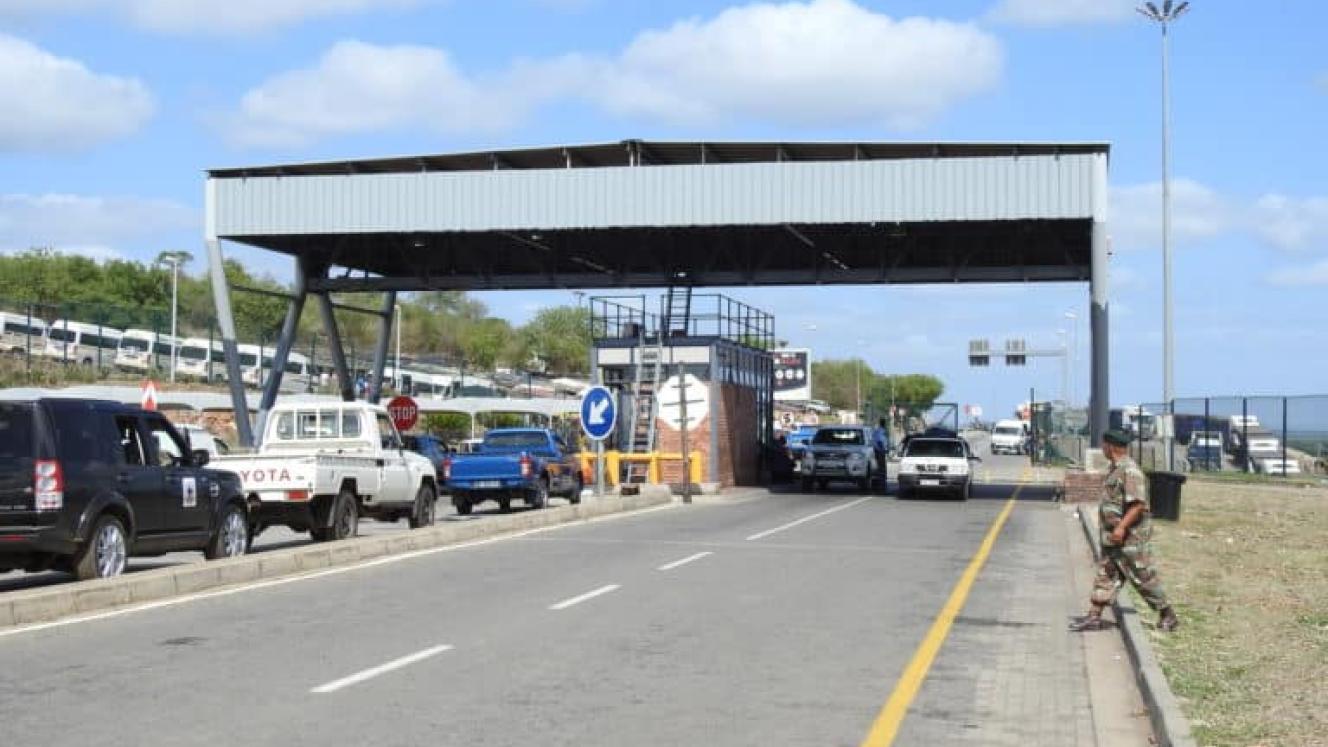
Inspection constraints at the ports of Durban and Cape Town and the Beitbridge border crossing are among the vulnerabilities identified in the report. It also alleges that corruption involving licensing authorities, border posts and inspection checkpoints facilitates the movement of illicit goods.
Customs misdeclaration, undervaluation and tariff fraud are identified as major entry mechanisms.
The report estimates illicit activity in the clothing, textiles, footwear and leather sector is R20.4 billion annually, driven partly by customs under-invoicing and border evasion.
Illicit alcohol trade is estimated at R39.8 billion when measured at the value of the equivalent products in the formal market or R25.1 billion at prevailing illicit prices. The report identifies cross-border smuggling and round tripping schemes used to avoid excise duties as key concerns in this sector.
Mining accounts for the largest illicit market identified in the assessment, estimated at R60 billion. It is followed by unregulated online gambling at R55.1 billion, illicit tobacco at R45 billion and illicit alcohol.
Other affected industries include food, automotive fuel, chemicals, pharmaceuticals, non-alcoholic beverages, cosmetics and personal-care products and toys and games.
The assessment was supported by social partners represented at the National Economic Development and Labour Council, including COSATU.
Econometrix Director and Chief Economist Johannes Jordaan said researchers used several sources to estimate the scale of activity not captured in official statistics.
“Just given the nature of illicit activities and the unknown component, the shadow markets, there isn’t data available to work with specifically to calculate the size of the industry as you would do normally by going to Stats SA,” Jordaan said.
Researchers examined customs mirror trade discrepancies, official supply and use tables, seizure records, industry surveys and international comparisons.
“We looked at a vast range of data sources to try and pinpoint what a good range, or a good value, could be for any specific industry,” Jordaan said.
Stronger enforcement needed
CGCSA Executive Neo Momodu called for stronger enforcement and adoption of modern supply chain verification systems.
Momodu said South Africa needs to answer the question “When are we actually going to catch up with the rest of the world and address the challenge that we have?”
Track and trace systems, GS1 global standards and digital product passports should be introduced across manufacturing and distribution chains alongside stronger law enforcement measures, Momodu said.