A recovery in South Africa's rail network would generate more business for road freight operators rather than reduce their role in the logistics sector, Road Freight Association (RFA) SMME Support and Vehicle Costing Index (VCI) manager Gerhard Marais said during a Transport Forum webinar on Thursday.
The association supported efforts to revive rail because a more efficient freight system would stimulate economic growth, creating additional freight volumes across all transport modes.
"We are not opposed to rail development. It's absolutely critical because the more rail improves, the more economic growth it will unlock, and that will result in more transport for us," Marais said.
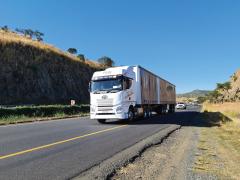
Road freight currently carries about 85% of South Africa's estimated 1.4 billion tonnes of freight annually, while rail transports about 166 million tonnes, according to figures presented by Marais. Even if rail volumes increase to 175 million tonnes, road freight volumes are still expected to grow as overall freight demand expands.
"Road will remain dominant for the next five years, although certain sectors will be affected by rail's growth. There will be some losses, but we'll probably have more to gain," he said.
Growing intra-Africa trade was also expected to support demand for road freight, Marais said. He argued that governments across the continent lacked the funding and capacity to expand rail infrastructure quickly enough to meet future demand without significant private-sector investment.
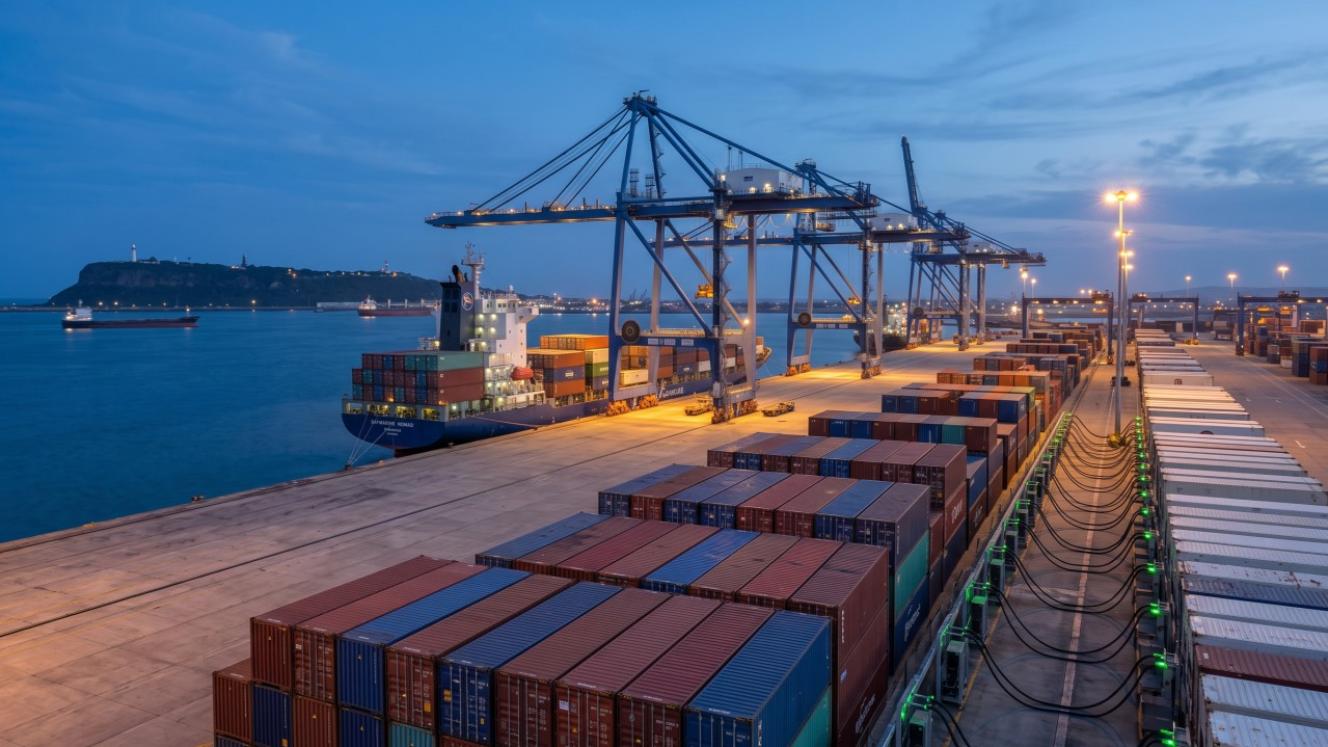
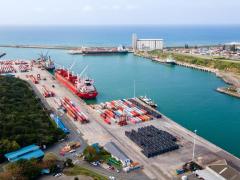
However, worsening congestion at container terminals was eroding improvements achieved elsewhere on key freight corridors, Marais warned.
Although average port dwell times had improved and the automotive, breakbulk and liquid bulk sectors had recorded stronger performance, gains in container operations had been wiped out over the past two months, he said.
"The port queue is offsetting whatever road gains we can make."
Operators should expect changing estimated arrival times and higher trip costs while congestion persists, he said. Deteriorating road conditions in parts of Gauteng, roadworks along sections of the N3 and vehicle breakdowns were also affecting corridor efficiency.
Improving preventative vehicle maintenance, particularly reducing breakdowns involving stationary trucks, would help improve corridor performance, Marais said. However, he stressed that resolving congestion at container terminals remained critical to improving freight efficiency across South Africa's logistics network.