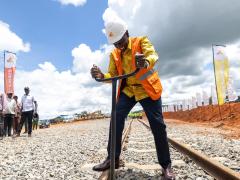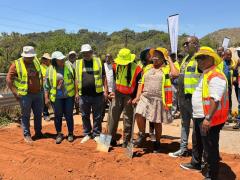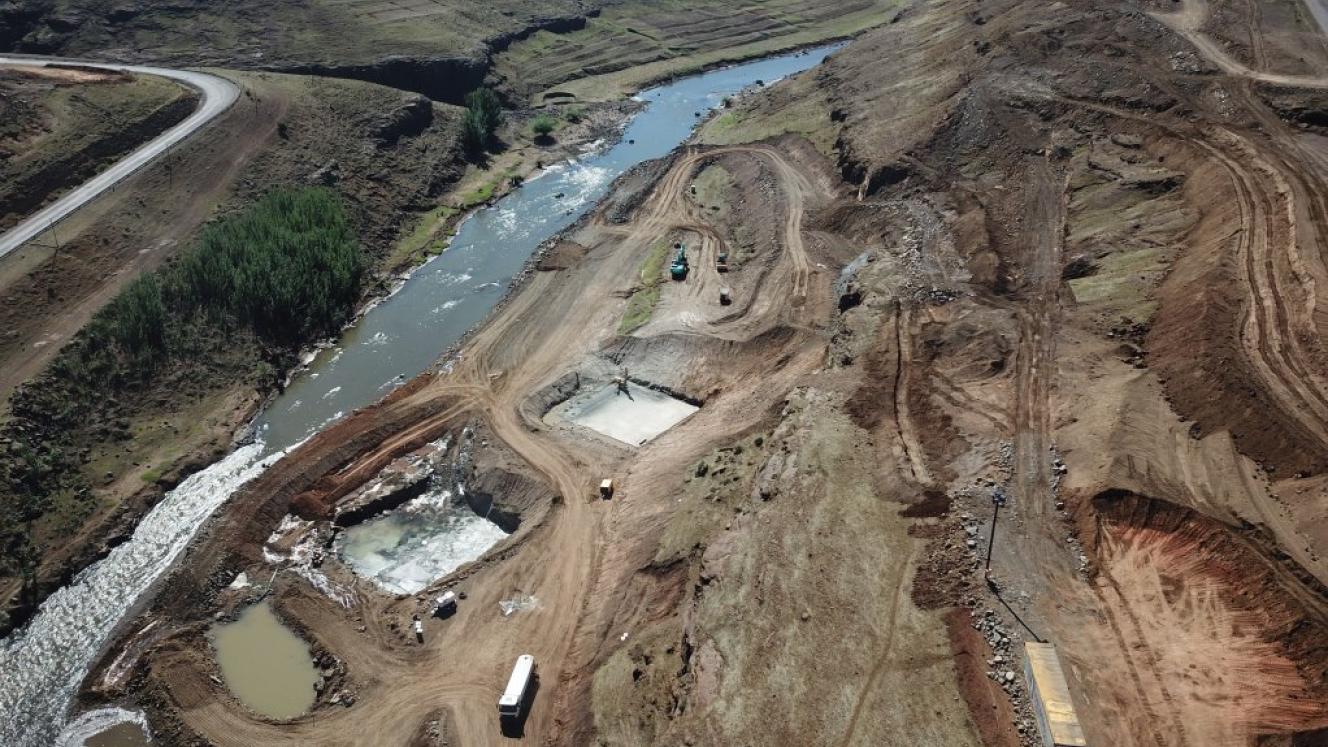
A new surfaced road built for the Lesotho Highlands Water Project (LHWP) provides heavily laden trucks with an alternative to Moteng Pass on the A1, improving freight access to the country’s eastern highlands.
The Polihali Western Access Road is part of the access road network developed for Phase II of the project and provides an alternative route towards Mokhotlong, according to Lesotho Highlands Development Authority (LHDA) Public Relations Manager Mpho Brown.
Although the route is slightly longer for vehicles entering through the Caledonspoort/Buthe-Buthe border post, it allows heavily laden trucks to bypass the challenging mountain pass, Brown told Freight News. For vehicles entering through Ficksburg or Maseru Bridge, she described the route as shorter and safer.
“The A1 experiences heavy traffic and is no longer sufficient to efficiently accommodate increased vehicle movements to the region,” Brown said.
The improved network has also shortened travel between Ha Seshote and Mapholaneng. A journey that previously took around five hours on a challenging 4x4 route can now be completed in less than 90 minutes on the surfaced road, according to Brown.
The access road programme includes the new 54km Polihali Western Access Road, the 16.1km Polihali North East Access Road and the upgrading of the 98km Northern Access Road between Pitseng and Katse Village.
While developed to support construction of the Polihali Dam and transfer tunnel, the roads will remain open to general commercial traffic under the management of Lesotho’s Roads Directorate, Brown said.
She said Lesotho imports approximately 80% of the goods it consumes from or through South Africa. These include petroleum, manufactured goods, machinery, electrical equipment and construction materials transported by road.
Improved access is expected to ease the movement of goods into remote highland areas and strengthen connections with economic centres in the lowlands.
Phase II of the LHWP includes the construction of Polihali Dam and a transfer tunnel linking its reservoir to the existing Katse Reservoir. The bilateral project supplies water to South Africa and supports hydropower generation in Lesotho.
Brown said the LHDA has not conducted a transport economic analysis so the effects of the road investment on freight costs, commercial traffic volumes and cross-border trade have not yet been quantified.