South Africa’s freight competitiveness is being undermined by more than port congestion with delays in cargo evacuation, border queues and fragmented regulatory processes adding costs and uncertainty across the logistics supply chain.
This is according to Jonathan McDonald, Managing Director of JLOG International and Founder and Vice Chair of the South African Freight and Logistics Association (SAFLA).
McDonald told Freight News that these inefficiencies increase costs for transporters and cargo owners, making alternative corridors such as Maputo and Walvis Bay “more attractive”.
“It’s about the most reliable route at the end of the day,” McDonald said. “Businesses need predictable transit times to plan shipments and manage costs effectively.”
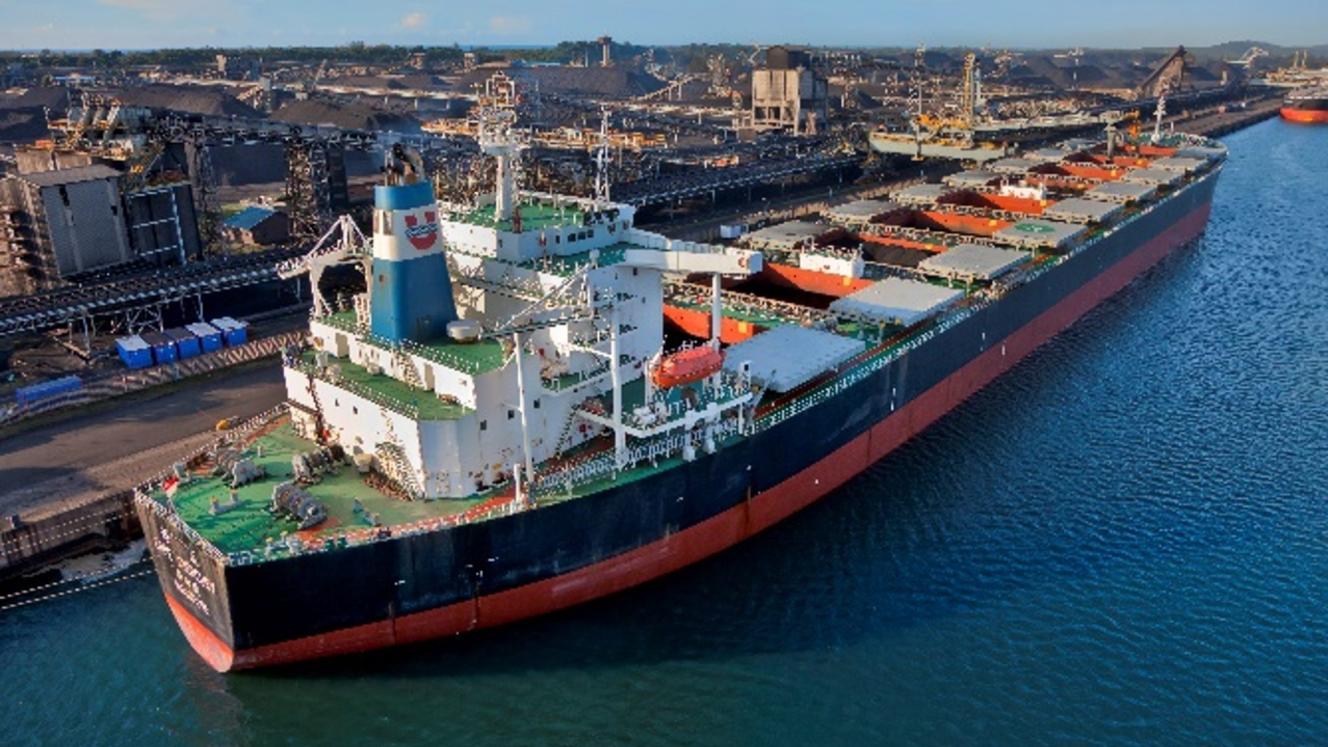
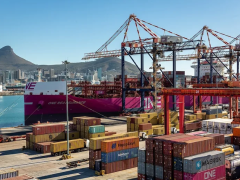
The pressure is evident at South African ports. Durban’s average vessel port call time, which includes time at anchorage and alongside, remained above seven days for a sixth consecutive week, according to the RSA Corridor Pulse Report for October 5-11.
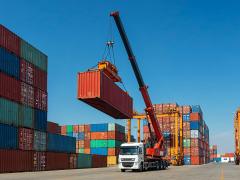
However, delays do not end when a vessel reaches port, McDonald said. Cargo must still be evacuated, transported inland and cleared through the relevant border and regulatory processes.
When any stage slows down, operators face additional waiting time and costs, affecting the price and reliability of moving goods. For cargo owners, this uncertainty makes it harder to plan shipments and delivery schedules.
Fragmented compliance procedures present a further obstacle. Although the South African Revenue Service has introduced electronic processes for customs declarations, McDonald said other agencies continue to rely on manual paperwork and separate systems, resulting in duplication and delays.
“We have a completely fragmented compliance structure within South Africa,” he said. “We need better integration between the agencies involved in cargo clearance.”
He argued that improving freight competitiveness requires a coordinated approach across the logistics chain rather than treating ports, roads and borders as isolated challenges.
Ultimately, the cheapest route is not necessarily the most cost-effective if delays make delivery times unpredictable.
“It doesn't have to be the cheapest solution – it needs to be the most reliable solution,” McDonald said.