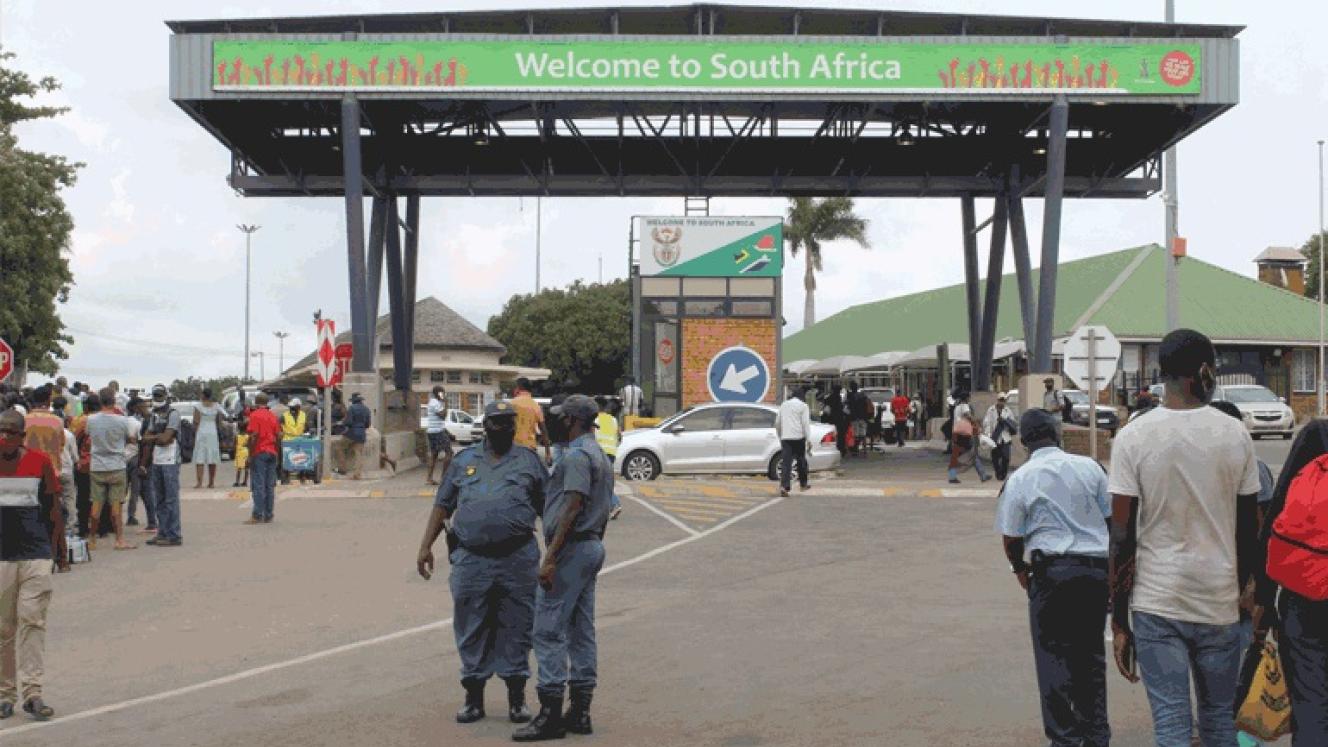
Planned border infrastructure upgrades should incorporate surveillance and data technologies from the outset to support more efficient freight movements and stronger security, according to Milkor vice president Daniel du Plessis.
Milkor is a South African aerospace and defence company that develops and manufactures systems for air, land and maritime applications, including unmanned aerial vehicles used for surveillance and reconnaissance.
Speaking to Freight News about the Border Management Authority’s (BMA) Borderline Infrastructure Improvement Plan for 2026 to 2030, Du Plessis said physical infrastructure improvements needed to be supported by technology.
“It’s not about putting cement and more lanes onto the thing; it’s also including the right level of technology,” he said.
Discussing processing at border posts, Du Plessis said technologies capable of scanning vehicles and supporting more efficient processing could help improve turnaround times. Incident management systems could also help authorities monitor activity across the border network and coordinate their responses.
Combining information from different sources, known as data fusion, with artificial intelligence (AI) and electronic sensors could help identify irregularities and enable authorities to respond before incidents escalated, he said.
“The BMA is fully aware of this,” Du Plessis said.
For surveillance across wider border areas, unmanned aerial vehicles (UAVs) could play an important role where limited personnel made continuous monitoring difficult.
“The biggest part that it will play eventually will be the unmanned aerial vehicles,” he said, describing them as particularly useful for monitoring large areas that cannot easily be covered by available personnel.
Du Plessis said a similar combination of AI, data fusion and unmanned systems could be applied to maritime surveillance and other logistics infrastructure.
For freight operators, integrating these technologies into border infrastructure could contribute to a more secure operating environment while supporting the efficient movement of goods, he added.