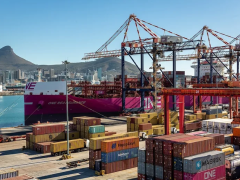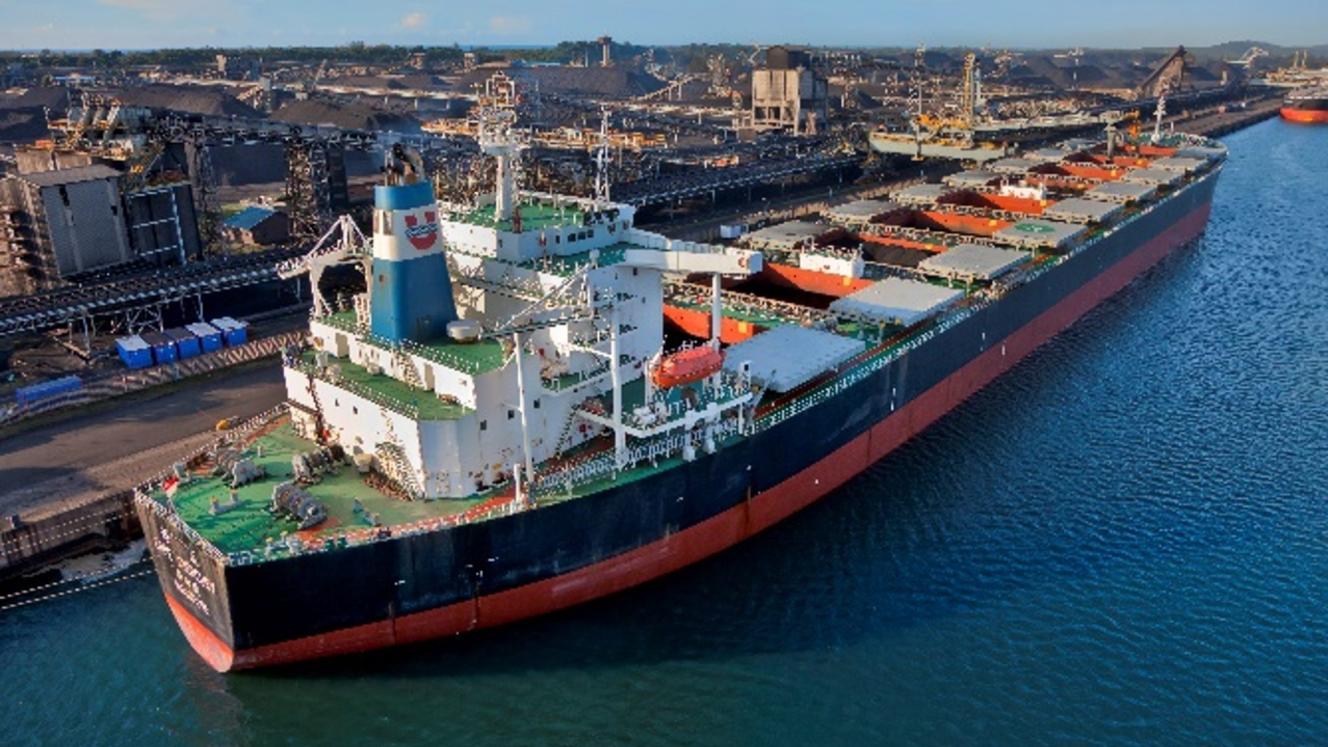
Average vessel waiting time at Richards Bay rose to seven days and 11 hours in the week ending October 11, the highest recorded in 115 weeks, as delays also increased at Saldanha.
The latest RSA Corridor Pulse Report, produced by Crickmay, shows that average anchorage time at Richards Bay increased by one day and 15 hours from the previous week.
At Saldanha, vessels spent an average of six days and 20 hours at anchorage, up two days and one hour week on week. Waiting time quadrupled over four weeks, reaching the second-highest level in the report’s 115-week record.
The longer waits occurred while average time alongside declined at both ports. The report’s analysts suggest this points to pressure on berth availability rather than slower vessel handling although the figures do not establish the cause of the delays.
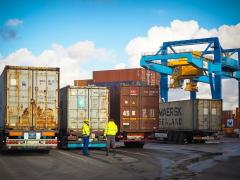
Landside indicators also deteriorated at Richards Bay. Average truck dwell time within the port precinct increased by 48 minutes to four hours and 31 minutes, marking a second consecutive weekly increase.
The report puts precinct dwell time about 31% above its average over the preceding month. This measure covers time within the monitored port area and should not be read as terminal turnaround time.
Across the wider road network, six of the eight featured corridors were classified as under pressure compared with four the previous week. All eight recorded longer transit times alongside higher estimated traffic volumes.
However, the report says several routes, including the N1, N3 and N8, continued to perform at or below their recent transit time norms despite the additional traffic.
The assessment identifies Richards Bay and Saldanha as the main areas of concern, warning that persistent vessel queues could increasingly affect inland transport planning.