Investment in border infrastructure must be matched by better coordination of inspections and cargo processing to reduce delays for road freight operators, according to the Road Freight Association (RFA).
RFA CEO Gavin Kelly told Freight News that congestion and poorly coordinated inspections remained major problems, with even pre-cleared trucks caught in queues alongside cargo still awaiting processing.
“The primary friction point is not legitimate regulatory enforcement, but rather, how it is executed,” Kelly said.
According to Kelly, agencies including SARS Customs, the Border Management Authority (BMA), port health and agricultural inspectors often operate without sufficiently synchronised scanning or pre-clearance processes.
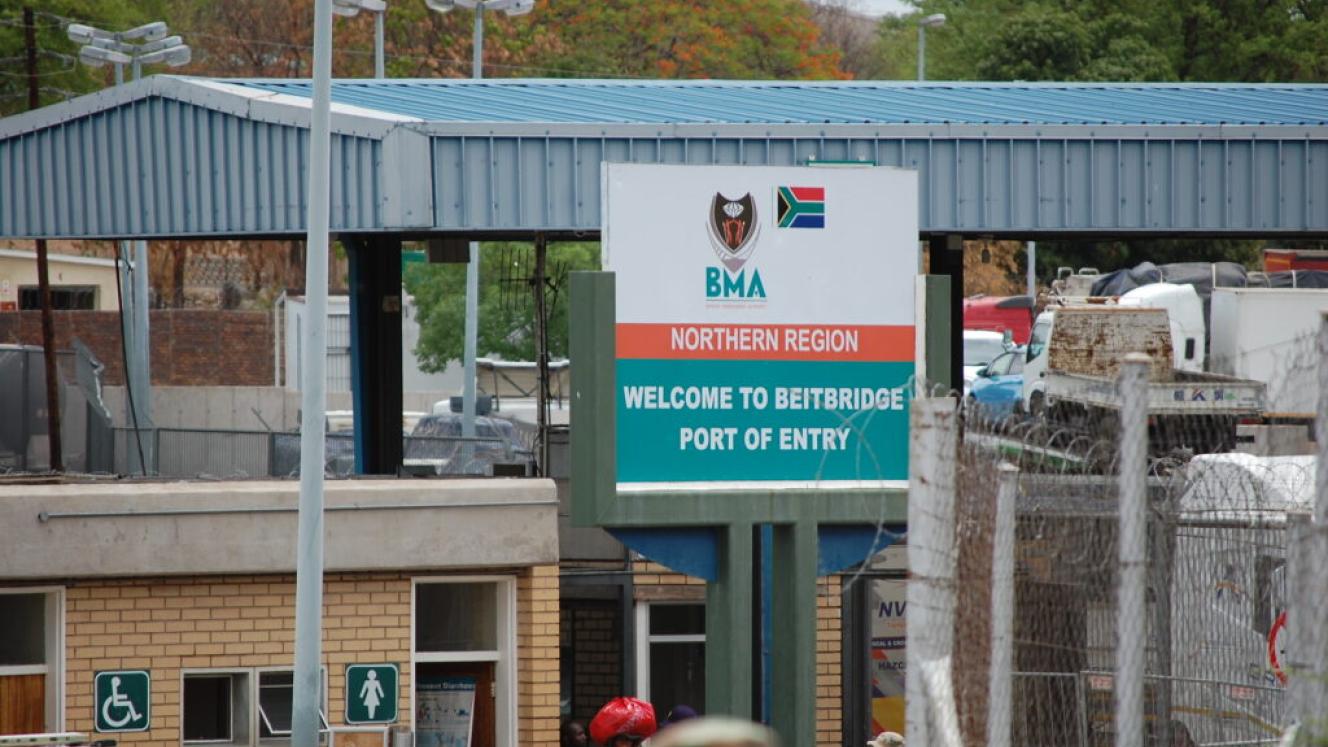
He identified Lebombo and Beitbridge as the two most challenging border posts for road freight operators.
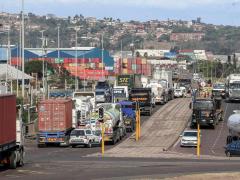
At Lebombo, rising bulk commodity volumes, including chrome and magnetite diverted from rail, are adding pressure to the corridor. Queues on the N4 outside Komatipoort can spill onto surrounding roads, creating safety and security risks for drivers.
“Drivers can wait days to cross at Lebombo,” Kelly said. “Owner drivers and smaller operators face lost trip revenue and additional vehicle wear when trucks are held up.”
Beitbridge continued to experience periodic processing backlogs, prolonged scanning procedures and traffic management challenges on the approach to the South African border, despite infrastructure upgrades on the Zimbabwean side, he said.
The concerns come as government advances two separate infrastructure programmes.
Cabinet recently approved the Borderline Infrastructure Improvement Plan (2026–2030), covering all seven border provinces. It is intended to improve border security, patrol mobility, response times, infrastructure maintenance and coordination.
Separately, government is pursuing an estimated R12.5 billion public-private partnership (PPP) to redevelop six major land ports of entry: Lebombo, Beitbridge, Oshoek, Kopfontein, Maseru Bridge and Ficksburg. That programme focuses on modernising the ports and improving the movement of goods and people.
“The two programmes address different areas,” Kelly said. He explained that the borderline plan focused on areas between formal ports of entry, while the PPP targeted infrastructure and processing at designated crossings.
For freight operators, Kelly said, physical improvements needed to be accompanied by digital pre-clearance, dedicated freight lanes, high-throughput non-intrusive scanners and secure staging facilities away from the border.
The RFA’s proposed targets would see fully pre-cleared trucks move from arrival at the border precinct to exit within two to three hours, while loads requiring physical inspection would take no more than six to eight hours.
The South African Revenue Service (SARS) said it was pursuing a risk-based approach intended to allow compliant traders and low-risk consignments to move with minimal intervention.
“SARS uses a risk-based approach to customs management,” the revenue service told Freight News. It said it was working with other agencies through the Single Window to support smoother movement of goods.
“Investments in scanners, surveillance and other technologies could strengthen risk management and enable more targeted interventions,” SARS said.
Customs modernisation remained focused on digital services and faster movement of legitimate trade, it added.
SARS also highlighted lessons from the Lebombo/KM7 pilot, particularly the need for better information sharing, coordinated planning and closer collaboration between border agencies.
“Our land borders must function as trade facilitators, not trade barriers,” Kelly said.