South Africa’s commercial road freight and logistics sector showed strong investment momentum in July, driven by robust domestic sales of heavy trucks and medium commercial vehicles.
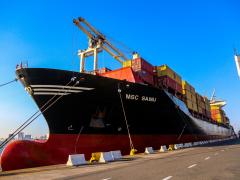
This came despite international trade headwinds that contributed to an 11.6% decline in vehicle export volumes.
Data released by the Automotive Business Council (Naamsa) shows vehicle exports totalled 32 801 units in July 2026, down by 4 313 units from the 37 114 vehicles shipped in July 2025.
According to Naamsa Chief Executive Shinny Gobiyeza, while export markets remain under pressure from global economic conditions, the domestic market continues to provide an important foundation for industry growth.
“The continued growth in domestic vehicle sales, coupled with record levels of new energy vehicle adoption, demonstrates the resilience of South Africa’s automotive industry. Equally significant is the accelerating uptake of electrified vehicles across multiple technologies, confirming that South Africa is steadily progressing towards a more diversified and sustainable mobility future,” she said.
The domestic commercial vehicle market recorded significant gains, reflecting continued demand from freight operators, hauliers and logistics providers.
Heavy truck and bus sales increased by 7% to 2 243 units in July 2026, up from 2 097 units during the same month last year. On a year-to-date basis, the heavy commercial vehicle segment grew by 11.3% to 14 363 units compared with 12 902 units in the corresponding period of 2025.
The medium commercial vehicle segment also delivered strong growth, rising 19.4% to 843 units, an increase of 137 units over the 706 units sold in July 2025. Naamsa said this is the segment’s strongest monthly performance since March 2023.
Domestic sales of light commercial vehicles, including delivery bakkies and minibuses, increased by 10.6% to 13 710 units compared with 12 401 units in July 2025.
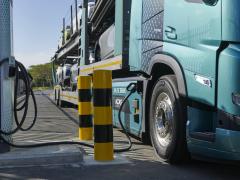
Electrified commercial vehicles across the light and medium segments also continued to gain traction as fleet operators explored lower-carbon alternatives and improved operational efficiencies.
Overall domestic new vehicle sales reached 57 708 units in July, up 11.9% from 51 558 units a year earlier, supported by substantial fuel price reductions that provided operating cost relief to businesses and transport operators.