The worrying trend towards trade protectionism is borne out in the latest World Trade Organisation (WTO) monitoring report on G20 trade measures, released yesterday.
Between mid-October 2017 and mid-May 2018 G20 economies doubled their trade-restrictive measures compared to the previous year, at the same time introducing a higher number of trade-facilitation measures.
A total of 39 new trade-restrictive measures were applied by G20 economies ranging from tariff increases and stricter customs procedures to the imposition of taxes and export duties.
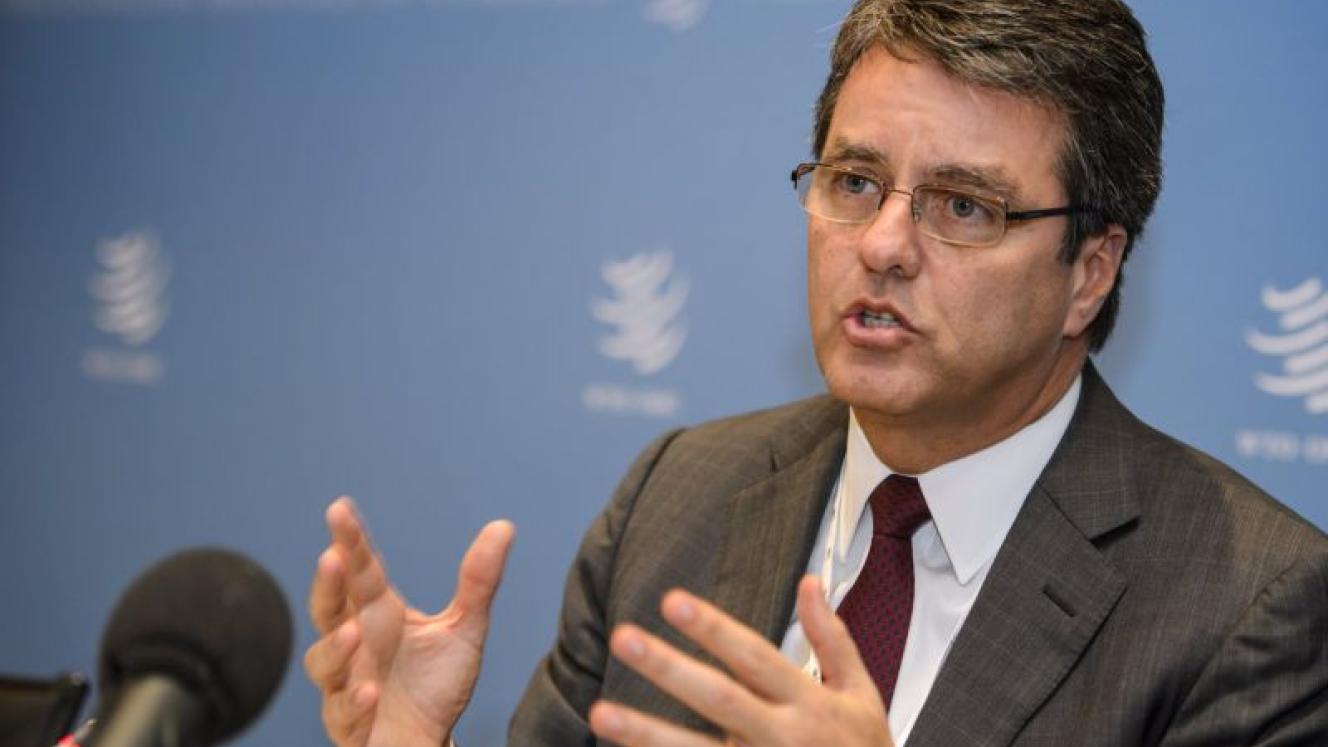
“This equates to an average of almost six restrictive measures per month, which is significantly higher than the three measures per month recorded during the previous period,” WTO director-general Roberto Azevêdo pointed out.
G20 economies however also implemented 47 measures aimed at facilitating trade – almost seven a month. These included the elimination or reduction of tariffs, simplification of import and export customs procedures and the reduction of import taxes.
“The marked increase in new trade restrictive measures among G20 economies should be of real concern to the international community,” said Azevêdo. “Additional trade-restrictive measures have been announced in the weeks since this reporting period and therefore the deterioration in trade relations may be even worse than that recorded here.
“This continued escalation poses a serious threat to growth and recovery in all countries, and we are beginning to see this reflected in some forward-looking indicators.”
The report also showed that there had been a slight increase in the initiation of investigations as well as a significant increase in the terminations of trade remedy actions, with anti-dumping investigations accounting for almost 80% of all trade remedy actions.
The main sectors affected by trade remedy initiations during the period under review were iron and steel, plastics and vehicles.