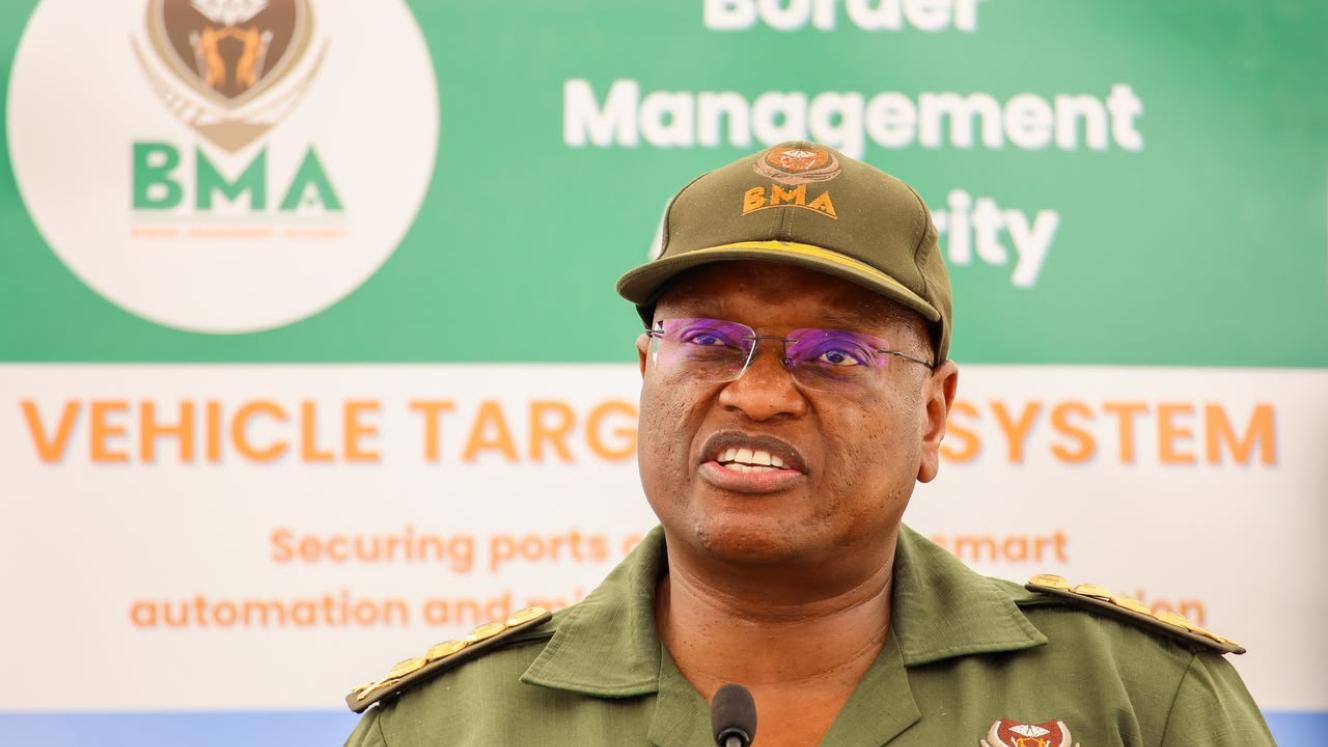
The Border Management Authority (BMA) plans to expand its Vehicle Targeting System (VTS) to eight ports of entry by February 2027, extending checks aimed at detecting stolen vehicles, fraudulent documents and unauthorised cross-border movement of financed vehicles.
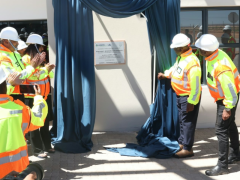
The system had recorded 83 vehicle recoveries with a combined value of R46.6 million in its first six months, BMA Commissioner Michael Masiapato said at its media launch at Lebombo on October 18.
Operational since April 1, the VTS used intelligence and cameras to target vehicles for inspection, moving away from random manual checks, he said.
It is currently deployed at Maseru Bridge, Lebombo, Vioolsdrif, Beitbridge, Ficksburg and Caledonspoort. Two additional ports are planned by February, while Qacha’s Nek, Oshoek and Kosi Bay have been identified for future rollout.
The 83 reported recoveries include seven stolen vehicles, eight cases involving falsified ownership records, eight cloned vehicles and 27 vehicles stopped because of false bank letters. A further 33 financed vehicles were recovered, settled or returned.
“Approximately 1 817 vehicles, which were valued at an estimated R636m, have been stopped this year because their drivers could not produce written consent from the relevant bank or finance house,” Masiapato said.
Compliance with finance-house consent requirements has improved at several crossings, according to the BMA. At Maseru Bridge, the proportion of motorists presenting valid consent letters has increased from 13.2% to 30%, while at Lebombo it rose from 23.4% to 37.9% by September.
Alerts relating to missing consent letters declined from 1 697 in July to 793 in September.
A total of 277 border guards had been trained to use the system and 22 devices deployed, the authority said.
“The system has not cost taxpayers anything,” Masiapato said. “The International Vehicle Identification Desk (IVID) provides the equipment, data, cameras and training under a memorandum of understanding (MoU). We simply retain ownership of the records and authority over decisions to stop vehicles.”
The system is intended to allow financiers’ consent for cross-border travel to be verified before motorists reach the border.