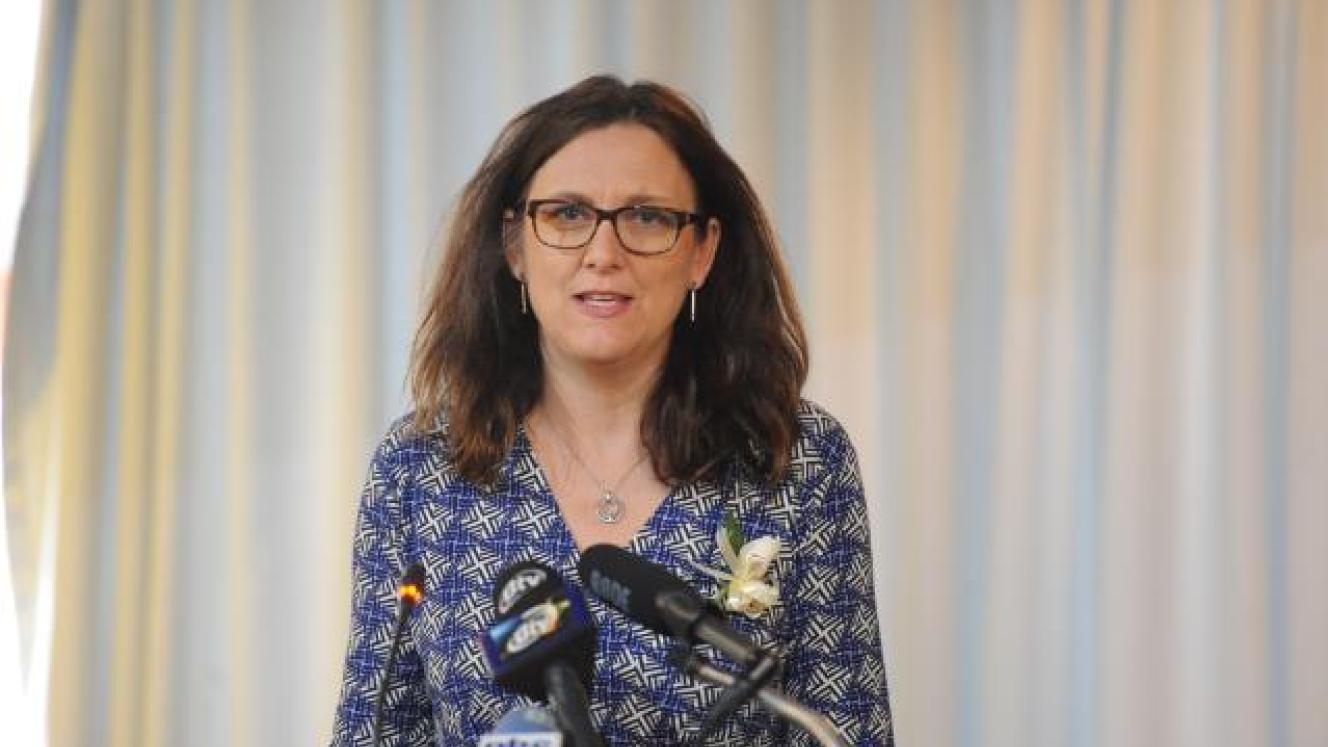
Six countries in the Southern African Development Community (SADC) – including South Africa - have signed an Economic Partnership Agreement (EPA) with the European Union, the first of its kind between the EU and an African region.
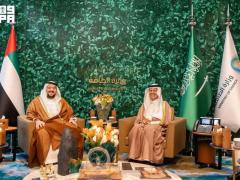
The signing, by the EU commissioner for trade, Cecilia Malmström, took place in Kasane, Botswana on Friday afternoon. “With the Economic Partnership Agreement that we are signing today, we want to base our trade relations with our partners in the southern African region on commonly agreed, stable rules. Trade has helped lift millions of people from poverty throughout the years. Thanks to agreements like this one, we are preparing the ground for that process to continue," said Malmström.
The Economic Partnership Agreement (EPA) with Botswana, Lesotho, Mozambique, Namibia, South Africa and Swaziland – the so-called ‘SADC EPA group’– is a development-oriented free trade agreement and takes into account the different levels of development of each partner.
According to Malmström, it guarantees Botswana, Lesotho, Mozambique, Namibia, and Swaziland duty-free, quota-free access to the European market. South Africa will also benefit from enhanced market access, going beyond the existing bilateral arrangement.
“Furthermore, the agreement increases the flexibility of southern African producers to put together products from components from various countries, without the risk of losing their free access to the EU market,” she said.
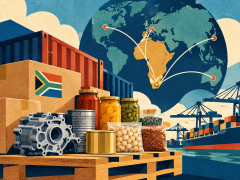
She pointed out that in the process of diversifying their economies and broadening production, imports of certain goods were important for southern African countries – certain industrial parts, seeds and machinery, for instance. “The import duties on many of these so-called intermediary goods will be significantly reduced, making the products more easily accessible to southern African entrepreneurs,” said Malmström.
She added that for the South African market specifically, advantage had been granted to EU producers of traditional quality products with a worldwide reputation – for example wines and food products – that will now get the exclusive right to use their traditional names, or 'geographical indications', in South Africa.
Correspondingly, several South African geographical indications will, from now on, be protected on the EU market, such as different types of South African wine such as Stellenbosch and Paarl, along with Rooibos tea and other products.