Regional rail projects risk remaining on paper unless infrastructure strategies are backed by financing plans and coordinated investment to deliver reliable cross-border freight services.
Projects identified under a regional infrastructure development plan in 2012 lacked investment models, limiting progress towards implementation, said Mihlali Gqada, Freight Logistics Specialist at the Department of Transport.
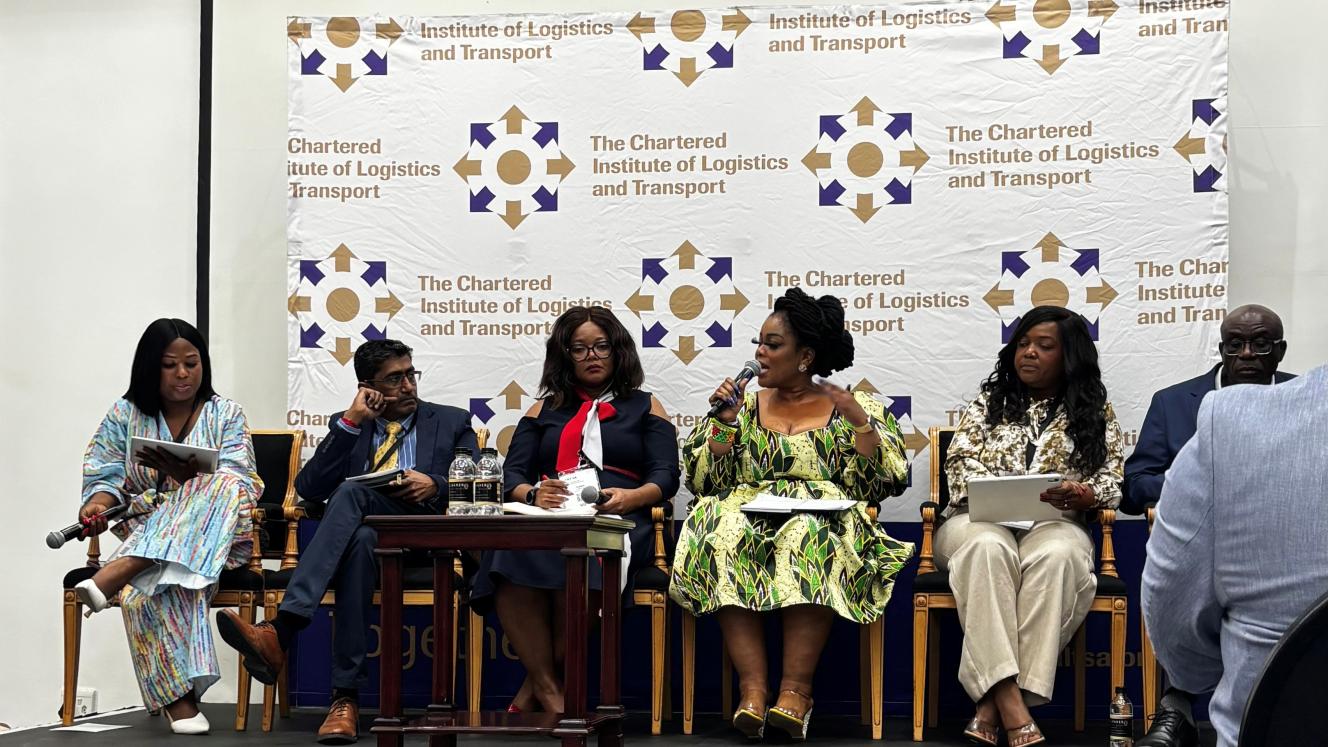
Speaking at the Chartered Institute of Logistics and Transport conference on October 28, she said 31 projects emerged from the plan but funding remains an obstacle to their development.
Cross-border rail movement requires countries to coordinate planning, financing and investment through a multilateral railway route management group, she said.
“There is no one model that fits all,” Gqada said.
Public-private partnerships, concessions, blended finance and rolling stock leasing are among the options available but financing arrangements need to suit each country’s circumstances and the requirements of individual routes, she said.
Investment also needs to extend beyond infrastructure to the locomotives and wagons required to move freight. Rolling stock leasing offers a way to finance that equipment, she added.
Greater transparency in how rail tariffs are determined is needed to help users understand charges, particularly as rail competes with road transport, Gqada said.
Data needed to build investment cases
Preparing viable business cases depends on access to operational information held by private companies and state-owned enterprises, she said.
Concerns that commercially sensitive information could be shared with third parties make some businesses reluctant to provide the data needed for feasibility studies, gap analyses and investment planning, Gqada added.
Opening rail infrastructure to additional operators will not, on its own, guarantee better performance. Private participation also needs to be supported by investment, she said.
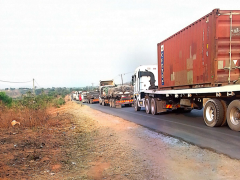
For freight operators, limited rail capacity means road transport continues to carry much of the region’s cargo while deteriorating roads increase vehicle repair costs, said Eric Pillay, Gauteng Chairperson of the SA Freight and Logistics Association.
“As operators, we need predictability and reliability,” he said.
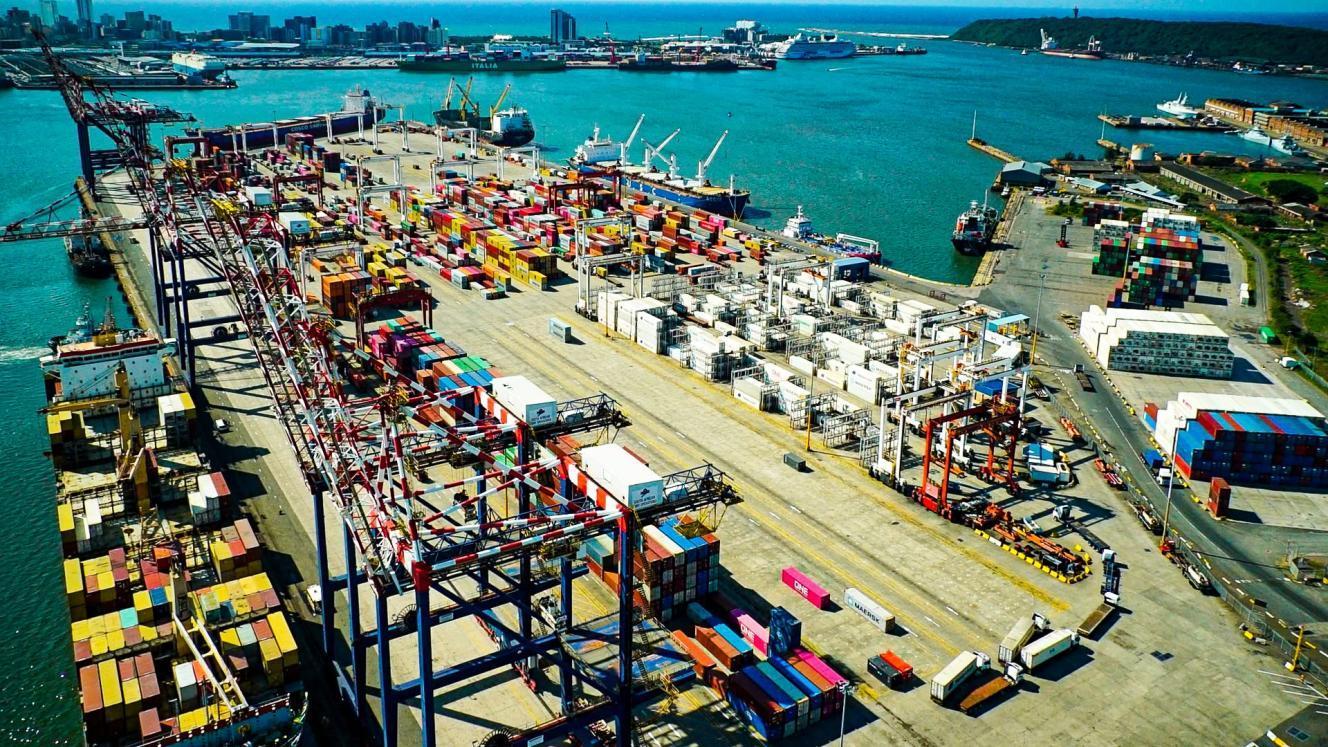
Unexpected delays disrupt planned collections and deliveries while truck standing times at borders and ports, including Durban, add costs that are ultimately passed on to consumers, Pillay said.
More reliable digital clearance processes and improved rail infrastructure are needed to ease pressure on road transport and keep cargo moving, he added.
Namibia pursues regional rail links
A proposed railway between Namibia and Botswana intends to complement the existing Trans-Kalahari road corridor, said Cynthia Haimbodi of the Walvis Bay Corridor Group.
Developing rail links to neighbouring countries is a priority under Namibia’s sixth National Development Plan. Another proposed project will connect Namibia with Zambia and the Democratic Republic of Congo, she said.
However, infrastructure investment needs to be accompanied by improvements in border processes. Delays remain a challenge along Namibia’s corridors, including at the Mamuno border between Namibia and Botswana, Haimbodi said.
Pre-clearance could help reduce waiting times by allowing documents to be processed before trucks arrive but uptake is uneven, she said.
Better coordination between neighbouring countries is also essential: faster processing on one side of a border could be undermined if the other side does not apply similarly efficient procedures, Haimbodi added.