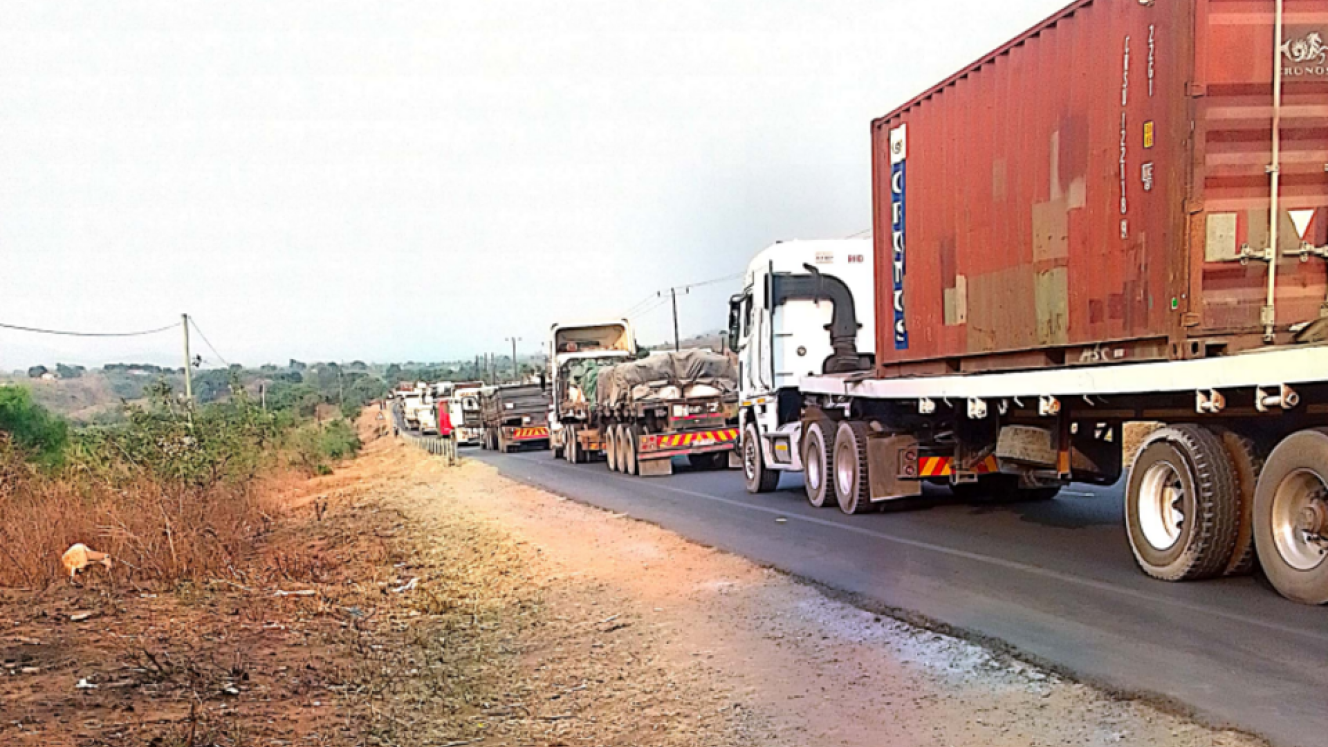
Average truck crossing times at Beitbridge rose 51% to 53 hours in the week ended October 25, reaching their highest level in the RSA Corridor Pulse Report’s monitoring history.
Crossing time, queue length and queue time simultaneously hit record levels in the dataset, according to the report, powered by Crickmay’s Logistics Monitoring System.
The report identified Beitbridge as the biggest risk on the monitored network and advised operators to allow two additional days for crossings.
The deterioration came as pressure intensified at several borders and ports despite relatively stable road conditions. Four of the eight monitored corridors classified as “at risk”, up from two the previous week, included the N1 Cape Town-Beitbridge, N3 Johannesburg-Durban, N4 Pretoria-Maputo and Kuruman-Saldanha corridors.
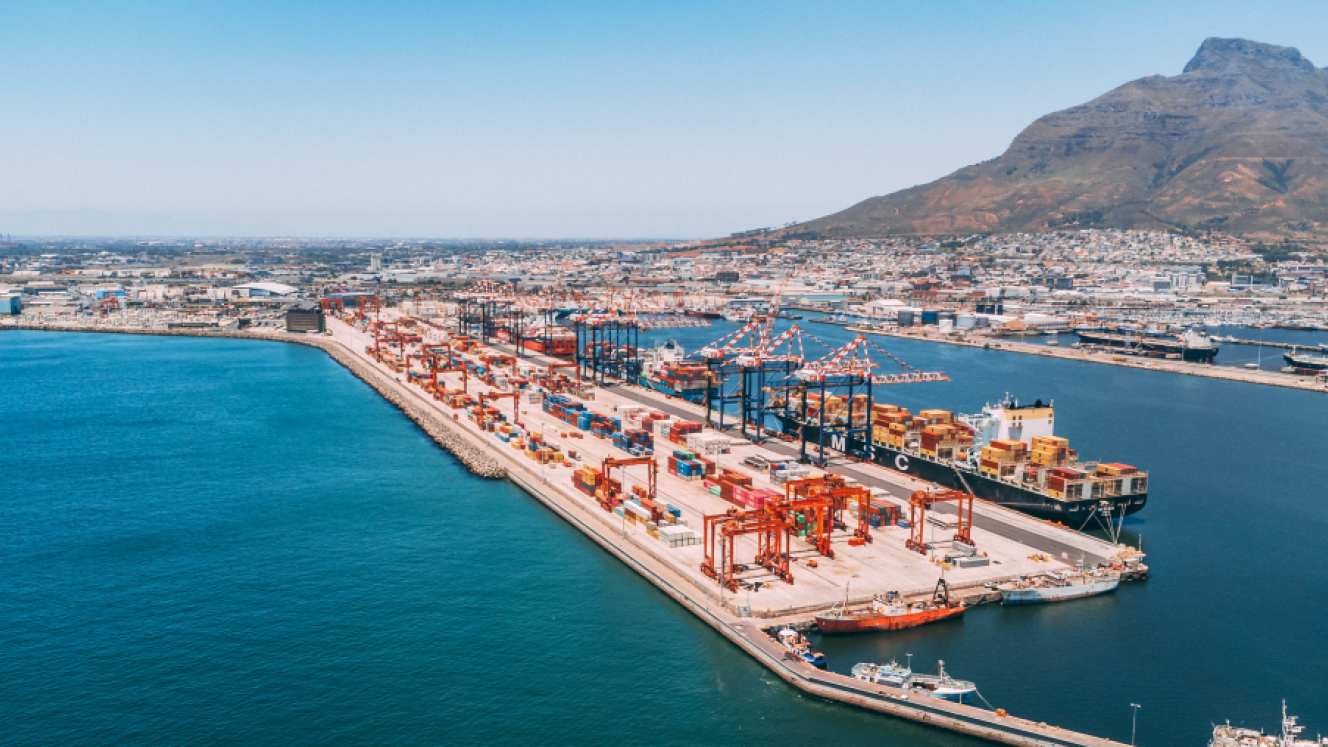
In Durban, average vessel port-call duration reached approximately 9.5 days, the highest in the report’s 117-week dataset, including almost five days at anchorage and about 4.5 days at berth.
The N3 nevertheless recorded its fourth-fastest road week in the dataset, highlighting the contrast between road travel times and delays at the port. Average truck transit time along the corridor fell by about 30 minutes to 13 hours.
Maputo also experienced a sharp deterioration in vessel performance with average port-call duration rising 53% week on week. At Richards Bay, vessel calls remained close to 10 days despite an improvement in truck turnaround time within the port precinct.
There was relief on the Namibia route where crossing time at Vioolsdrif/Noordoewer fell 55%, reversing the previous week’s spike.
The report’s overall assessment was that pressure during the week concentrated at borders, port precincts and vessel calls rather than road segments.