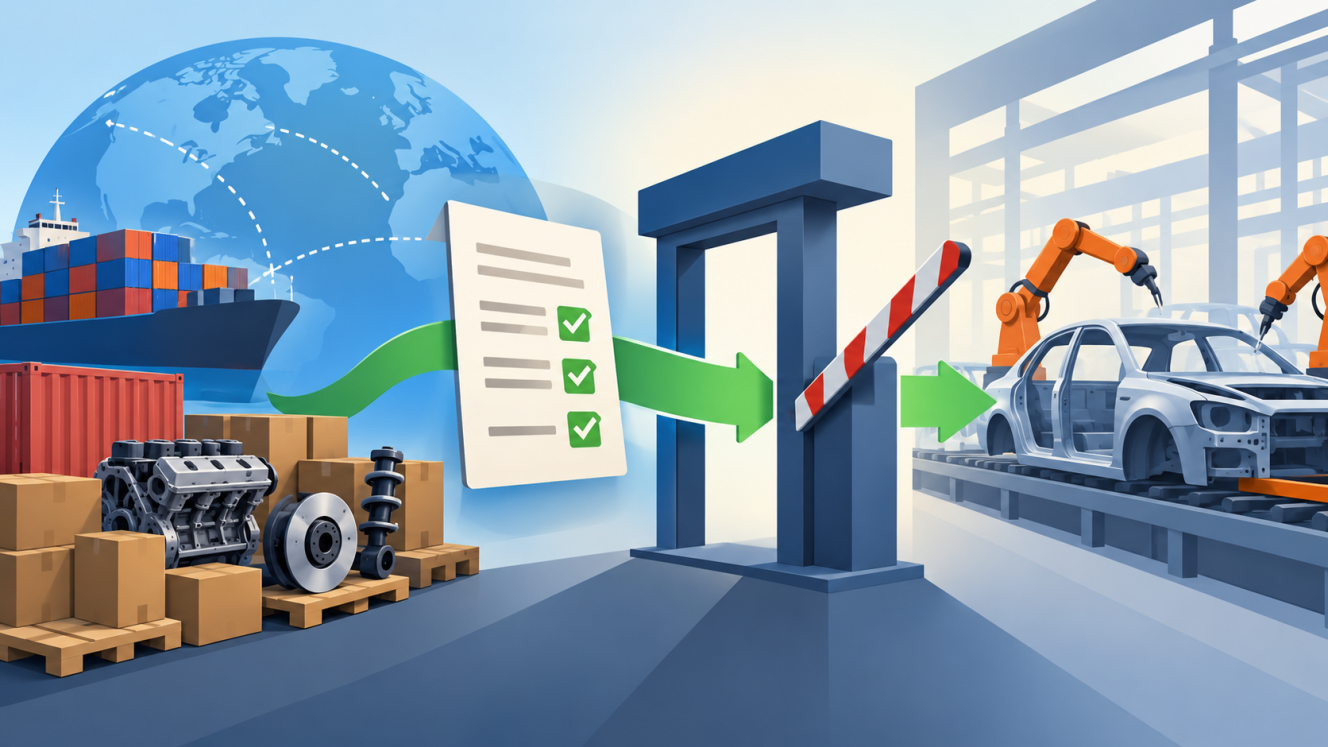
The ordinary import duty on automotive lead-acid batteries has been increased from 5% to 15%, with effect from Friday, 10 April 2015.
According to Carina Janse van Vuuren, senior manager: trade remedies for the International Trade Administration Commission of South Africa (Itac), this increase follows the consideration by Itac of a joint application by Powertech Batteries (Pty) Ltd and First National Battery (Pty) Ltd for an increase in the rate of customs duty on automotive lead-acid batteries of a kind used to start piston engines from 5% to 30%.
“The applicants cited in their application that, in recent years, the imported automotive lead-acid batteries had continued to flow into the Southern African Customs Union (Sacu) market. As a result, the local manufacturers have found it increasingly difficult to compete with the imports as the pricing models adopted by foreign manufacturers are often below local costing. They considered this influx of low priced batteries as a threat to the local battery manufacturers’ performance in relation to sales, market share and employment,” explained Janse van Vuuren.
She added that applicants had stated that the majority of the imports originated from South Korea where these manufacturers enjoyed government-sponsored grants and incentives, and a number of battery importers were sending back scrap batteries to the countries where they had been originally manufactured. “As a result, this raises the cost of domestically recycled lead which makes the local manufacturing uncompetitive and uneconomical,” said Janse van Vuuren.
According to the applicants, it is estimated that importers have grown their share of the South African battery market from about 8.5% in 2010 to just over 20% in 2013. Thus, this has had a significant negative impact on local manufacturers, which has been compounded by the exportation of scrap batteries.
The commission found no justification for an increase in duty to the requested level of 30% as such an increase would have an undue cost-raising impact on industrial users and consumers. “On balance, Itac found that tariff support for the industry at the level of 15% would significantly improve its price-competitive position, enable it to utilise its installed production capacity, and achieve economies of scale with a reduction in the marginal cost of production,” said Janse van Vuuren.
Following the tariff support, Itac will conduct a review of the duty structure to determine its impact on the industry value chain three years from the date of implementation.
Major import duty increase in automotive batteries announced
Comments | 0
© Now Media. This content is protected by copyright and may not be adapted or republished. If you would like to discuss cooperation opportunities, please contact: editor@freightnews.co.za.