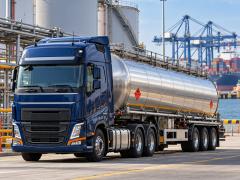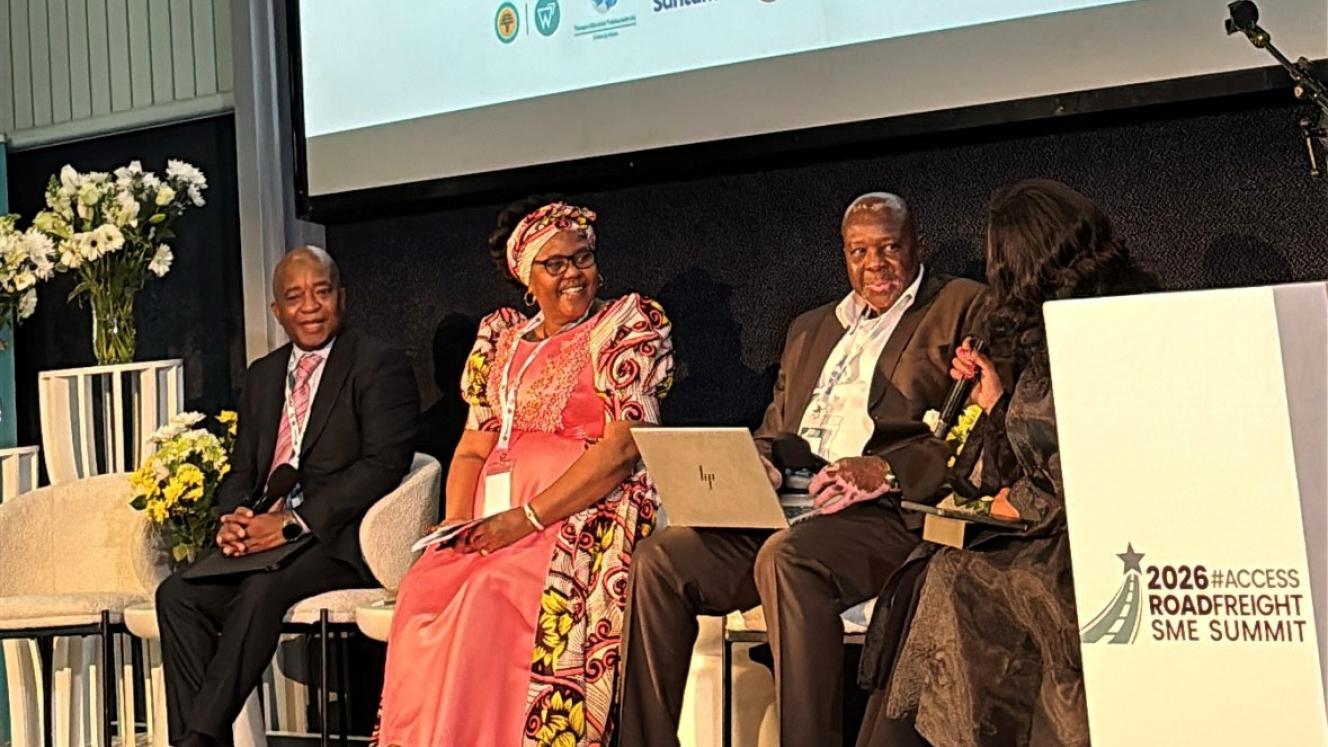
Small road freight operators need consistent access to cargo and longer-term partnerships with larger companies to build sustainable businesses, according to the Cross-Border Road Transport Agency (C-BRTA).
Speaking at the Road Freight SME Summit in Fourways, Johannesburg, on October 21, C-BRTA CEO Lwazi Mboyi said small operators often receive cargo contracts lasting only three to six months. Once the work ends, they are left struggling to cover vehicle repayments, employee costs and other operating expenses.
“Perhaps the push should be for bigger companies that are offering loads and market access for small operators to be consistent and to work on long-term solutions,” Mboyi said.
He identified the Maputo and North-South corridors as key opportunities for small operators to expand into regional markets.
The Maputo corridor has grown as mineral exports previously routed through Richards Bay and Durban shift to the Mozambican port, he said. This has created opportunities for smaller transport businesses to participate in the mining supply chain.
The North-South corridor, which connects South Africa with regional markets including Botswana, Zimbabwe, Zambia and the Democratic Republic of the Congo, also offers opportunities through exports of manufactured goods, agricultural products and fresh produce.
Daily demand for fresh produce across the region could provide more consistent cargo opportunities for smaller operators, including through third-party transport arrangements, Mboyi said.
However, he warned that access to freight alone is insufficient without sustainable volumes over time.
Operators also need to understand corridor-specific costs before entering cross-border contracts, including fuel, tolls, border charges, vehicle maintenance and driver expenses.
These costs need to be incorporated into their financing models, Mboyi said, warning that investing in trucks without reliable access to sufficient loads could undermine business viability.
He called on larger companies to commit to partnerships that provide sustained access to cargo rather than short-term opportunities that leave small operators financially exposed.