Improving poor roads in the Free State could unlock almost R9 billion in additional economic value and support about 15 000 jobs, according to research presented by Infrastructure South Africa Transport Economist Hubert Joynt.
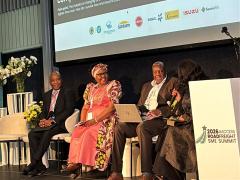
Speaking at a GIBB roundtable, “Can South Africa turn transport infrastructure into economic opportunity?”, Joynt outlined modelling examining how road conditions affect logistics costs and economic activity in the province.
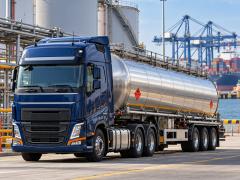
The study compared the existing road network with a scenario where investment brought poor roads into good condition. It examined freight movements across agriculture, manufacturing and mining, recognising that each sector places different demands on the network.
Joynt stressed that the employment figure represents potential opportunities rather than jobs already lost. The economy is underperforming relative to its potential, he explained.
“This is the potential that can be added to the economy of the Free State.”
The research was part of a collaboration involving Infrastructure South Africa and agricultural organisations concerned about deteriorating rural roads.
The analysis covered about 5 000 road links and used two heavy vehicle types to make the modelling manageable. It considered road transport costs, warehousing, inventory carrying costs and management and administration expenses. Rail and aviation were excluded.
According to Joynt, the modelling indicated that improved road conditions could add almost R9 billion in gross value added to the provincial economy alongside the potential employment benefits.
He said quantifying these effects helps demonstrate the broader consequences of infrastructure deterioration beyond simply stating that roads are in poor condition.
“We’re showing the impact on employment on tax income and so forth.”
Joynt also argued that infrastructure planning needs to give greater attention to maintaining existing assets.
While investment discussions often focuses on new capital expenditure, he said the accumulated stock of infrastructure represents a much larger asset base with substantial maintenance requirements.
“Protecting your assets is a much more important facet because it’s a much bigger portion than current new investment.”
His presentation pointed to declining investment in transport capital equipment although transport’s labour and capital productivity performed relatively well compared with construction.
Infrastructure South Africa is also undertaking spatial economic analysis to help identify where infrastructure investment could support growth, he said.
The work, which is still being developed for the Presidency, is examining economic output, investment and capital stock across economic sectors at local level. By assessing the size and growth of these indicators together, the analysis seeks to identify areas of economic strength and potential.
Joynt said partnerships between government and industry are necessary to translate infrastructure research into economic benefits. The Free State road study provides an example of how freight conditions could be linked to wider development outcomes.