High market-entry costs, tariffs and concerns about port efficiency are weighing on efforts to diversify Western Cape export markets, according to findings presented at an industry dialogue last week.
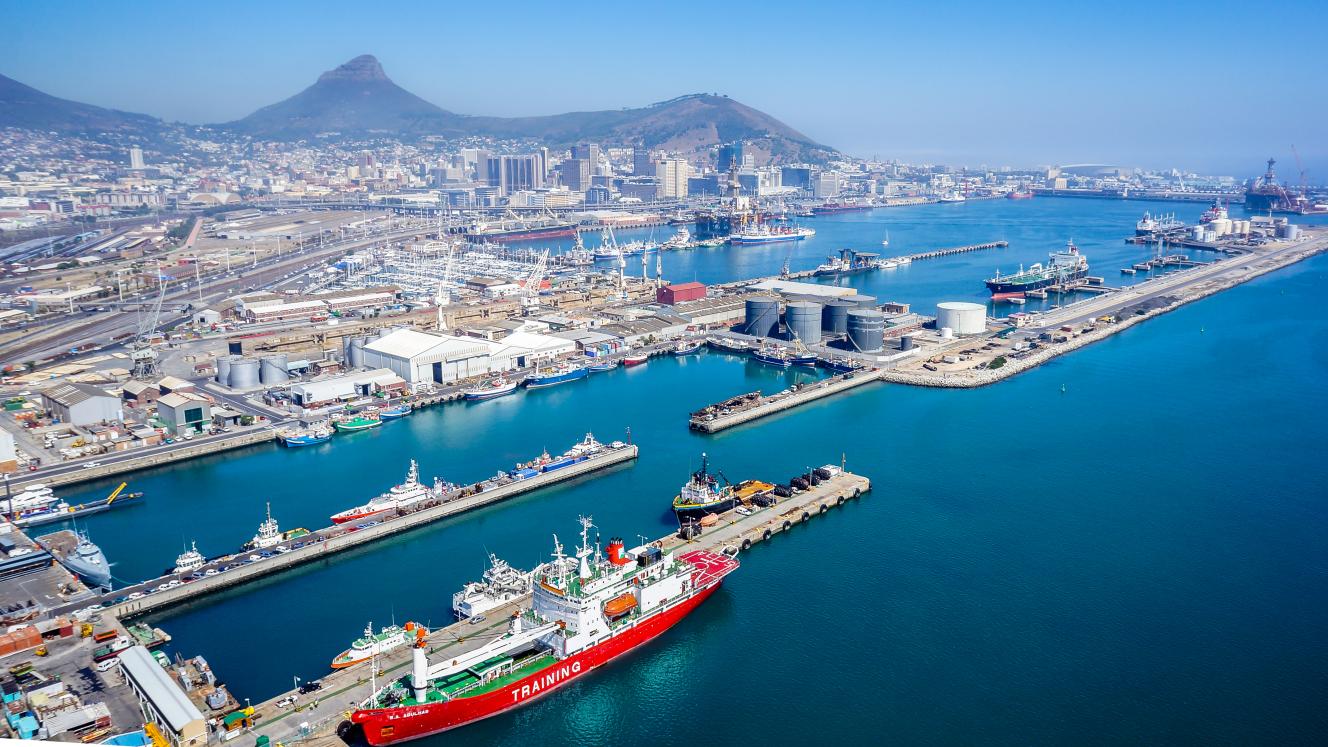
In a survey conducted ahead of the second Biannual Export Industry Dialogue in Cape Town on October 13, 89% of export bodies surveyed identified market-entry costs and tariffs as concerns, while more than 70% raised concerns about port efficiency, the Western Cape Government said.
The dialogue focused on expanding export markets across Africa, Europe, the United Kingdom, Asia and the Middle East, and improving coordination between government and industry.
“We know the challenges. The dialogue was about agreeing what we will do about them,” Premier Alan Winde said.
“While we do not always have a mandate to delete obstacles to growth, we as a government will do everything in our power to clear blockages and to minimise the impact of global disruptions.”
US tariffs remained a prominent topic. According to the provincial government, the Western Cape accounted for more than half of South Africa’s agricultural and agri-processing goods exports to the US in 2025. Other sectors with exposure to the market include seafood, yachts and vessels, jewellery, beauty products and vehicle engine components.
The provincial government said European markets had helped fill the gap left by US tariffs. However, growing demand for lower-carbon goods could present further challenges for exporters developing these trade relationships.
Winde argued that investment in renewable energy could help local producers meet those requirements and improve their competitiveness through more reliable and cleaner electricity supplies.
The discussions form part of the Western Cape Export Strategy 2035, which identifies improved logistics infrastructure and market diversification as priorities for export growth. Its targets include creating more than 200 000 jobs through increased exports and adding 1 000 active exporters by 2035.