A Copperbelt road freight issue that was seemingly resolved in December has reemerged, causing tempers to flare once again and posing significant risk to transporters, their assets, cargo and cross-border drivers.
According to the Transit Assistance Bureau (Transist), mandatory scanning of trucks was quietly re-introduced on Wednesday, January 21.
When the US$100-per-scan requirement was first introduced in December, it “led to strong opposition from drivers citing exorbitant costs and severe congestion,” says Transist chief executive, Mike Fitzmaurice.
As a result, the measure was suspended by the governor of Haut Katanga province in the Democratic Republic of the Congo (DRC).
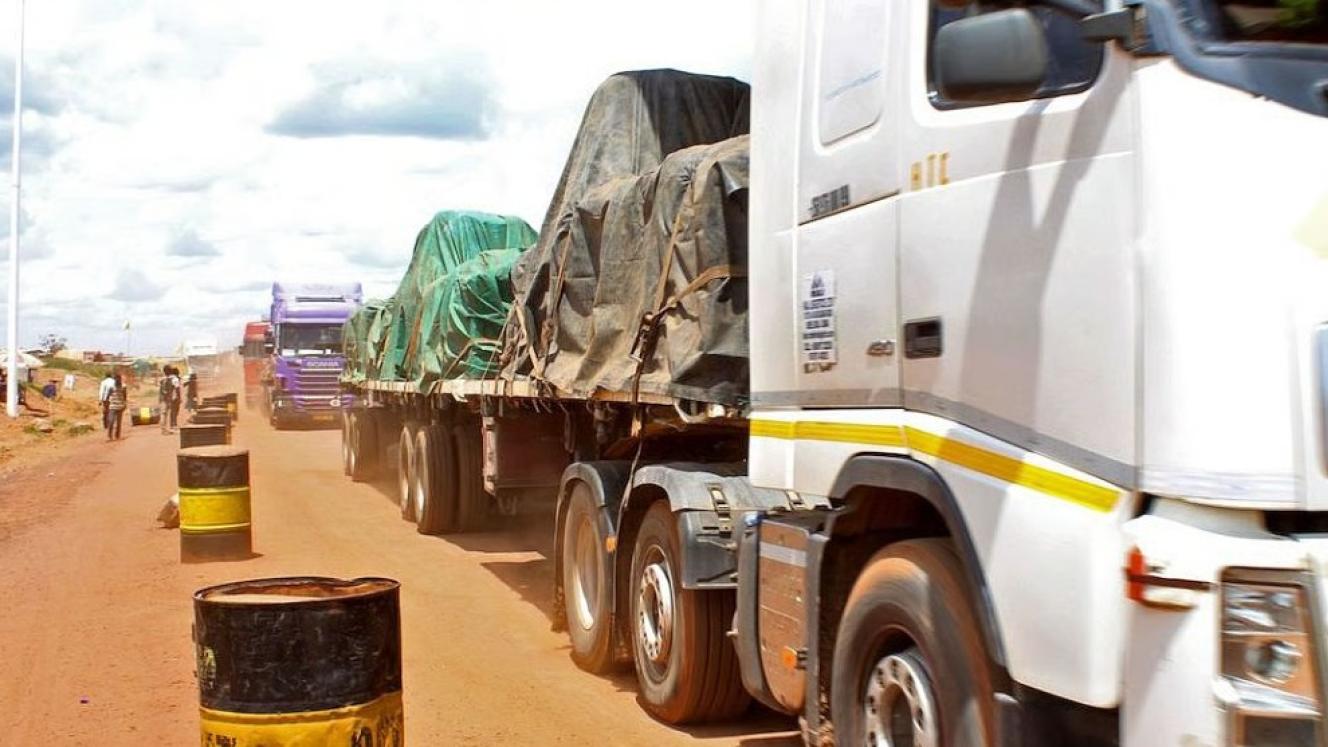
But in the latest development, drivers are facing the same non-tariff barrier (NTB) at the Kanyaka Truck Park in Lubumbashi, a central location on the route serving copper mines as far north-west as Kolwezi.
The Bureau has posted on its WhatsApp channel for members that “only two trucks complied – a Zimbabwean fuel tanker and a Tanzanian truck”.
As was the case in December, resistance to the NTB was immediate and intense.
“Hundreds of other drivers stood firm, refusing to pass through, again calling the $100 fee unfair and the process a major cause of congestion,” Transist says.
Of serious concern to trade is the violent opposition that was sparked by yesterday’s development.
“The two trucks that did go through required a police escort, as other drivers reportedly threatened to stone them for breaking the united protest,” Fitzmaurice says.
“Drivers point to neighbouring countries like Zambia and Botswana, where scanners are used only on selected trucks and no extra fees are charged beyond standard authority taxes.”
Yesterday morning at 08:23, the situation was reported to be deadlocked, affecting a core supply chain line serving the DRC’s copper and cobalt mining interests.