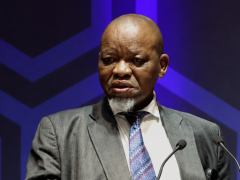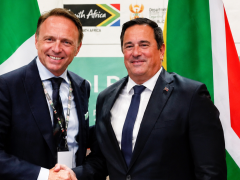
The chairperson of the Southern African Development Community’s (SADC) Standing Committee of Senior Officials, Ambassador Tebogo Seokolo, has urged delegates to face the ‘uncomfortable’ realities hindering regional integration.
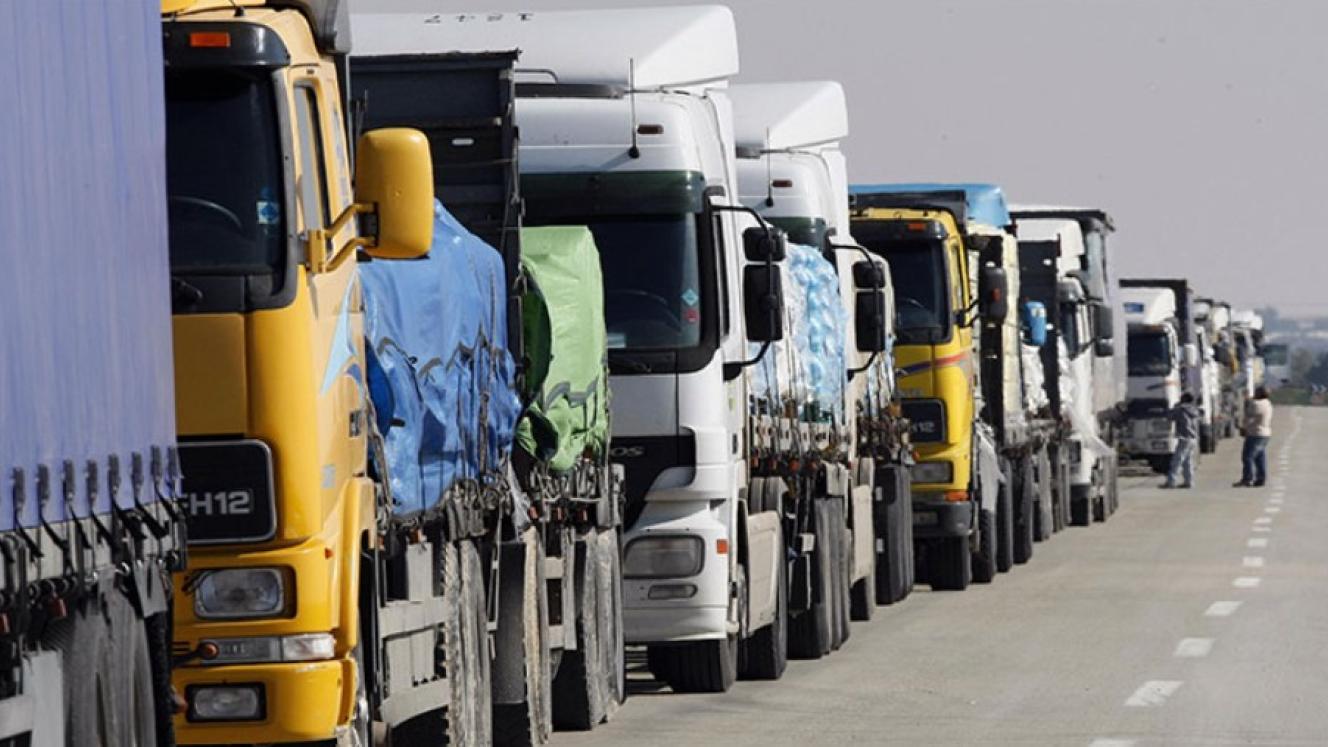
He highlighted persistently low intra-regional trade, limited industrialisation and major bottlenecks in cross-border logistics.
Opening the committee's meeting in Pretoria on Saturday, following a successful two-day session on the Mid-Term Review of the Regional Indicative Strategic Development Plan (RISDP) 2020–2030 and the SADC Regional Parliament, Seokolo described the global and regional environment as “dynamic, uncertain and dangerous”.
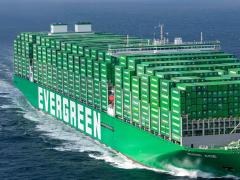
He pointed to geopolitical tensions, economic volatility, climate-induced shocks and global supply chain disruptions as direct threats to developing regions like southern Africa.
Seokolo acknowledged momentum from continental initiatives such as the Second Decade of Agenda 2063 and the African Continental Free Trade Area but stressed that citizens expected the SADC to deliver tangible gains in livelihoods, employment, entrepreneurship, food security, energy access and resilience.
“Our responsibility as senior officials is therefore clear: to ensure that the machinery of regional cooperation functions efficiently, responsibly and with measurable results,” he said.
The senior officials serve as the link between leaders' strategic direction and on-the-ground implementation.
The meeting covered finances, the Resource Mobilisation Framework, operationalisation of the SADC Regional Development Fund, project management, and a review of council and summit decisions on food and nutrition security, disaster risk management and health and pandemics.
Seokolo highlighted the RISDP Mid-Term Review discussions, noting agreement on developing "high-impact, cross-cutting flagship priorities” to unlock growth, build climate resilience, accelerate industrialisation and improve infrastructure connectivity. A technical workshop is planned for June to formulate these priorities.
Other items included guidelines for Memoranda of Understanding, strengthening SADC communication and visibility, the SADC Regional Framework on Post-Conflict Reconstruction and Development and transitional justice initiatives.
In a direct challenge to members, Seokolo posed questions on the region's trade performance.
"Are we content with 23% intra-regional trade among us, and do we truly believe that this level of exchange reflects the ambition of our regional integration agenda?” he asked.
“With manufacturing contributing only 11% to our GDPs, can we realistically expect to compete with other middle-income regions that are rapidly industrialising?”
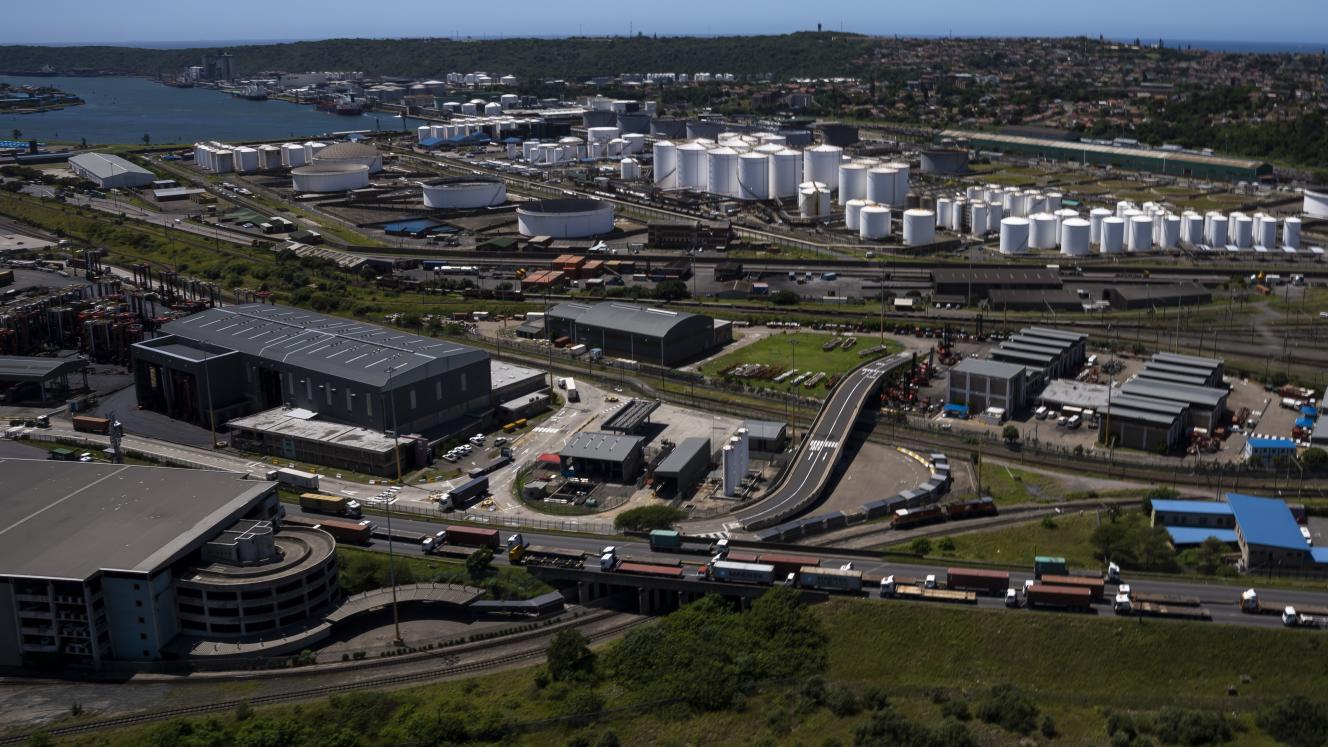
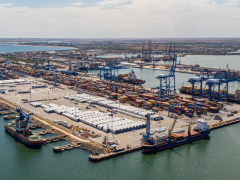
Seokolo also asked whether the region could claim it was enabling efficient trade and economic growth “when it takes approximately 15 days and 22 hours to move goods from the Port of Durban to the Kasumbalesa border in the DRC”.
"With about 58 million citizens facing food insecurity, can we truly claim to be the guardians of our people’s well-being and dignity? And when vast stretches of our regional road network remain unpaved, can we genuinely hope to unlock the connectivity and mobility that regional integration demands? These are very uncomfortable questions, but leadership is about discomfort," Seokolo said.
"It is about confronting realities honestly, making the difficult choices and committing ourselves to the bold actions required to change the trajectory of our region."
Seokolo called for faster, smarter collaboration to ensure decisions yielded real improvements for citizens and for solution-oriented deliberations to inform recommendations to the Council of Ministers.