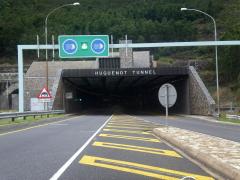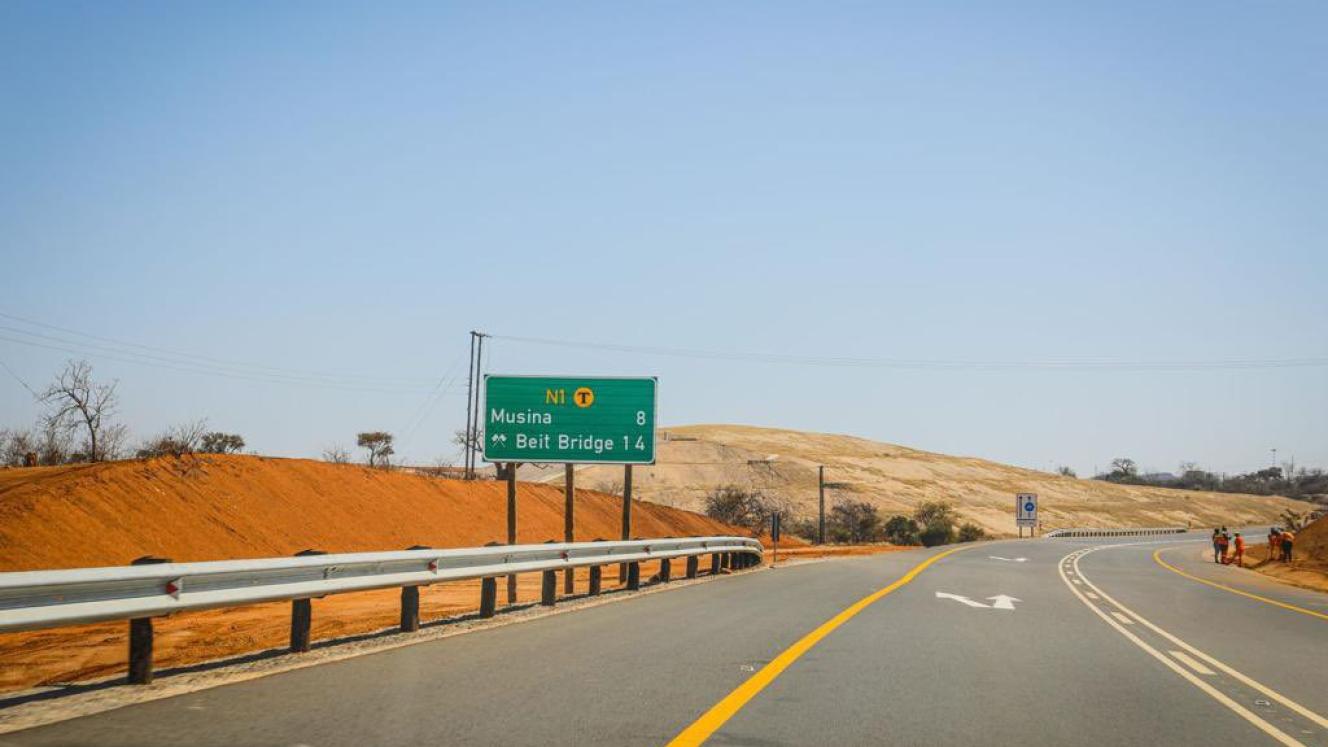
Average freight crossing times at Beitbridge increased by almost eight hours last week, pushing the N1 Cape Town-Beitbridge corridor into the “at risk” category.
The latest Crickmay Corridor Pulse Report shows that heavy motor vehicles took an average of one day and 14 hours – nearly 38 hours – to pass through the border during the week of September 7-13.
This was seven hours and 52 minutes longer than the previous week. Road travel time on the corridor also increased by almost three hours to one day and seven hours.
Crickmay advises operators to allow additional time for northbound loads and dispatch vehicles earlier where possible.
Beitbridge was identified as the principal cause of pressure on the N1 while the road portion of the corridor remains relatively predictable. The border’s crossing time has increased by 69.5% over the past 30 days.
The deterioration contributed to classifying all eight of the major corridors monitored in the report as either “at risk” or under “watch” compared with six in the previous edition.
Pressure shifts along N4
The N4 Pretoria-Maputo corridor was also classified as “at risk” after its overall transit time increased by 15.1% week on week.
However, the source of the delay shifted away from the Lebombo border where crossing time improved by 15.5%.
Trucks took an average of eight hours and five minutes to cross the border, which is an improvement of one hour and 29 minutes. Road travel time, however, increased by three hours and 19 minutes to just over one day.
The report attributes the longer journey to elevated estimated traffic volumes along the road and advises operators to dispatch earlier and allow additional transit time.
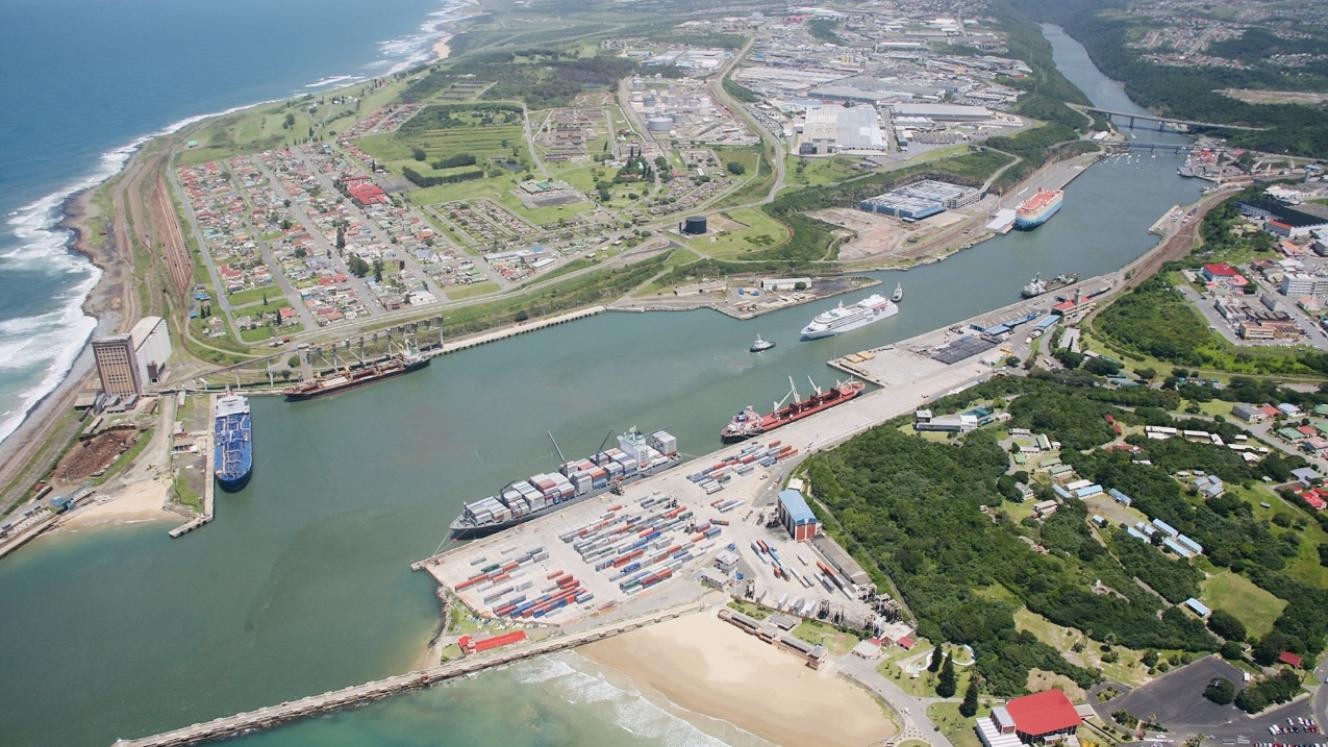
Conditions also remain constrained at Richards Bay where vessels spent an average of three days and 23 hours at anchorage. Waiting time remains above three and a half days for five consecutive weeks, suggesting an ongoing berth-side constraint.
At the Port of Durban, vessel anchorage time improved by more than a day to three days and five hours. However, average berth time increased by almost seven hours to four days and 13 hours, leaving the overall port call at more than seven days.
The Kuruman-Saldanha corridor remains “at risk” with its year-to-date transit time about 46% above the comparable 2025 level. The gap has persisted for 10 consecutive weeks.