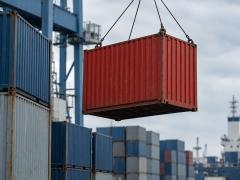
A 25% recovery in freight activity from Transnet’s lowest point represents a recovery of lost ground rather than growth, according to Standard Bank political economist Simon Freemantle.
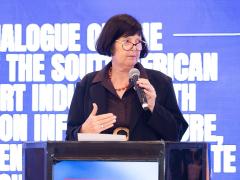
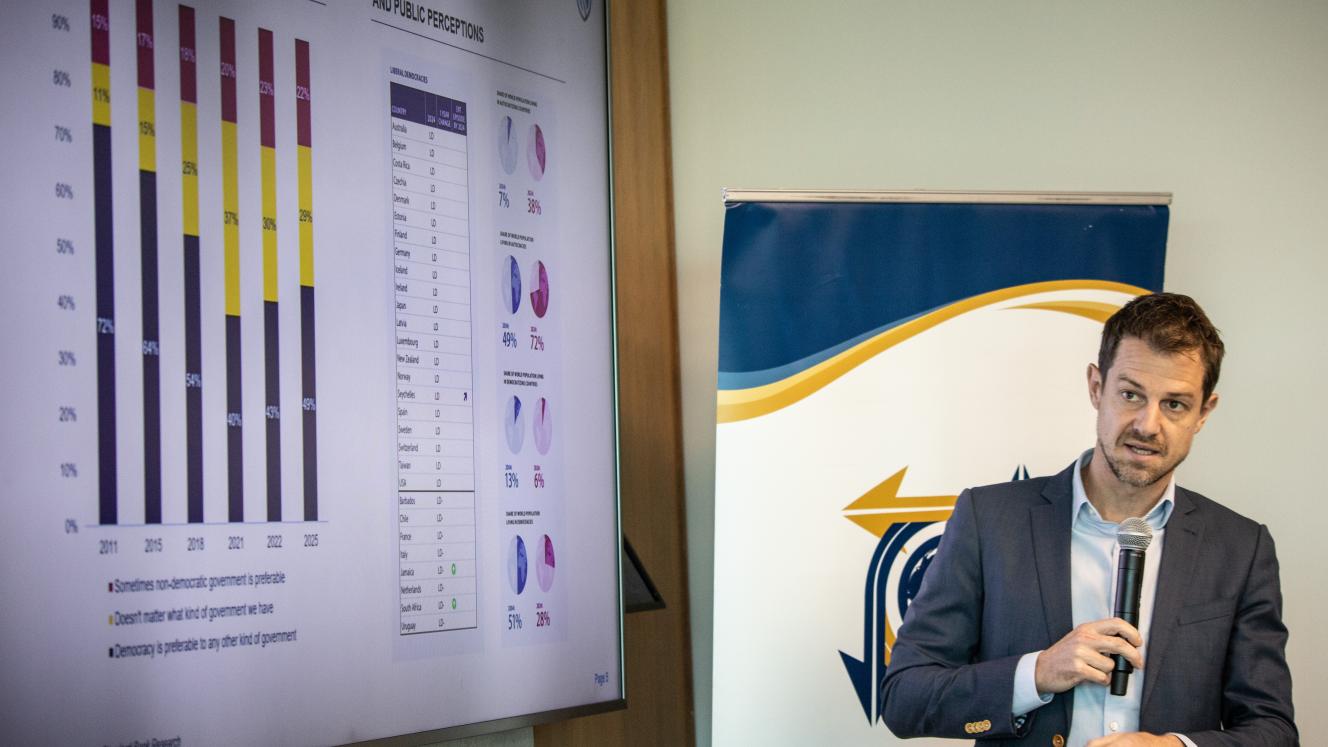
Addressing Exporters Western Cape (EWC) in Cape Town this week, Freemantle said freight activity had risen since Transnet hit the trough some three years ago but remained well below historical levels.
“While we have seen improvement and activity is up, it is still 25% below where Transnet was 10 years ago. So we haven't gotten back to where we were and we're still not in growth phase,” he said. “We’re in a recovering what we lost phase. That’s different to growth.”
While logistics reforms were progressing, Freemantle cautioned against confusing the restoration of basic services with the additional improvements needed to expand the economy. “To get the lights on and the trains running gets you back to steady state. Then you need to see additional improvements to get growth.”
But he said he was far more positive than ever before. The partnership between government and business was in its strongest state since the start of the democratic era, creating space to advance structural reforms. Previous hostility towards private sector involvement, coupled with business concerns over corruption and trust, had constrained cooperation. The current partnership marked a significant change.
He was particularly positive about the Government of National Unity (GNU). “The fact that it is holding is, in my view, from a political perspective, one of the central positives in the country. It is a tactical alliance with all the incentives in place for key players to hold it together.”
On the downside, Freemantle said municipal infrastructure failures continued to be a constraint on businesses, even as national reforms gained traction. While the Department of Water and Sanitation had turned itself around, with investment plans and private capital involvement, deteriorating local infrastructure continued to undermine supply. Water losses through leaks and dilapidated infrastructure were leaving some Johannesburg factories without water for extended periods, forcing businesses to purchase supplies from tankers.
Despite these challenges, he remained broadly upbeat about South Africa’s structural reform direction and political stability.
He said while the bank had reduced its economic growth forecast for 2026 from 1.8% at the start of the year to 1%, this was done on the back of geopolitical disruption and not domestic issues. He said from a domestic point of view, the country was in a far more positive space than in recent years, with National Treasury doing “a remarkable job”, so much so that rating agencies were starting to upgrade the country again.
“Definitely the picture is starting to improve,” said Freemantle, indicating the bank expected growth to reach around 1.3% next year and approach 2% by 2028.