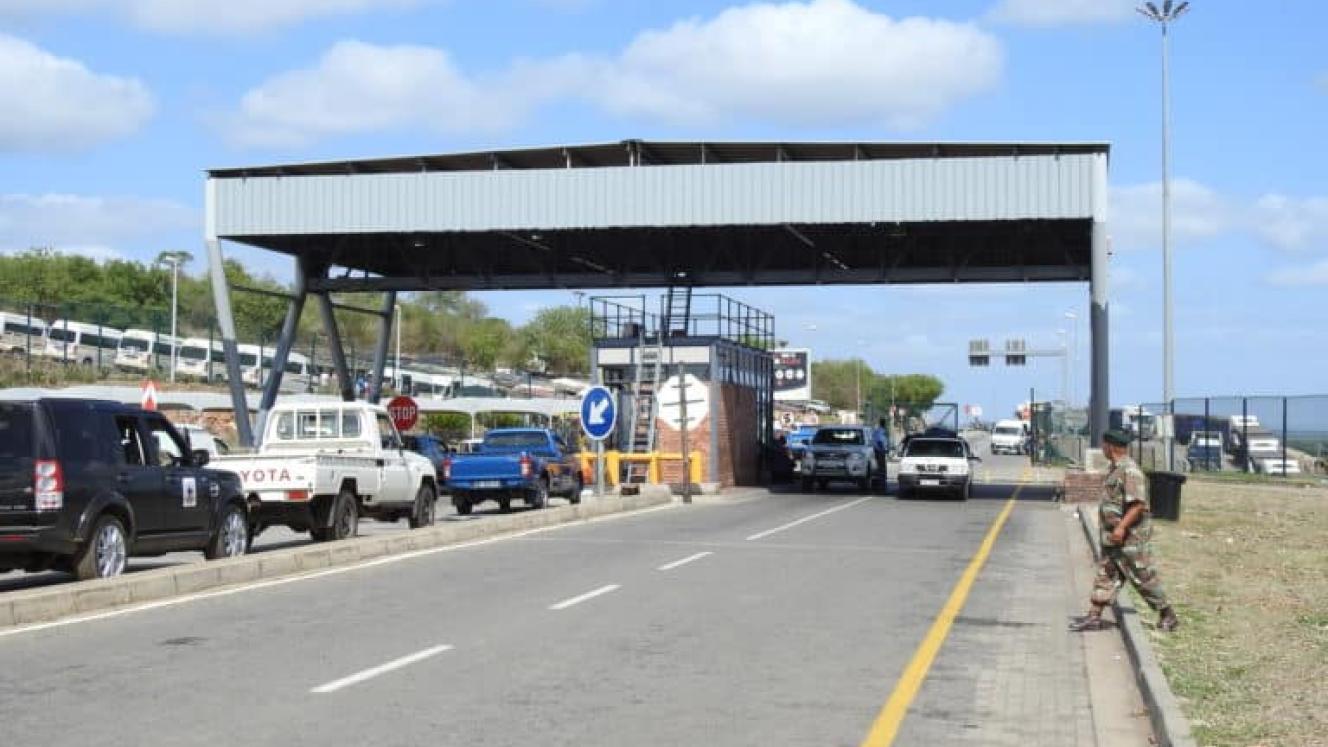
The vehicle targeting system (VTS) of the Border Management Authority (BMA) could duplicate existing checks and add costs or delays for cross-border freight operators, the Road Freight Association (RFA) has warned.
The authority appears to be moving into areas already handled by the South African Police Service, South African Revenue Service Customs and the Department of Home Affairs, RFA CEO Gavin Kelly told Freight News.
“This was a concern that the association raised many years ago when the BMA was first mooted,” Kelly said.
Operational since April 1, the VTS uses intelligence, cameras and vehicle registration data to identify potentially stolen vehicles, cloned number plates, fraudulent documents and unauthorised cross-border movement of financed vehicles.
The system’s media launch took place at Lebombo on October 18. It was already deployed at six crossings with expansion to eight ports of entry planned by February 2027, according to the BMA.
Whether the technology introduced new capabilities or duplicated checks already conducted by other authorities remains a concern, Kelly said.
“Various authorities use intelligent IT systems to monitor vehicular traffic. This is nothing new,” he said.
Given existing checks and links between state agencies, finance houses and insurers, the rationale for the BMA’s involvement needs clarification, Kelly argued.
“Is it now just being handed over to the BMA? If so, why? What are the extra delays and costs to implement this process?”
The system was designed to replace random manual inspections with targeted checks and allow to financiers’ consent to be verified before vehicles reach the border, BMA Commissioner Michael Masiapato said at the launch.
It recorded 83 vehicle recoveries worth R46.6 million in its first six months, according to the authority.
The RFA also questioned the BMA’s broader funding arrangements. Existing taxes, cross-border duties, tariffs and other state revenues should fund its administrative and management responsibilities rather than requiring financial support from the private sector, Kelly argued.
However, equipment, data, cameras and training for the VTS are supplied by the International Vehicle Identification Desk, under a memorandum of understanding, at no cost to taxpayers, Masiapato said at the launch.
The BMA retains ownership of the records and authority over decisions to stop vehicles, he said.