The Beira-Harare fuel corridor is due for a major capacity increase after Mozambican pipeline operator Companhia do Pipeline Moçambique-Zimbabwe (CPMZ) broke ground on an expansion project expected to raise annual capacity by 67% by the end of 2027.
According to a CPMZ statement, the project will increase the pipeline’s annual transport capacity from three million to five million cubic metres.
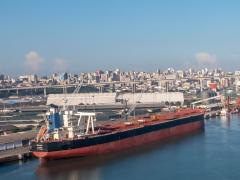
This will add capacity to transport approximately two billion additional litres of fuel a year from the Port of Beira into southern Africa’s interior.
CPMZ said the expansion would support growing demand for diesel, petrol and jet fuel in Mozambique and Zimbabwe, as well as regional markets including Zambia, Malawi, Botswana and the Democratic Republic of the Congo.
“The expansion of the CPMZ pipeline is an important investment in Mozambique’s infrastructure and in the energy security of our region,” Mozambican President Daniel Chapo said.
“By strengthening the connection between the Port of Beira and the southern African hinterland, we are reinforcing Mozambique’s role as a strategic gateway for regional trade while deepening our cooperation with Zimbabwe.”
Zimbabwean President Emmerson Mnangagwa said the strengthened corridor would support Zimbabwe’s energy security while creating additional capacity to serve markets beyond its borders.
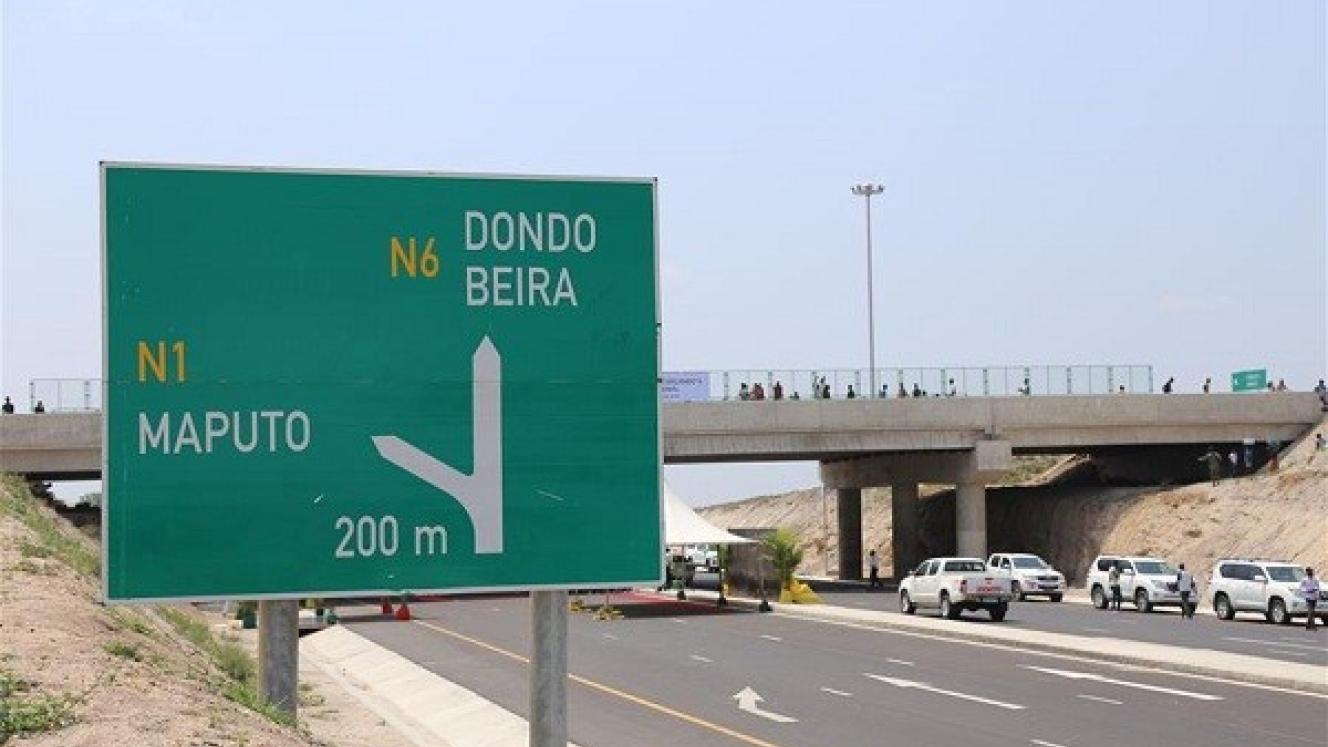
The 294-kilometre pipeline transports refined petroleum products from the Port of Beira to Feruka in Zimbabwe. It forms part of the wider Beira Corridor, which connects the Mozambican port with Zimbabwe and other landlocked southern African economies.
New pumping stations will be constructed at Nhamatanda in Mozambique’s Sofala Province and Messica in Manica Province, near the Zimbabwean border.
According to CPMZ, the project is being synchronised with the planned expansion of the Petrozim pipeline between Feruka and Harare, creating an aligned, higher-capacity fuel route from the coast into the hinterland.
Construction and commissioning would take place without interrupting existing pipeline operations or fuel supplies to markets served by the corridor, CPMZ said.
The expansion follows an earlier project completed in 2024, which increased the pipeline’s annual capacity from two million to three million cubic metres.
Preliminary studies are also assessing the possible replacement of the existing pipeline with a larger-diameter line. CPMZ said this could increase annual capacity to approximately 12 million cubic metres and support projected regional demand through to 2050.
CPMZ said a possible extension of the Harare-Lusaka route into Zambia’s Copperbelt was also being evaluated.