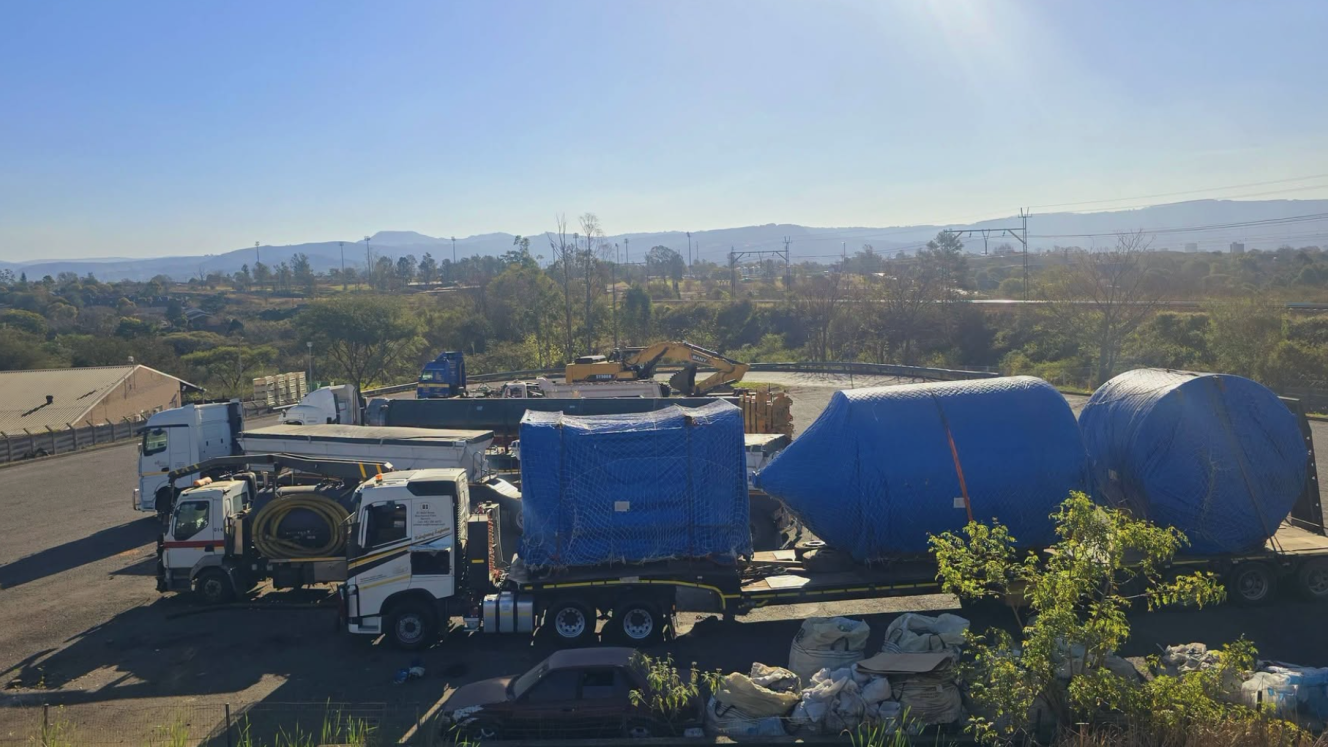
Government’s plans to rebuild South Africa’s rail network are not intended to sideline the road freight sector.
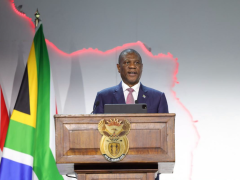
This is according to Transport Minister Barbara Creecy, who spoke at a recent Exporters Western Cape event in Cape Town.
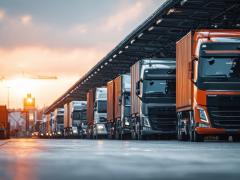
There is no “rail versus road” debate, she said, noting that road transport would always be needed for first-mile and last-mile deliveries, as well as on routes where rail services were unavailable.
Road transport would continue to play a critical role in the country’s freight system, even as government worked to restore rail as the backbone of logistics, she said. “If rail is the backbone, how do you get to rail? You’re going to have to have a truck if you're moving goods.”
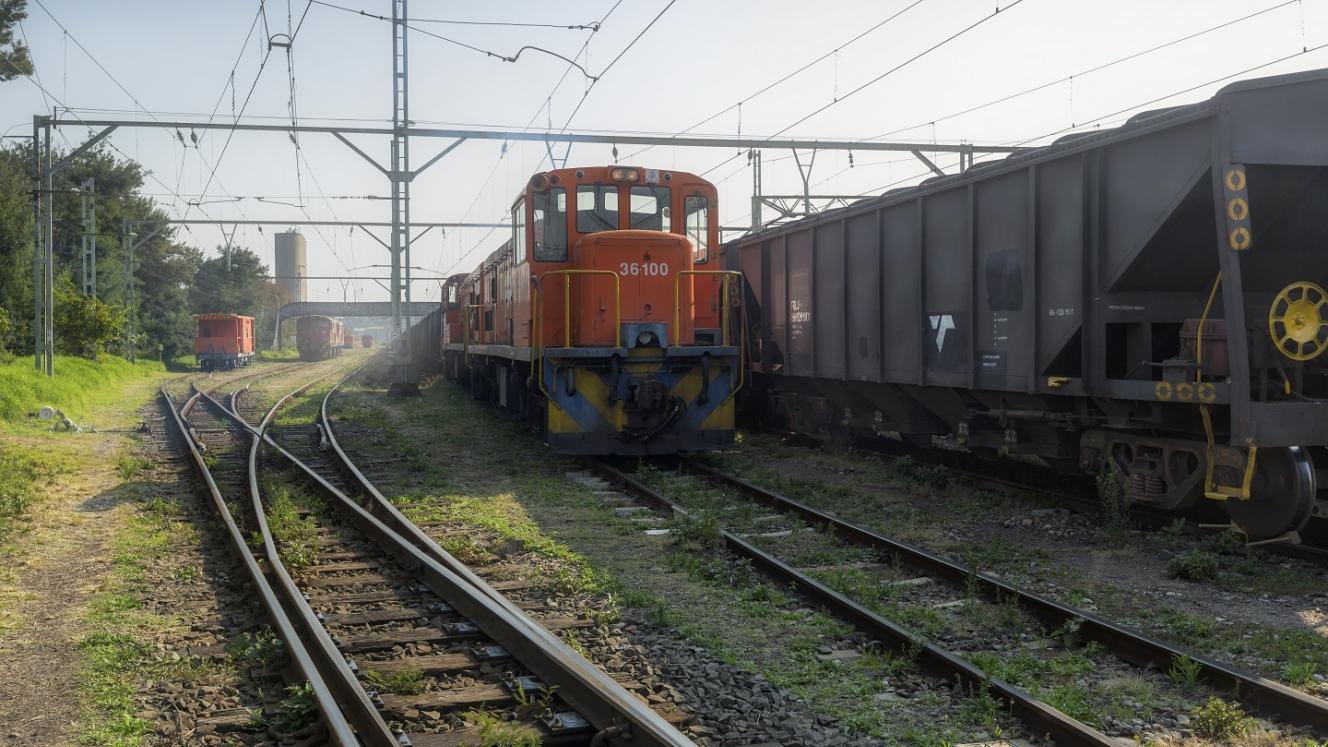
The immediate priority was getting rail working again after years of decline, Creecy said. South Africa’s freight rail volumes have fallen sharply from around 226 million tonnes in 2017 to about 149 million tonnes more recently. Government is targeting volumes of 168 million tonnes this year as it begins implementing reforms aimed at revitalising the sector.
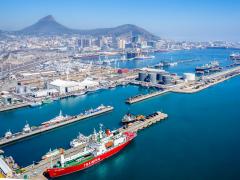
Central to that process is the National Freight Logistics Roadmap, adopted in 2023, and the opening of the rail network to private train operators. According to Creecy, private operators are expected to begin running trains on the network from April next year. “We’ve had private operators of terminals in the port system since the 1970s, but we've never until now had private rail operators.”
The move follows the conclusion of Rail Access Agreements between Transnet Rail Infrastructure Manager (TRIM) and 11 private train operating companies in May. Transnet said at the time that the operators could add 24 million tonnes of freight capacity over the next two years and increase the number of active operators on the national rail network from one to 12, including Transnet Freight Rail.
That additional capacity will be important if government is to achieve its target of increasing freight volumes on the Transnet network to 250 million tonnes.
South Africa’s reforms draw on international experience, including the separation of rail infrastructure management from train operations, a model adopted in a number of countries over the past three decades, Creecy said. A key reform is the separation of rail infrastructure management from freight operations. Transnet has begun establishing the rail network as a separate subsidiary, a move designed to create a level playing field for new entrants.
“The network operator can’t be a referee and a player,” said Creecy, adding that separating management of the rail network from Transnet Freight Rail’s operational activities would allow third-party operators to access the network on a fair and transparent basis.
The establishment of the Transport Economic Regulator is another key element of the reform programme. The regulator will oversee pricing and access conditions across rail, ports and pipelines. Creecy said the process was progressing well and that the necessary regulations were expected to be promulgated shortly to allow for the appointment of a chief executive.
Transnet is expected to publish the second version of its network statement within the next week. The document will set out access charges applicable to operators using the rail network and provide greater certainty for private companies preparing to enter the market.