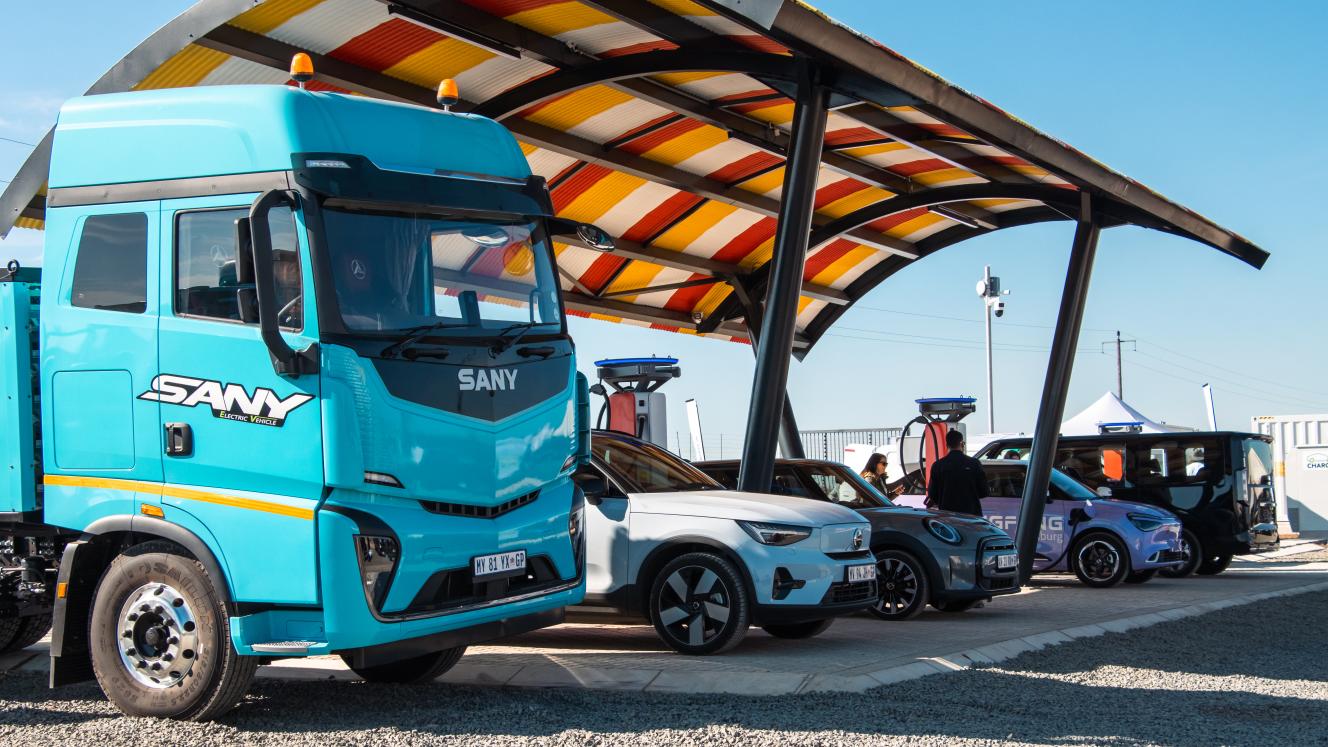
Governments should take a more proactive role in planning and regulating publicly accessible electric vehicle (EV) charging infrastructure to support the growing uptake of electric cars and commercial vehicles, according to a new International Transport Forum (ITF) report.
The report, Building Publicly Accessible Electric Vehicle Charging Infrastructure, says the global EV market is expanding rapidly, with electric vehicles now accounting for more than 20% of new vehicle sales and uptake of medium- and heavy-duty EVs also increasing. While most charging will continue to take place at homes and depots, publicly accessible charging networks will be essential to support long-distance travel and commercial transport operations.
Between 2022 and 2024, the global stock of publicly accessible chargers nearly doubled as governments shifted from largely market-led deployment to more coordinated, policy-driven approaches.
The ITF said charging infrastructure should be integrated into transport, energy and urban planning from the outset to reduce investment risk and avoid delays caused by land acquisition, permitting and electricity grid upgrades. It also recommended reserving land and strengthening grid capacity in anticipation of future demand rather than waiting until networks become constrained.
The report argues that concession models, in which governments grant private operators the right to build and operate charging infrastructure through competitive tenders, offer one of the most effective ways to balance public policy objectives with private investment. Properly designed concessions can improve network coverage, support competition and reduce the risk of dominant market positions developing over time.
The ITF also called for greater interoperability across charging networks, saying drivers should be able to locate, access and pay for charging services regardless of the charge point operator. It recommended transparent pricing, real-time information on charger availability and functionality and common technical standards to improve reliability and encourage wider EV adoption.
According to the report, public-private cooperation, clear policy frameworks and long-term planning will be critical to building charging networks capable of supporting the continued electrification of passenger vehicles and freight transport.