The KwaZulu-Natal Department of Transport has launched an infrastructure rollout, leveraging cutting-edge nanotechnology and artificial intelligence as part of its overall R13.937-billion budget allocation for the 2026/27 financial year.
Building on innovations pioneered during the upgrading of King Misuzulu Road (formerly P732), the department is advancing its digital transformation to optimise its R9.236-billion transport infrastructure budget.
According to KZN Transport MEC Siboniso Duma, the provincial strategy relies heavily on innovative material science to combat fiscal constraints and escalating road maintenance costs.
“The introduction of nanotechnology during the upgrading of King Misuzulu Road (formerly P732) is a clear indication of our determination to leapfrog stages of digital transformation,” Duma said.
“This technology employs nanoparticles in enhancing the water-repellent properties of in-situ materials. This has translated into a R10 million-per-kilometre cost on the King Misuzulu Road project.”
He said the province planned to scale this application across its broader road network.
“Our infrastructure revolution … entails using this nanotechnology on gravel roads in the province. We will save more money and ensure more roads are constructed, upgraded and rehabilitated,” Duma said.
The department’s strategy introduces a Digital Transport Infrastructure System based on using cutting-edge technology to plan, build, maintain and assess road conditions, alongside the use of AI to assess traffic patterns and weather data and predict potential structural issues on road conditions to guide timely interventions.
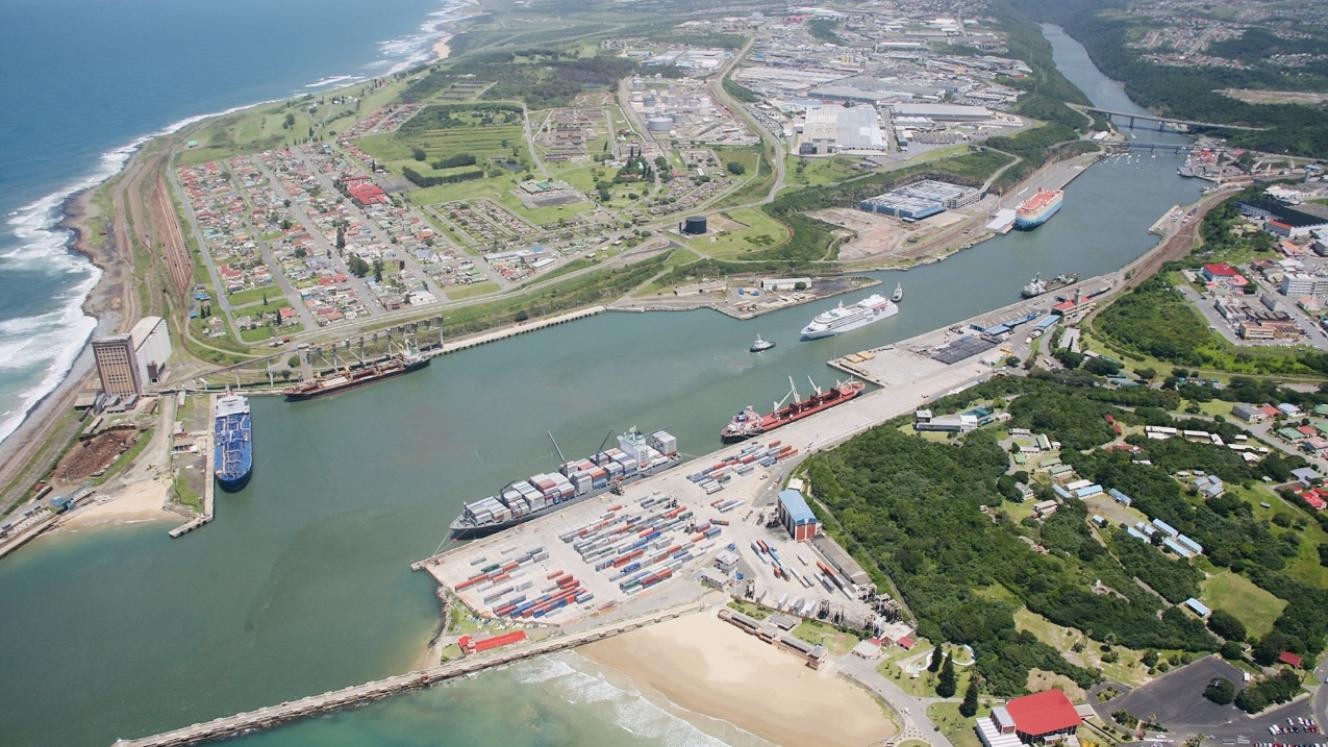
The department oversees more than 34 000 kilometres of road networks connecting Johannesburg, Durban and Richards Bay to sea and air cargo facilities. Recent severe weather patterns have heavily impacted provincial infrastructure spend on roads.
“Budgeting for these unforeseen disasters tends to erode the resources reserved to further expand the road network and refurbish our roads that are on average older than 32 years,” Duma said.
However, despite these challenges, the province reported that its paved network condition improved from 58% "very poor" in 2024/25 to 46% "poor" in 2025/26, driven by targeted rehabilitation and the effective deployment of the Provincial Roads Maintenance Grant.
To keep industrial supply chains efficient, the department has allocated R220.78m in the current financial year toward its Blacktop Patching Programme, targeting 248 916.32 square metres of repair work across four regions.
“Our view is that good roads keep goods moving and costs down. On the other hand, bad roads have a negative impact on road safety,” Duma said.
A primary long-term objective of the department’s ten-point plan is to accelerate the transition of the movement of goods from road to rail to protect corridor infrastructure and minimise heavy vehicle traffic on the N2 and N3 routes.