Private train operators allocated slots on South Africa’s freight rail network are expected to add 24 million tonnes of capacity after concluding Rail Access Agreements with the Transnet Rail Infrastructure Manager (TRIM).
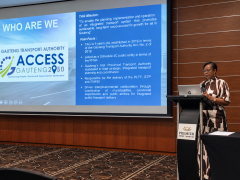
The agreements were announced during Transnet’s rail reform stakeholder engagement session, held in Sandton on May 13, where Transnet and TRIM officials outlined progress on open access, infrastructure readiness and the onboarding of new train operating companies (TOCs).
The TOCs named by TRIM are ARC South Africa, The Railway Corporation, MSC, TLD Marine, MENAR, Sharp Logistics, Barberry, Grindrod, Minrail, IRACEMA, Motheo Logistics and Interlinks. The operators span sectors including coal, manganese, containers, fuel and general freight.
The agreements are expected to increase the number of active operators on the national rail network from one to twelve, including the incumbent operator, Transnet Freight Rail (TFR). The allocations are expected to introduce 24mt of freight capacity, with the potential to scale to 52mt over the next five years.
“This milestone represents more than just slot allocation; it signals the creation of a functional and competitive rail marketplace. We have moved from policy design to practical implementation, enabling real private sector participation and investment in rail,” said TRIM chief executive, Moshe Motlohi.
Engagements are under way to onboard the new operators and assist them with operational readiness, he said. Some operators are targeting the start of operations before the end of 2026 while the remaining operators are expected to become operational during 2027.
TRIM has also introduced an ad hoc slot application process, which allows rail capacity to be allocated outside the annual cycle. The process has already opened up opportunities, including a proposed short-haul service between Cato Ridge and Durban, aimed at reducing road congestion in the port precinct. The service is targeted to start operations in May 2026.
Priority corridors
TRIM has divided the network into priority corridors to support the next phase of rail reform. An “A network” had been identified, Motlohi said, with routes linked to the North Corridor, Durban-Gauteng corridor, containers, export minerals and manufacturing referenced as areas being prioritised for infrastructure development and operational improvements.
Predictive maintenance technologies and corridor-specific upgrades are already under way to improve reliability and add capacity, he said, adding that work was under way on the North Corridor, where signalling capability had previously been available, with one project expected to be handed over to operations at the end of May.
Infrastructure and rolling stock
The success of open access would depend on stabilising infrastructure and growing network capacity, said Transnet Group Chief Officer for Strategy and Planning, Andrew Shaw.
“The market demand is there. The minerals are in the ground. What they’re constrained by is the supply chain,” he said.
Transnet has increased infrastructure spending from R13 billion to R24 billion over the past two financial years and is pursuing additional funding to support further network investment, Shaw said.
Access to rolling stock would also be critical to lowering barriers for new operators, said Transnet Chief Business Development Officer, Yolisa Kani. “If you liberalise access to the market, it makes sense that you liberalise access to the tools that carry freight.”