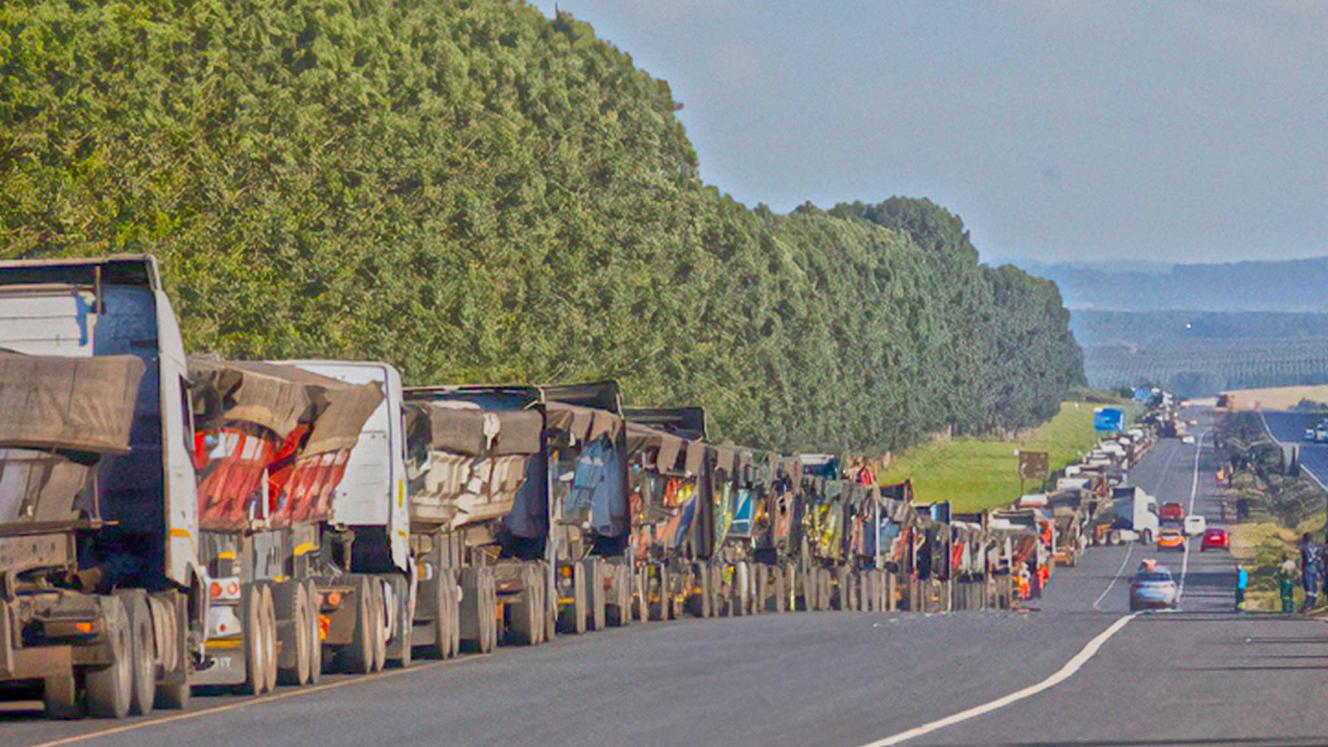
Cross-border delays at four of South Africa's busiest road freight gateways are costing the economy between R15 billion and R16 billion a year, according to research presented at the 44th Southern African Transport Conference (SATC).
The study, conducted by Carla Meyer and Johann van Rensburg of Stellenbosch University, found that congestion at the Lebombo, Beitbridge, Groblersbrug and Vioolsdrift border posts was imposing significant costs on transport operators, exporters and regional supply chains.
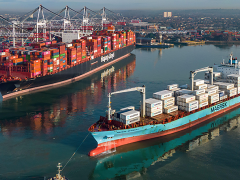
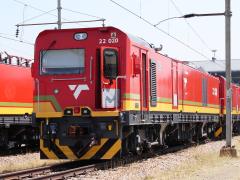
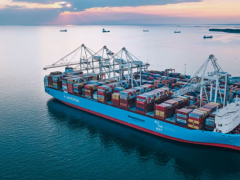
Pressure on the country's border crossings had intensified as freight had shifted from rail to road because of inefficiencies in South Africa's rail and port systems, the researchers said. They noted that road transport now carried the majority of the country's freight and provided a critical export link to neighbouring Southern African Development Community markets.
Trucks lose an estimated 68 000 hours every week waiting to cross the four border posts, with average delays ranging from seven to 70 hours, according to the study. At Beitbridge, delays exceed 57 hours, while trucks spend an average of 24 hours queuing across the four crossings.
A 20-hour delay costs approximately R25 165 for a tautliner, R21 815 for a tipper truck and R22 897 for a refrigerated vehicle, the researchers found. They noted that delays involving temperature-controlled cargo could result in spoiled products, rejected shipments and damaged customer relationships in addition to higher transport costs.
The economic impact extended well beyond transport operators, the researchers said. Long border queues increase fuel consumption, emissions and road congestion while making supply chains less predictable. Exporters are also forced to build additional time and inventory into their operations, reducing the competitiveness of South African products in regional markets.
One of the study's key findings was that border congestion could not be attributed solely to inadequate infrastructure.
Although Beitbridge handles more than 14 500 tonnes of freight a day, it continues to experience severe delays because of inconsistent processing times, fragmented border management, manual documentation processes and poor coordination between neighbouring authorities, according to the researchers. They argued that these inefficiencies effectively functioned as a non-tariff barrier to trade by adding costs without creating value.
The paper recommends introducing pre-clearance systems, biometric verification and real-time information sharing to enable cargo, drivers and documentation to be processed before trucks reach border posts. It also calls for greater coordination between neighbouring countries, harmonised border procedures, aligned operating hours and publicly reported service standards to reduce processing times.
Improving border performance should be treated with the same priority as investment in ports, rail and national roads, the researchers concluded, arguing that reducing delays would release truck capacity, lower transport costs and improve the reliability of regional supply chains.