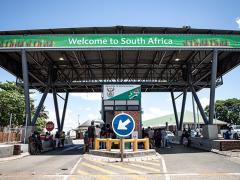
The Border Management Authority (BMA) and the National Consumer Commission (NCC) have begun implementing a joint strategy to strengthen enforcement against illicit imports entering South Africa through official ports of entry.
The move follows a working session held in Pretoria last week to operationalise a Memorandum of Understanding (MoU) signed by the two organisations in May.
The partnership provides for joint enforcement operations and targeted inspections, with particular attention to cross-border e-commerce, courier and postal shipments, as well as fraudulent trade schemes. It also includes information sharing, public awareness campaigns and specialised training to strengthen border enforcement.
The NCC regards the BMA as a key partner in curbing the proliferation of unsafe, illicit and non-compliant products entering the South African market, acting NCC commissioner Hardin Ratshisusu said.
The collaboration would better align border control activities with consumer protection measures while strengthening efforts to prevent illicit goods from entering the country, BMA commissioner Michael Masiapato said.
"With 29 commercial ports among South Africa's 71 ports of entry, it is critical that the BMA continues to enforce its mandates relating to immigration, health, agriculture and biosecurity. Illicit goods, including medication, cigarettes, clothing, selected food products and meat products, must continue to be intercepted and prevented from entering the Republic through this strengthened collaboration."
Closer cooperation between the two organisations would also improve the identification of counterfeit and unsafe products at ports, Masiapato said.
"Officials will work closely with the NCC to analyse product labels, barcodes and other authentication features to determine the legitimacy, safety and quality of goods entering the Republic."
The agreement reflected both organisations' commitment to strengthening regulatory enforcement at South Africa's borders while improving consumer protection, the BMA said.
Illicit trade remains a significant challenge for South Africa's formal freight, retail and manufacturing sectors. According to the Consumer Goods Council of South Africa, it costs the economy more than R100 billion annually, while illicit cigarettes alone account for an estimated R15bn in lost tax revenue each year. SARS customs enforcement data also identifies counterfeit clothing, textiles and footwear among the goods most frequently seized at the country's borders.