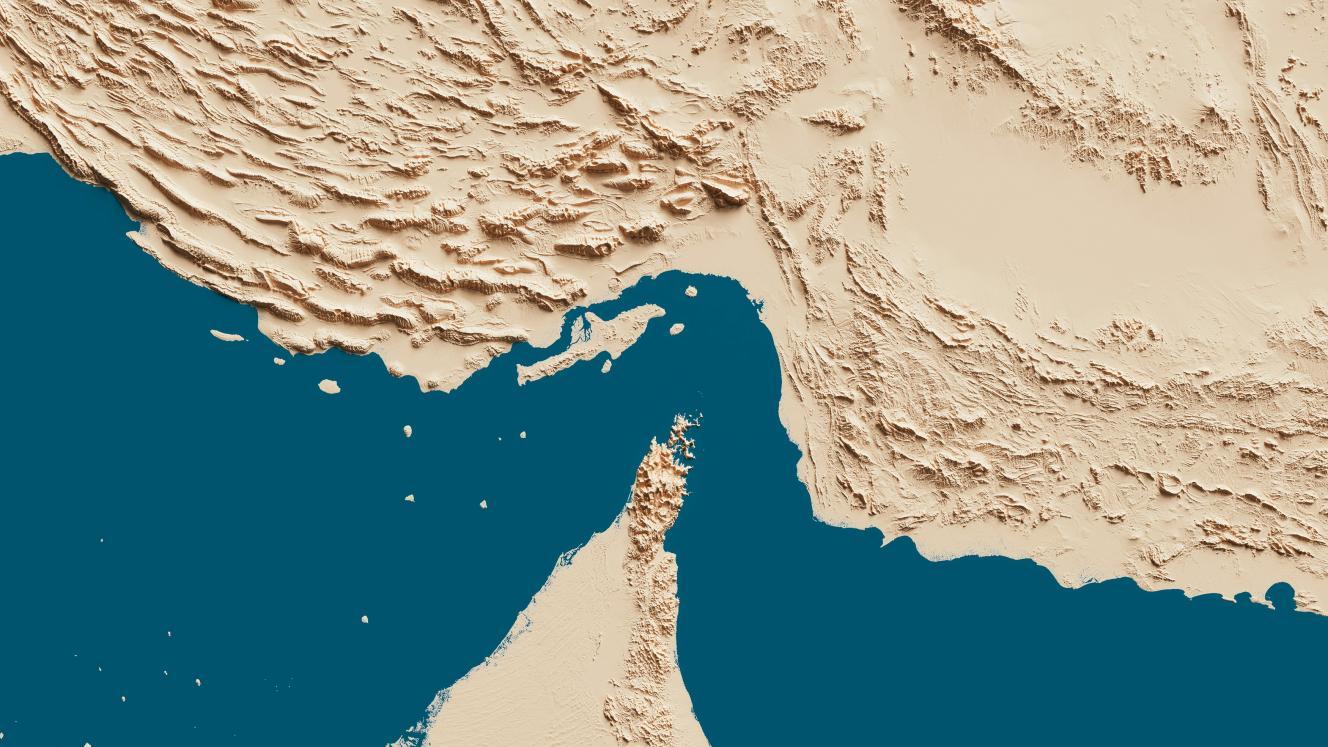
Renewed attacks on commercial vessels in the Strait of Hormuz are putting pressure on shipping movements as energy exporters contend with elevated freight and insurance costs.
A container ship and a tanker were hit by unidentified projectiles in the strait on Tuesday, October 13, Reuters reported, citing the United Kingdom Maritime Trade Operations agency.
In a separate report on October 14, Reuters quoted two senior Iranian officials saying Tehran changed its tactics against vessels it considered to be violating its restrictions.
One official said the changes began about 10 days earlier and resulted in more attacks. The report also described incidents beyond the strait, including waters off Qatar and the United Arab Emirates.
The US Navy-led Joint Maritime Information Center continued to assess the threat to merchant shipping in Hormuz as severe, Reuters reported.
The escalation comes as energy producers warn of mounting transport costs.
Reuters reported on October 12 that OPEC and participating non-OPEC ministers said shipping and insurance charges increased to more than one third of energy commodity values, hampering the movement of crude oil and petroleum products.
The ministers said the costs are placing sustained pressure on producing and consuming countries and adding to inflation.
Cargo arrangements change
Security concerns are also changing how Saudi crude reaches buyers.
According to the Reuters October 12 report on Asian oil purchases, Saudi Arabia shifted some Hormuz cargoes to spot sales because buyers were reluctant to charter vessels to load inside the strait.
Chinese refiners bought at least 12 million barrels on a delivered basis, sources told Reuters, with purchases also reported by refiners in India and Taiwan. Some cargoes were priced about US$20 a barrel above official selling prices. Saudi Aramco declined to comment.
Al Jazeera reported on October 12 that Iran was targeting a shuttle system used to move oil through Hormuz.
Alternative routes support exports
Earlier shipping data illustrates the disruption. A Reuters report carried by The National on October 8 said seven commodity vessels crossed Hormuz on October 6, the lowest daily figure since July 23, according to Kpler.
The figures excluded ships travelling with their tracking transponders switched off.
Kpler said crude flows through Hormuz fell to about 10.1 million barrels a day or 74% of pre-war levels. However, exports from the Gulf of Oman coast and the Red Sea increased to 6.7 million barrels a day, helping keep overall Middle Eastern crude exports at pre-war levels despite disruption in the strait.