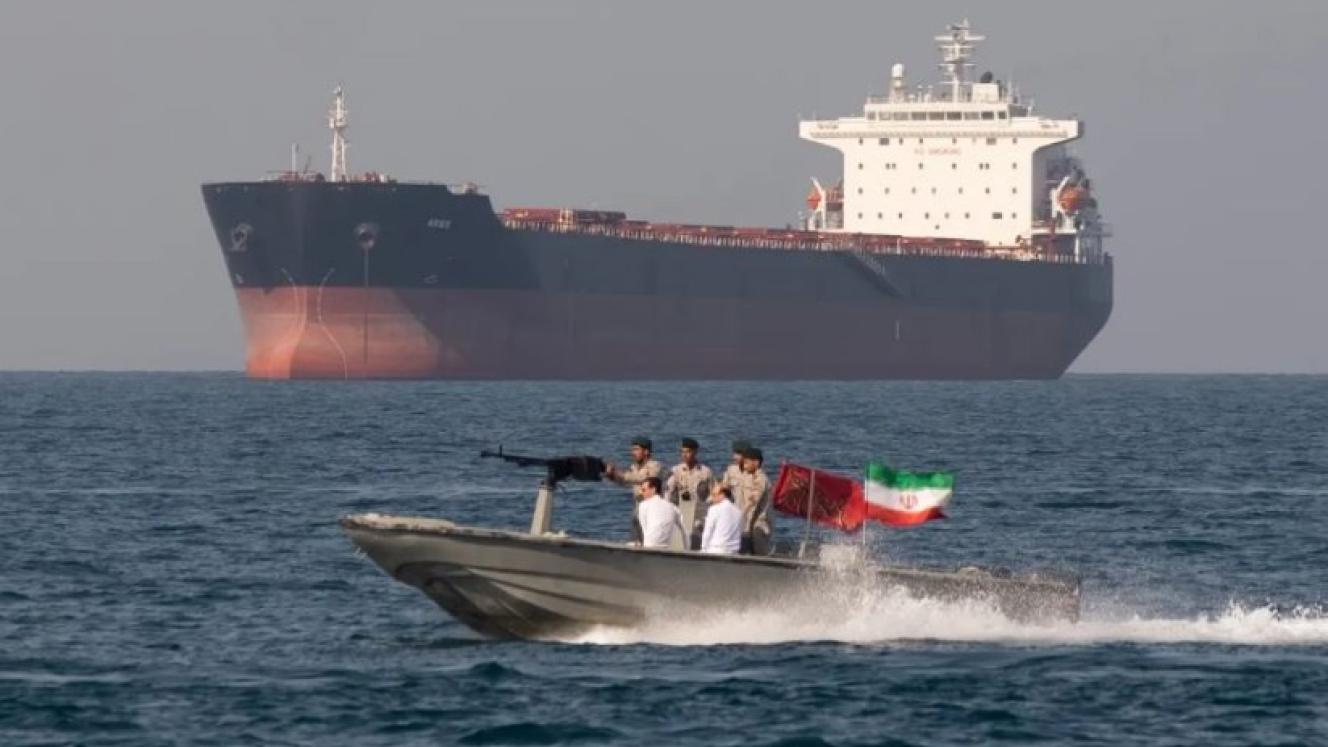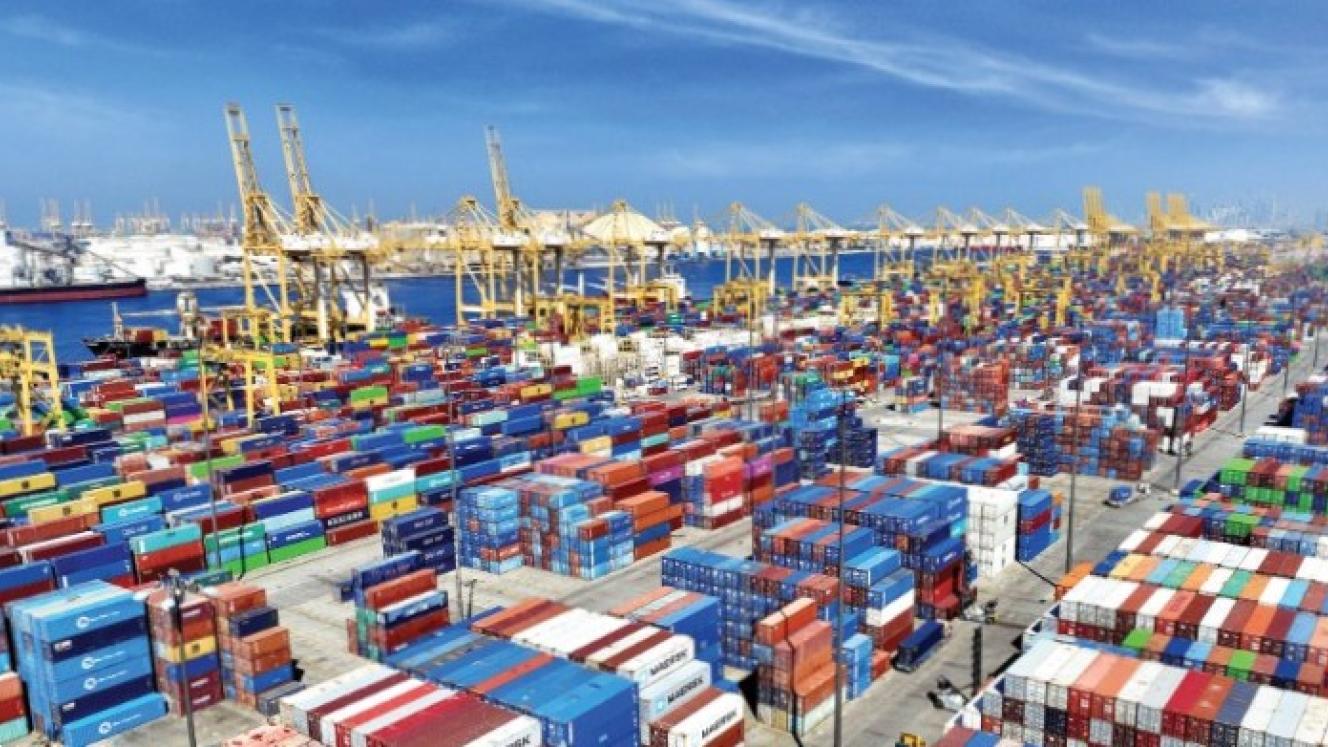
South Africa’s poultry sector is looking at local market mitigation for export product meant for the United Arab Emirates (UAE) if shipments are compromised by conflict in the Middle East, the SA Poultry Association (Sapa) told an industry roundtable on Thursday.
Izaak Breitenbach, chief executive officer of Sapa, said South Africa currently exports approximately 50 000 tons of cooked chicken products per annum to the UAE.
“If the current war situation in the Middle East prohibits ships from delivering produce, that produce will be sold in South Africa as frozen chicken or cooked products and will therefore not be lost.”
A report by the Bureau for Food and Agricultural Policy (BFAP), commissioned by Sapa, found that consumer growth in the last ten years was 8.8%, lagging behind poultry production, which has increased by 11.8% over the same period.
Measured against the preceding decade, the compound annual growth rate has been found to be 1.1% lower.
South Africa is the second-biggest poultry producer in the world after Brazil, the BFAP report found.
Dr Tracy Davids, executive director at the BFAP and one of the authors of the report, says the countries included in this study are the Netherlands, Germany, Brazil, Poland, South Africa and the United States of America.
She says the first benchmark analysis was done by the BFAP in 2015, and since then, every two to three years, in collaboration with Dr Peter van Horne from Wageningen University and Research in the Netherlands.
Competitive benchmarks have multiple facets, and therefore competitiveness is measured from a technical and economic efficiency point of view. Davids points out that these facets include technical efficiency, economic efficiency, feed costs, feed raw material costs, day-old chick costs and total production costs.
There has been substantial investment in production growth following the implementation of the Poultry Industry Masterplan in 2019.
This plan was created collaboratively by several stakeholders in the value chain during a period when the industry was not performing well and struggling to compete with imports.
Davids says “production growth over the past 10 years came despite significant challenges associated with global disruptions, load-shedding in South Africa and severe drought”.
According to the report, meat sectors in South Africa have felt the brunt of the impact of consumer spending power, which has been under pressure over the past 10 years. Since 2018, the BFAP has noted that the per capita meat consumption in the country has declined, and while improvement is expected over the next 10 years, demand is expected to remain slow, driven predominantly by population growth.
Therefore, if production growth targets are met, production would still likely be required to grow faster than consumption.
Poultry is the single largest contributor to the Gross Production Value (GPV) of agriculture, contributing more than R68 billion in revenue in 2024. Poultry production is the biggest offtake of animal feed, with broiler production accounting for around 50% of total feed produced by members of the animal feed manufacturers association in South Africa.
Breitenbach says the industry has increased its turnover from 2019 to 2025 from R65bn to R74bn.
He adds that the poultry industry employs the highest number of people in the agricultural industry as a whole.
“Currently, around 56 000 people are directly employed in the poultry industry and we have around another 110 000 people employed in the total value chain dependent on the poultry industry.”
However, in 2019, 19.7 million birds were slaughtered every week.
“Now we have gone up to a new record of 23m birds per week in South Africa.”
If trade in the Middle East is normalised, other countries in the region are a consideration, as are new markets in Europe and the UK.
However, meeting export regulations takes time, Davids says.
“It’s about playing the long-term plan, strategically.”
Responding to news developments about curbing bird flu, Breitenbach says the poultry industry does not have a shortage of Highly Pathogenic Avian Influenza vaccines.
The industry is waiting for government to give it the go-ahead to start mass vaccinations, and they can start immediately once permission is given.