The United States has indicated its preparedness to provide insurance for maritime vessels willing to sail through the Strait of Hormuz after more than 90% cover for global ocean hulls was cancelled as of midnight, March 5.
According to Japanese shipping platform, Maritime Bridge, seven of the 12 protection and indemnity mutuals indicated earlier this week that the Middle East conflict had left them no option but to reassess war-risk insurance.
Lack of insurance and Iran’s threat to target moving vessels in the Strait of Hormuz, has caused a complete shutdown of supply through the waterway, despite US pledges to provide naval support.
President Donald Trump has now also said on his Truth Social platform that he has “ordered the United States Development Finance Corporation (DFC) to provide, at a very reasonable price, political risk insurance and guarantees”.
Riviera Maritime Media reports that the DFC released a statement saying it was "ready to mobilise its Political Risk Insurance and Guaranty products to stabilise international commerce and support American and allied businesses operating in the Middle East during the period of conflict with the Iranian regime”.
“DFC will offer support to commercial shipping charterers, shipowners, and key maritime insurance providers to minimise market disruptions and help ensure the free flow of goods and capital," the statement said.
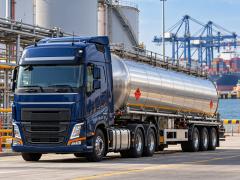
Trump also reiterated that the US Navy would protect tankers in the Strait of Hormuz, although detail remains lacking.
By midday March 5, the US Navy’s presence in the Gulf area consisted of two carrier strike groups, including the USS Abraham Lincoln and the USS Gerald R Ford, as well as destroyers like the USS McFaul.
But the Baltic and International Maritime Council’s (Bimco) Safety and Security officer, Jakob Larsen, said Trump’s assurances were “interesting” but had “yet to be explained in full”.
He said Bimco was “waiting further clarifications on how this would unfold”.
Larsen added: “Providing protection for all tankers operating in areas currently threatened by Iran is unrealistic as this would require a very high number of warships and other military assets.”