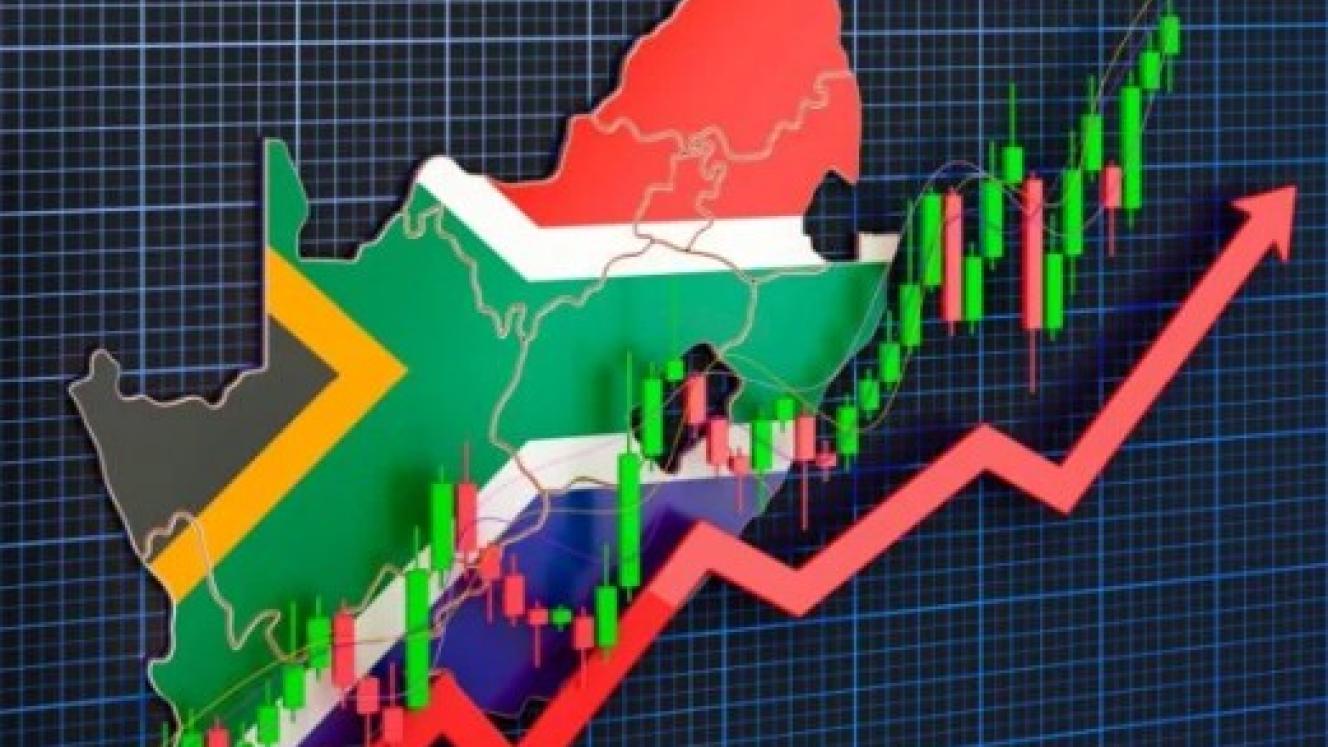
South Africa’s new inflation target is one of several actions helping to bolster macroeconomic stability, and continued reforms, both macroeconomic and structural, can help maintain momentum and address longstanding vulnerabilities.
That’s the view of the International Monetary Fund (IMF), which says South Africa demonstrated remarkable economic resilience in the face of global turbulence in 2025, successfully maintaining macroeconomic stability and keeping inflation under control.
“Even so, the country still faces relatively slow economic growth, high public debt and significant unemployment, especially among young people. There are also concerns about the reliability of key infrastructure – electricity, freight rail, ports and water.”
The organisation believes that to help unlock South Africa’s significant economic potential, the country should pursue policies that focus on low and steady inflation, a sound financial system and healthy government finances, while stepping up reforms supporting stronger economic growth.
Delia Velculescu, the IMF’s mission chief for South Africa, says the authorities should continue to implement prudent policies to maintain low and stable inflation, preserve financial stability and secure fiscal sustainability, while advancing structural reforms that support inclusive, job-rich growth.
“The new 3% inflation target marks an important policy milestone, aimed at strengthening South Africa’s economic framework and ensuring macroeconomic stability. Low inflation can help boost real incomes and purchasing power, with low-income households benefiting the most. It also helps relieve pressures on the rand and lowers borrowing costs for individuals, businesses and the government, ultimately encouraging investment, growth and fiscal sustainability.”
She says the authorities should remain vigilant and continue to manage risks proactively. “To safeguard financial stability, regulators should continue to closely monitor emerging risks and enhance supervisory practices. In addition, there is scope to help small and medium-sized enterprises gain better access to financing and to enhance payment system efficiency. All this will be critical to promote dynamic, inclusive growth.”
In terms of structural reforms, she says South Africa has made significant progress through ‘Operation Vulindlela’, which targets key constraints to growth. In the electricity sector, she says private participation has contributed to stabilising supply, including from renewable sources. Logistics reforms, like opening freight rail and ports to private investment and competition, are important milestones.
“We support the reforms implemented so far. Continued, resolute implementation of these sectoral reforms remains crucial, as reliable electricity, railways, ports and water infrastructure are fundamental for consumers and the economy. We also recommend a comprehensive package of cross-sectoral reforms to improve the business environment, address governance challenges and corruption and increase labour market flexibility.”