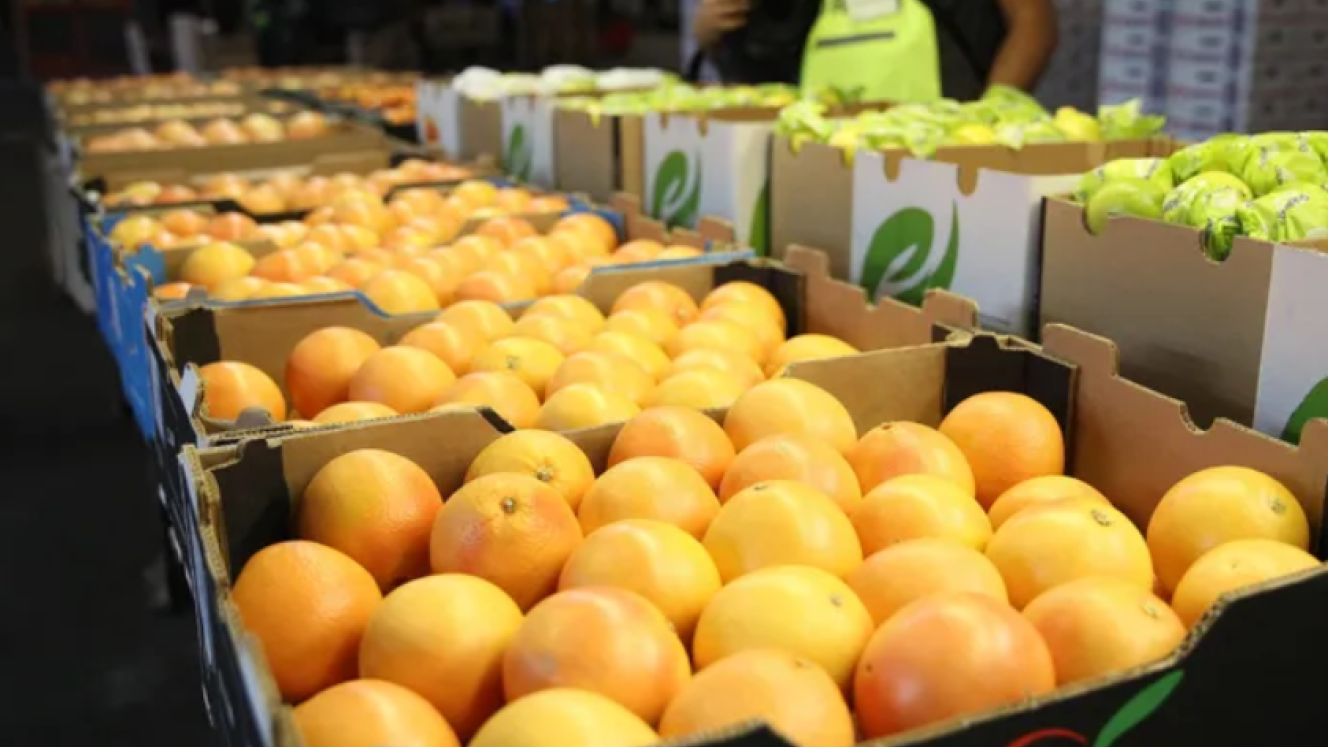
South Africa’s agricultural exports increased by 10% year on year to R66.7 billion in the second quarter of 2026, supported by higher export volumes and stronger commodity prices.
International Trade Centre Trade Map data analysed by Agricultural Business Chamber Chief Economist Wandile Sihlobo shows that agricultural exports reached R126.9 billion during the first half of the year – an increase of 11% compared with the same period in 2025.
Citrus, apples and pears, maize, wine, avocados, mangoes, wool, sugar, fruit juices, grapes and nuts were among the leading exports during the second quarter.
Africa remained South Africa’s largest agricultural export market, accounting for 40% of the total value. Maize, apples and pears, processed foods, sugar, fruit juices, soybean oil, wine and sunflower oil were among the main products exported to the continent.
Asia and the Middle East jointly accounted for 24% of agricultural exports. Shipments to the region included citrus, apples and pears, maize, wool, nuts, sugar, meat, berries, wine and soybeans.
The European Union was the third-largest market receiving 21% of South Africa’s agricultural exports. Citrus, avocados, wine, apples and pears, fruit juices and nuts featured prominently in shipments to the bloc.
The Americas accounted for 5% of agricultural exports while other markets, including the UK, represented the remaining 10%.
Exports to the United States increased by 56% from the first quarter to R2 billion in the second quarter, according to Sihlobo’s analysis. He attributes the improvement partly to the reduction in US tariffs on South African goods from 30% to 12.5%.
However, agricultural exports to the US remained 25% lower than in the second quarter of 2025 when exporters increased shipments during the 90-day pause preceding the introduction of the higher tariffs.
The US accounted for 3% of South Africa’s total agricultural exports during the second quarter with citrus, grapes, wine and fruit juices among the principal products supplied to the market.
Maintaining existing markets and expanding into new destinations remains important for the export-orientated agricultural sector amid heightened global trade tensions, Sihlobo says.
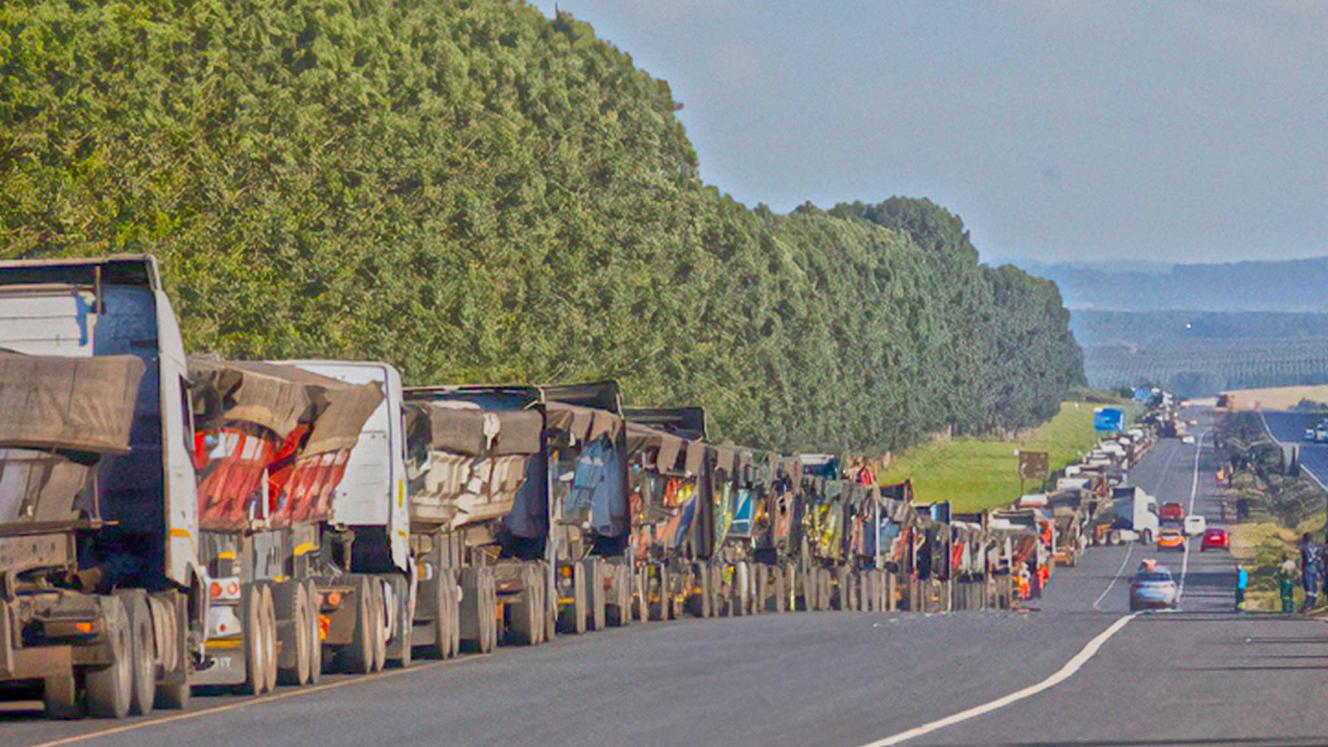
Agricultural exports experienced less logistical friction during the second quarter than in recent years, he notes.
Port performance improved materially at Durban and the Eastern Cape ports, according to Sihlobo, although efficiency at the Port of Cape Town remains a challenge for agricultural exporters.
South Africa’s agricultural imports increased by 12% year on year to R32.5 billion during the quarter. Major imports included wheat, palm oil, poultry and whisky.
Imports totalled R63.5 billion during the first half of 2026, representing an increase of 5% compared with the corresponding period last year.
The agricultural sector consequently recorded a trade surplus of R34.2 billion in the second quarter, up 9% year on year, driven by the stronger export performance.