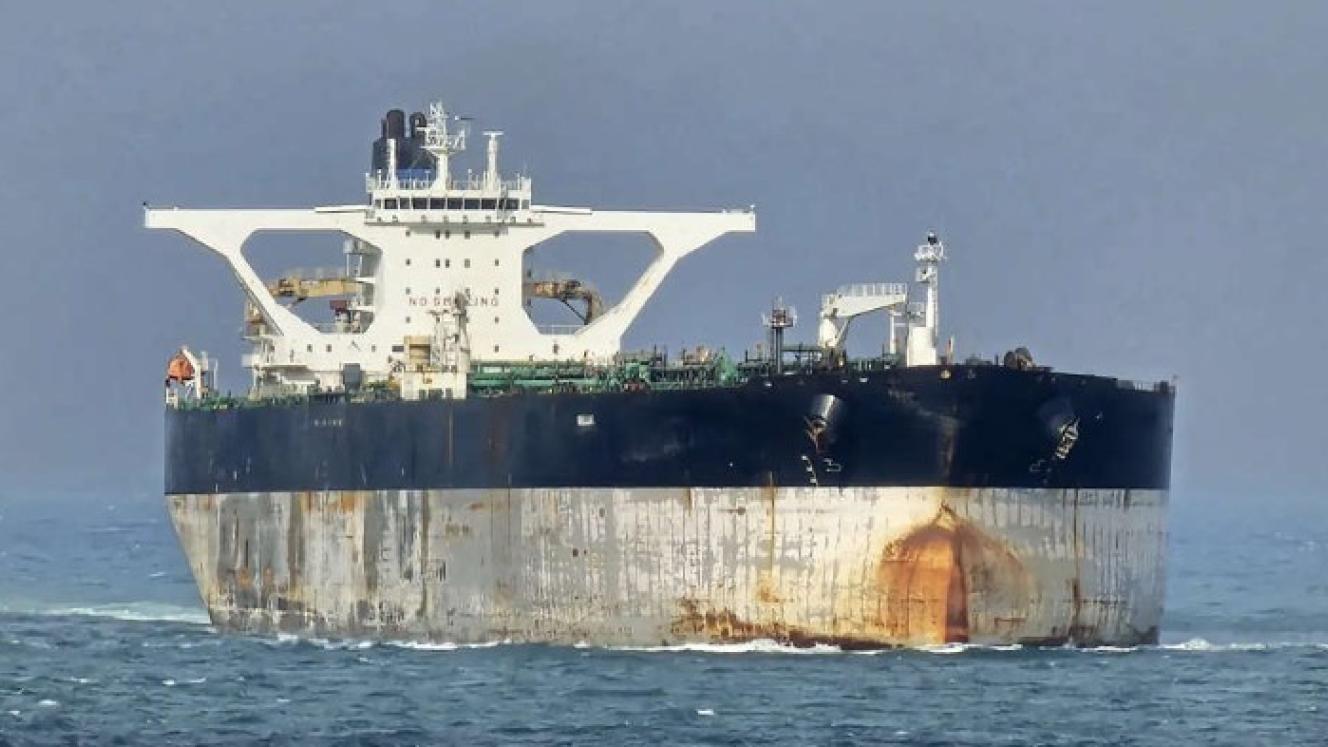
Germany’s instruction to a ‘shadow fleet’ tanker to turn around after entering its waters sometime on January 10-11, served as a strong indication of international intent against Russia violating embargoes to ship crude because of its war against Ukraine.
But it stands to reason that others must follow suit, says Richard Meade, Lloyd’s List editor-in-chief.
He adds this is especially important in light of subsequent utterances by the UK and EU, which bodes well for intent but rings hollow when countries retreat from rhetoric because of Russian jet fighters preventing cargo from being seized.
Despite doubts hanging over enforcement, another way of looking at shadow-fleet stand-offs is to consider the consequences for global shipping as mounting pressure is placed on blacklisted tankers aiding Russia in moving crude.
Resulting pressure, says Meade, is not affecting those in the shadowy end of trades.
“Russia’s ability to sustain its crude exports increasingly hinges on the tonnage willing and available to lift Russian barrels.
“As sanctions intensify, and operational risks escalate, the logistics gets harder, longer and more costly.”
When the Tavian was told to make a U-turn as it was sailing near Flensburg, off Germany's Schleswig-Holstein coast in the North Sea, it’s doubtful that Russian President Vladimir Putin flinched, Meade argues.
“But this is not about just one tanker.
“Sure, sanctioned export volumes remain stubbornly resilient overall, but flow reliability deteriorates as routing options narrow and oil-on-water distortions increase. We are potentially a few turns of the screw away from Russia’s crude fleet facing a structural vessel supply shortage this year.”
He remarks that if Tavian-style disruptions become a trend, it will materially change matters for Russia’s oil exports.
“A U-turn in the Baltic may not be as dramatic as yet another US seizure in the Caribbean, but the trend towards direct enforcement against ships is growing along with the implications for markets.”
Adding to the overall oil-market complexity is the brazen capture of former Venezuelan president Nicolás Maduro in Caracas by US forces on January 3.
Although this doesn’t impact overall global supplies, it has shifted 800 000 barrels of crude out of non-compliant hands, Meade adds.
When the Tavian was told to turn around a week later, it sent a clear signal to the Kremlin that the tide seems to be turning on shadow fleet shipments.
“The sanctioned markets are increasingly interdependent because they increasingly share a pool of tankers, so action in one jurisdiction has consequences elsewhere,” Meade writes.
“Given that sanctioned exporters now account for around 20% of global seaborne crude supply, even the smallest changes create ripples.”