QatarEnergy has suspended the production of liquefied natural gas (LNG) at the world’s largest export facility following military attacks, significantly escalating the global energy market crisis while war is waged across the Persian Gulf and wider Middle East region.
As a result, reports Independent Commodity Intelligence Services (ICIS), “European gas prices have surged 48% since Friday.”
Production shutdown at the facility includes the world’s largest LNG output at Ras Laffan Industrial City, which sources gas from the North Field in the Persian Gulf, approximately 80 km offshore northeast of mainland Qatar.
ICIS reports that its Title Transfer Facility assessment on Monday morning stood at US$13.94/MMBtu (million British Thermal Units), “up 26% from the previous close, before climbing a further 20% in volatile trading after confirmation of the production halt”.
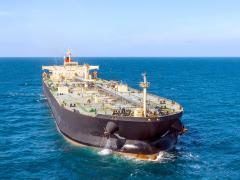
“Meanwhile, no LNG vessels have transited the Strait of Hormuz since Saturday, effectively cutting off around 20% of global LNG supply. Although there is no formal blockade, tankers remain anchored due to heightened security and insurance risks, intensifying supply concerns.”
ICIS also reports strong reaction from oil markets, with Brent crude rising more than 10%.
“However, prices do not yet reflect a full structural supply shock, given the previously well-supplied global oil market.”
The London-based commodity price consultancy points out that Europe imports a relatively small share of its LNG directly from Qatar, but Asia’s dependence is much greater.
Energy market impacts related to the Middle East conflict “is likely to increase competition for flexible LNG cargoes and drive global prices higher,” ICIS reports.
“European storage levels, at 30% at the start of February, add to vulnerability ahead of the summer refill season.
“If disruption persists into the second quarter, further upside in gas and potentially oil prices remains possible, particularly if shipping disruptions and insurance constraints continue to limit flows.”