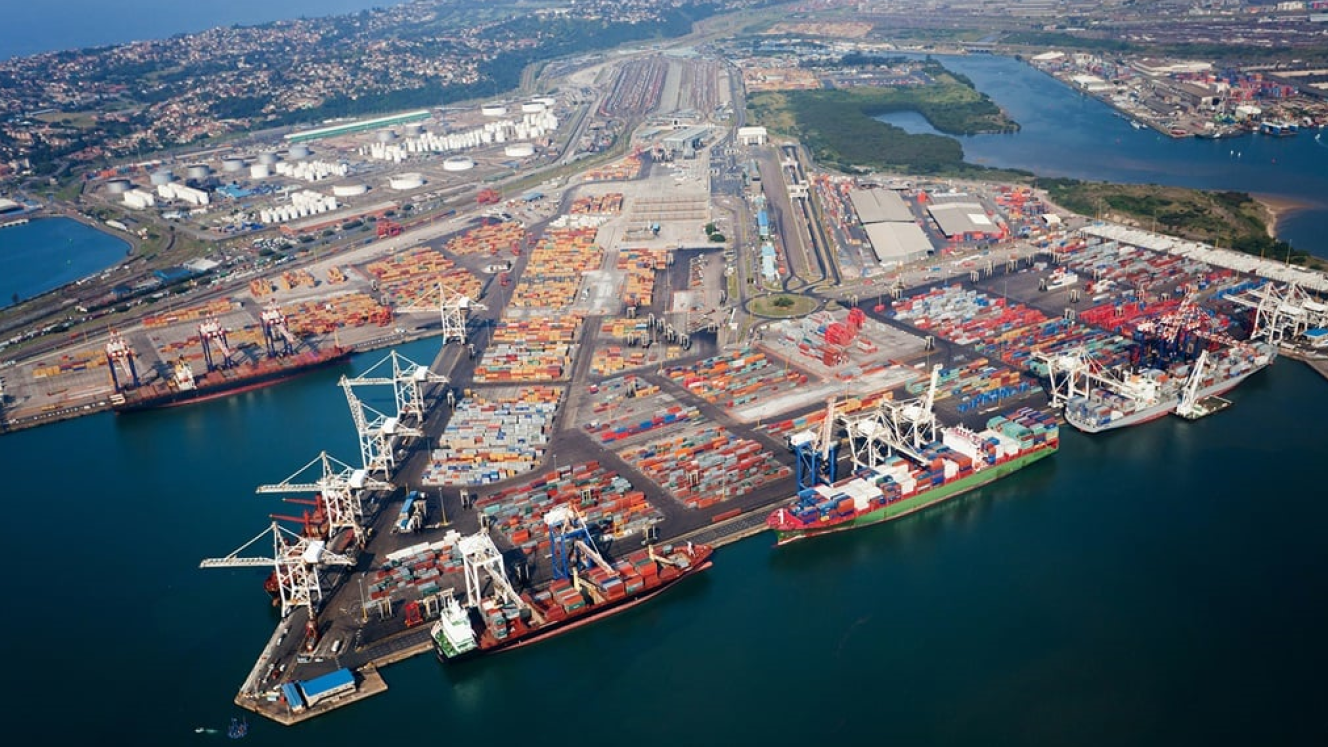
Investors in logistics infrastructure such as roads and rail are being wooed by the Zambian government. “There is a huge infrastructure financing gap and government is aware that resources from the public sector and development partners are limited and can only cover part of the financing needed,” says the Zambia Development Authority in a booklet. It says “government recognises the need to mobilise private sector financing to support public infrastructure development through PPPs (public private partnerships) as alternative financing for infrastructure development”. Key projects to be procured under the PPP arrangement will include roads, railways, border support infrastructure, energy, estate and housing, agriculture services, health and airports, according to the agency. These partnerships are governed by a regulatory framework in the form of the PPP Policy and Act No 14 of 2009. An example is Proflight Zambia, a privately run airline offering local and regional flights. With no national airline to protect, Zambia has adopted an “open sky policy,” and is currently promoting the establishment of an air cargo hub for the southern African region. The infrastructure at all the international airports is being improved through partnerships with the private sector. “The developments include the runways, terminals and auxiliary facilities in and around the airports such as hotels, shopping malls, conference facilities etc. Scope for private sector participation in development of airports also exists in the identified airfield at Chipata, Kitwe, Kasama, Mongu, Solwezi and Mansa,” says the report. The Zambian government also wants the private sector to undertake the lion’s share of the work for Link Zambia 8000 Road Project, which envisions the building of 8 000km of high quality single and dual lane roads throughout the landlocked country. Returns would be in the form of toll fees charged for using the stretch of road built and being maintained by the private sector investor. There is a particular emphasis on rail: “The development of rail routes linking important exit points is not only vital for facilitating smooth access to the outside world but also for the overall boosting of trade in the sub-region and making Zambia a competitive country for doing business. “The Zambian railways generally operate well below their original design capacity, yet they cannot increase their volumes because of poor track condition, lack of locomotive and wagon availability and low operating capital. “Government is seeking private sector participation in the development and rehabilitation of the railway infrastructure,” says the report. Five rail links have been identified for upgrading through a PPP arrangement. One of the early investors in Zambian rail is South Africa-based Grindrod, which has entered into a partnership with NorthWest Rail Company Limited (NWR) of Zambia which owns the exclusive rights to build, operate and maintain a new railway from Chingola in the heart of the old Zambian Copperbelt to the Angolan border. “Once completed this will re-open the western corridor to Central Africa, which was established in 1929 by Sir Robert Williams. “Over 2 000kms of new railway line would then link the Atlantic seaboard port of Lobito directly to the heart of the Zambian and DRC Copperbelt mining region,” according to the Grindrod website. Once operational the line will disrupt the current road-based logistics chains. “In addition to the inter-mine traffic of copper concentrate and finished copper, the railway will service the mines with supplies and generate freight from the DRC at consolidation dry port hubs in Solwezi and the multi-facility export zone at Lumwana,” it says. INSERT Zambia has adopted an open sky policy and is promoting the establishment of an air cargo hub for the southern African region. CAPTION The Zambian government is looking for private sector partnerships to help upgrade infrastructure such as roads.
Zambia wants private funding for infrastructure upgrades
Comments | 0
© Now Media. This content is protected by copyright and may not be adapted or republished. If you would like to discuss cooperation opportunities, please contact: editor@freightnews.co.za.