The surge in demand for copper and other strategic minerals could be a missed opportunity for the Democratic Republic of the Congo (DRC) and Zambia.
Both must address the key challenge of developing the infrastructure necessary to transport minerals efficiently and cost-effectively.
Compounding the challenge is that many of the new deposits have been found in remote parts of the DRC and Zambia.
Integrating mining-related infrastructure needs into national development plans will be essential to reduce transport costs and improve export efficiency, according to the PwC 2025 Mining Industry Report.
The report says there is a “growing expectation that mining companies will invest in enabling infrastructure such as access roads, power lines and water systems in and around their operations”, adding that governments also need to play their part by investing and eliminating cross-border bottlenecks.
A number of major rail, road, power and border projects are already under way, with combined investment estimated at over US$12 billion.
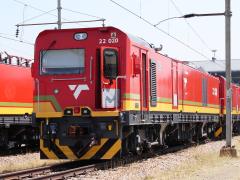
Two revived rail links will connect the Copperbelt to markets on both sides of the globe – the Lobito Corridor to the west and the TAZARA line to the east.
Backed by the governments of the United States and the European Union, the Lobito Corridor is a strategic response by Western powers to China's growing infrastructure presence in Africa.
The European Union has announced plans for a $130 million upgrade to the Mwinilunga-Jimbe road, which acts as a feeder into the broader Lobito Corridor infrastructure project.
A proposed 800 km spur line will connect the Zambian Copperbelt to the Lobito Corridor. Angola is currently seeking $4.5bn in funding for the project.
China is financing and upgrading the infrastructure of the TAZARA line and will provide new locomotives and wagons.
Konkola Copper Mines (KCM) is leading a targeted $8.1m road rehabilitation programme serving the mining towns of Chililabombwe and Chingola.
The 371 km Mutanda-Kaoma road (Western Corridor) in Zambia is undergoing a major $326m rehabilitation and upgrading project into a bituminous-standard highway to provide a shorter route to the Port of Walvis Bay.
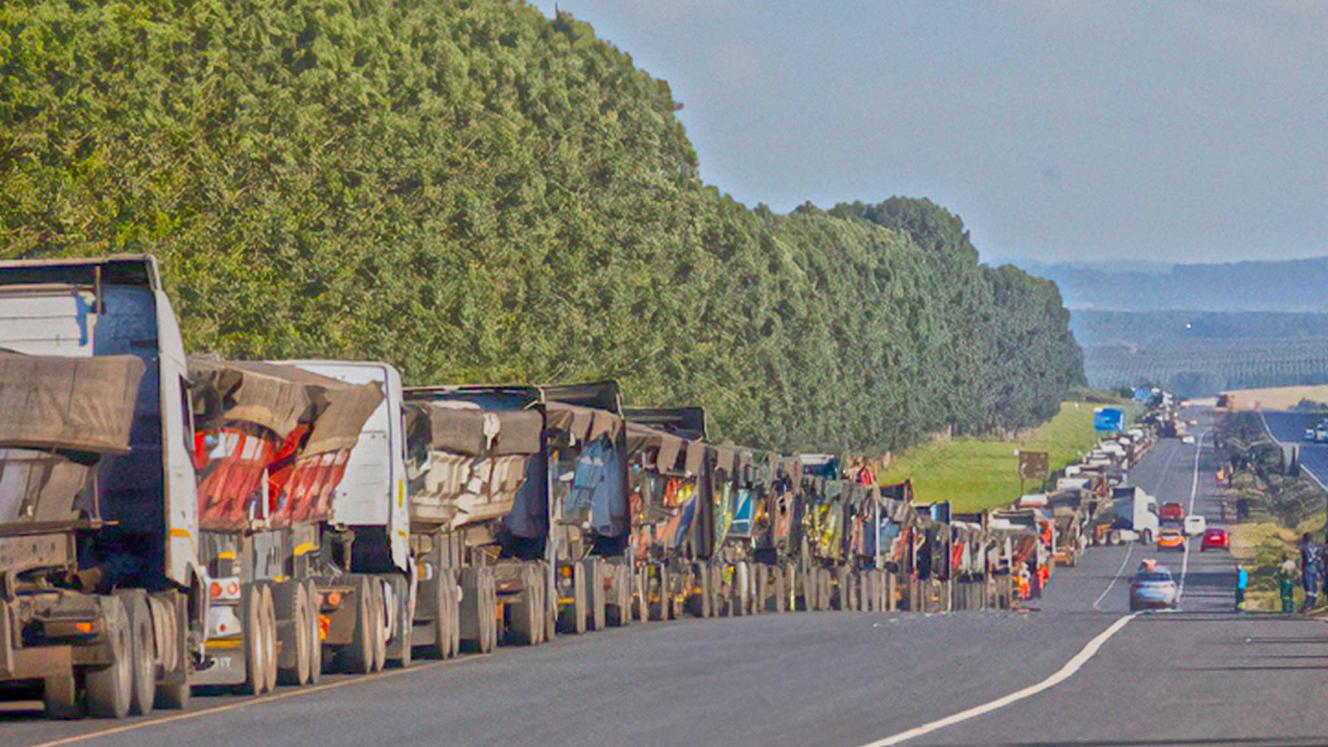
An 89 km stretch connecting Zambia’s North-Western Province to the Lualaba Province in the DRC (Lumwana-Kambimba road) will speed up transport to Kolwezi and bypass congestion at the Kasumbalesa border.
Work is under way on a $76m Ndola-Sakania-Mufulira Road project, which includes the development of a one-stop Sakania border post between Zambia and the DRC.
Sakania is the site of a Chinese-built and operated dry port on the DRC side of the border.
There are numerous other projects under way as part of the Zambian Road Development Agency’s strategic development plan.
A mix of critical power projects include a combined 166 MW Sombwe Hydropower project and a 46 MWp solar installation on the Lufira River in the DRC.
A 200 km high-voltage line will improve connectivity between north-western Zambia and the DRC.
Much more power is needed. Copperbelt Energy Corporation PLC managing director, Owen Silavwe, told the African Mining Indaba in Cape Town that some $12bn was needed to deliver 10 gigawatts of new generation capacity by 2030.