The energy transition supports a shiny 10-year copper price outlook, AI infrastructure roll-out and emerging market growth.
Despite significant new investment and increased recycling, the mining sector will struggle to meet the expected demand.
Demand from energy transmission and generation alone is anticipated to grow from around 10 million metric tonnes in 2025 to 14 million tonnes in 2035, and electric vehicles from 2.3 million tonnes in 2025 to six million tonnes over the same period.
Data centres will need another million tonnes.
As a result, copper prices are projected to rise from between US$12 000 and $15 000 a tonne.
For Zambia and the Democratic Republic of the Congo (DRC), this is described as “a generational opportunity”.
The Zambian government is attempting to capitalise on the opportunity.
According to the PwC fourth edition of the Zambian Mining Industry Report, between 2022 and 2024 there was a dramatic increase in the number of mining rights issued by the Ministry of Mines and Mineral Development.
In 2022, only 190 licences were granted. This rose to 1 218 in 2023, an increase of more than 540%.
In 2024, the number grew to 2 175, a further increase of 78%.
Zambia’s mining industry is undergoing a major transformation with the enactment of the Minerals Regulation Commission Act (2024) and the Geological and Minerals Development Act (2025).
These new statutes replace the Mines and Minerals Development Act (2015) and aim to modernise regulation, enhance transparency and align Zambia’s mining governance with global best practices, according to the report.
At the heart of the DRC government strategy is a determination to move beyond being merely a raw materials supplier, delegates to the 2025 Investing in African Mining Indaba were told.
Recent policies, including export restrictions on unprocessed cobalt, copper and lithium, are designed to incentivise domestic processing and value addition.
By encouraging local refining and battery manufacturing, these measures aim to integrate the DRC more deeply into the global energy supply chain.
“Our goal is not only to extract minerals but to transform them into products that generate greater economic returns and sustainable employment for our people,” a senior official at the Ministry of Mines is quoted as saying.
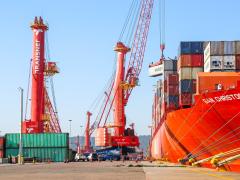
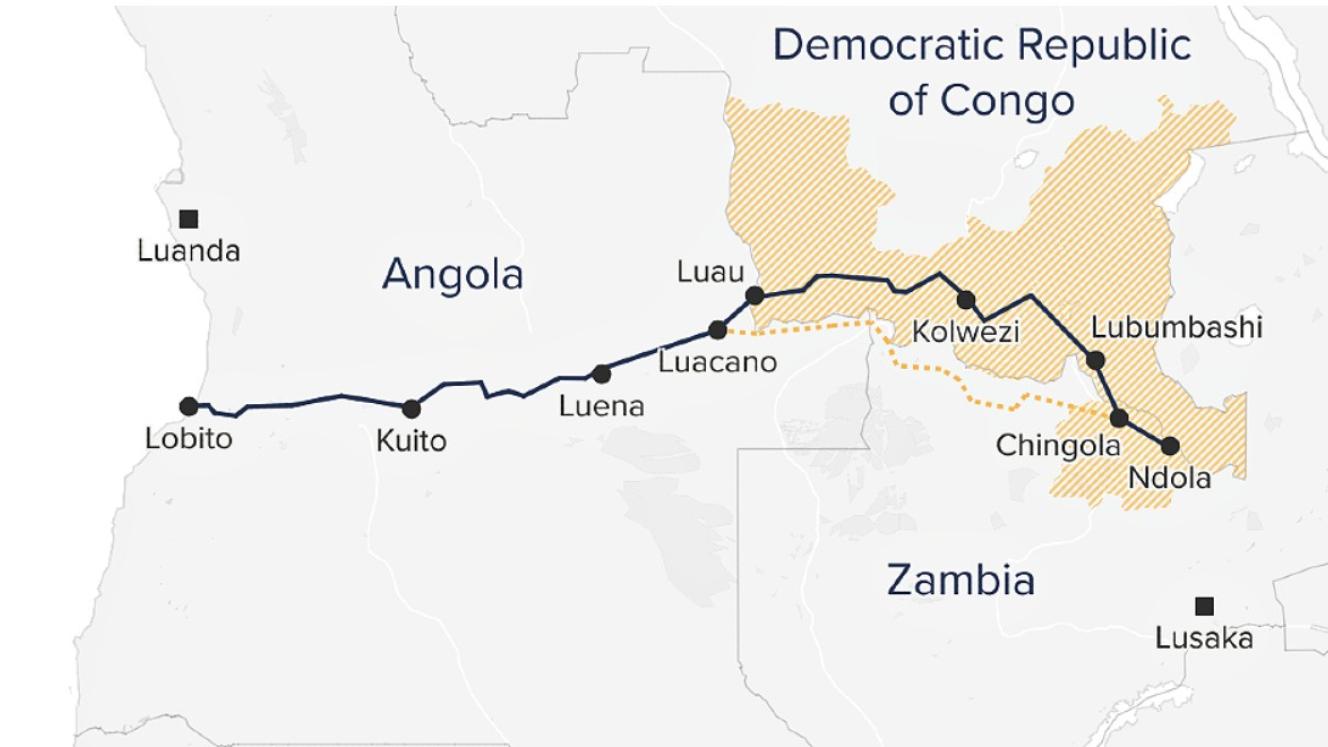
New transport corridors are also being established, with the European Union and the United States investing in the Lobito Corridor, while China is revamping the TAZARA railway to Dar es Salaam.
Namibia continues to improve its corridor between Walvis Bay and the Copperbelt.