South Africa’s wheat imports are forecast to rise to approximately two million tonnes in the 2026/27 season as the country faces its lowest wheat harvest in eight years.
The projected import requirement is about 200 000 tonnes higher than the previous season’s 1.8 million tonnes, according to Agricultural Business Chamber of South Africa (Agbiz) Chief Economist Wandile Sihlobo.
His assessment follows the Crop Estimates Committee’s second winter crop production estimates, released on Tuesday, September 29.
Overall winter crop production is estimated at 2.67 million tonnes, reflecting a 2% year-on-year increase across wheat, barley, canola, oats and sweet lupines. However, Sihlobo said the combined figure masks a weaker outlook for wheat.
“But, if we set aside all other crops, which are up notably from the 2025/26 season because of increased area planted and focus on wheat, the picture is worrying,” he wrote in his blog on Wednesday, September 30.
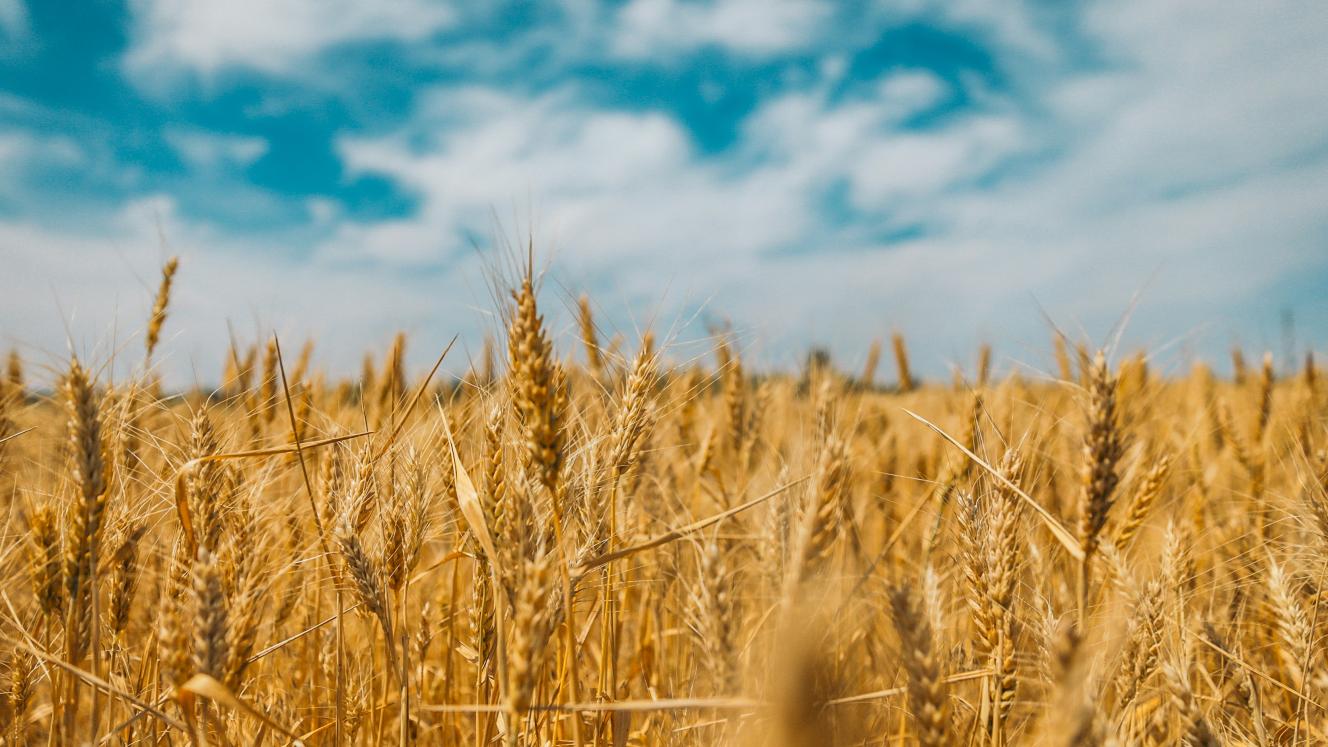
“South Africa’s 2026/27 winter wheat harvest is estimated at 1.81 million tonnes, down 5% year on year. This is the lowest harvest in eight years.”
Sihlobo attributes the contraction to reduced plantings and dry conditions in parts of the Western Cape.
“The decline in area planted, combined with the prospect of poor yields due to dryness in parts of the Western Cape over the past few months, is a major factor behind the expected lower harvest,” he said.
The smaller crop is expected to increase South Africa’s reliance on imported wheat to meet domestic demand.
“South Africa will likely increase wheat imports to around two million tonnes, up from 1.8 million tonnes last season,” Sihlobo said.
He cautioned that the estimates are provisional.
“Production figures may still change as the season continues. After all, we are still in the second round of production estimates and eight more estimates will follow.”
However, observations from farming areas suggest that the outlook will remain difficult.
“Still, based on what we have observed on the ground and insights from farmers, we are more convinced that the 2026/27 season will remain challenging for wheat and the country’s import requirements will be higher going forward,” he said.
South Africa consumes roughly 3.4 million tonnes to 3.8 million tonnes of wheat annually, relying on imports for a substantial share of its requirements. According to South African Grain Information Service (SAGIS) data and Agbiz research, imports amounted to approximately 1.8 million tonnes in the 2025/26 marketing season.
SAGIS figures cited for that period show that Poland accounted for approximately 23% of imports, followed by Russia at 15% and Lithuania at 14%. Australia and the United States also supplied wheat to the South African market.
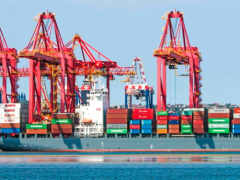
The higher import requirement would mean additional cargo for the maritime and inland supply chains serving the milling industry.
On the international market, Sihlobo said wheat availability remains relatively favourable despite a projected decline in global production. The International Grains Council’s September forecast put the 2026/27 global wheat harvest at 820 million tonnes.
“Looking at this figure year on year may be worrying, signalling a 3% drop from the 2025/26 season,” he said.
“But over the long term, a harvest of 820 million tonnes is well above the long-term level of about 790 million tonnes.”
While global availability could support South Africa’s import needs, Sihlobo highlighted disruption to Ukrainian shipping infrastructure as a near-term risk to trade and prices.
“The only near-term challenge, and the major driver of price increases, is disruption to shipping infrastructure in Ukraine because of the Russia-Ukraine war,” he said.