Higher diesel prices will add nearly R13 000 to the monthly fuel bill of a truck using 4 000 litres of low-sulphur diesel, increasing pressure on transporters’ cash flow and freight rates.
The October adjustment takes effect on Wednesday, October 7, with wholesale diesel prices increasing by approximately R2.84 a litre for 0.05% sulphur diesel and R3.24 for 0.005% sulphur diesel, according to the Department of Mineral and Petroleum Resources.
Using the department’s unrounded increases, a vehicle consuming 4 000 litres a month would incur an additional R11 375 for 0.05% diesel or R12 975 for 0.005% diesel. Actual diesel pump prices vary because retail prices are unregulated.
PFS Container Division Chairperson Aven Naidu describes the increase as a “serious shock” for operators, saying fuel represents their largest single operating expense.
“Most freight rates aren’t adjusted until the next contract review so operators absorb it in the meantime. Ultimately, it will flow through into the cost of moving food, fuel, building materials and consumer goods,” Naidu says.
The increase will put further pressure on transport costs and supply chains with consequences for the prices of goods, Road Freight Association CEO Gavin Kelly warns.
He says fuel accounts for between 35% and 55% of operating costs, depending on the operation, vehicle type and routes.
“With fuel prices continuing to rise, transport companies will inevitably raise the cost of transport due to increasing pressure on operational costs,” Kelly says.
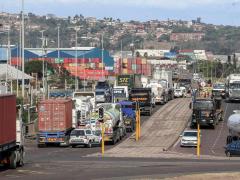
“Diesel fuels a great majority of freight movement in the country from line haul trucks that link ports and distribution centres to small delivery vehicles supplying local markets.”
Transporters face a choice between increasing rates and drawing down cash reserves, Kelly points out. Operators are using telematics, routing software and driver training to reduce consumption but these measures cannot fully offset the increase.
The Department of Mineral and Petroleum Resources attributes the adjustment to higher international oil and petroleum product prices. Average Brent crude prices rose from US$87.89 (about R1 425) to US$101 (about R1 637) a barrel during the review period amid continued US-Iran tensions, uncertainty about oil flows through the Strait of Hormuz, higher shipping costs and declining inventories.
The rand strengthened marginally against the dollar over the period, slightly cushioning the increase.
Petrol prices will also rise with 93 octane increasing by R3.12 a litre and 95 octane by R3.33.
Naidu is urging government to review the taxes and levies included in fuel prices to help ease pressure on operators and consumers.
“We urge government to look at the fuel price build-up, including the levies, which make up a significant share of the pump price, to give some relief while international prices and the rand stay volatile,” he says.
The October adjustment follows substantial earlier fuel price increases although slower price growth elsewhere helped cushion consumers, Standard Bank Economist Elna Moolman says.
Statistics South Africa’s August figures show fuel prices were 20% higher than a year earlier while food prices rose by 0.7%. Overall consumer inflation was 4.4%.
Moolman says consumers could face greater pressure in the months ahead as increases in the cost of their overall basket of goods and services outpace wage growth.
“From here onwards, however, it will become disproportionately painful for consumers as the total basket of goods and services consumed by most South Africans will likely increase by more than the typical wage increase. So we’d expect to see significant pain on consumers in coming months.”