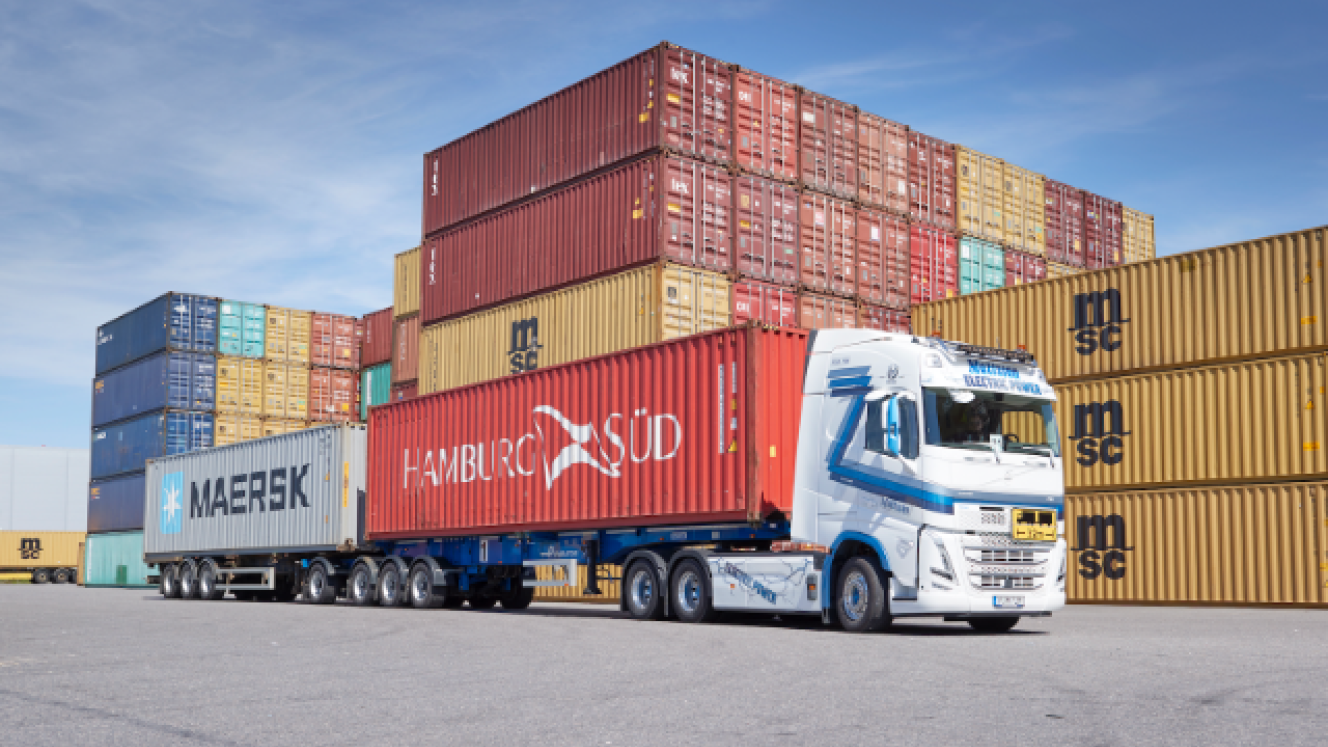
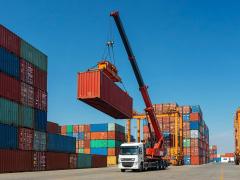
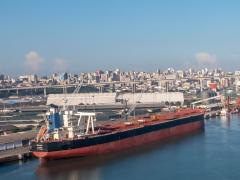
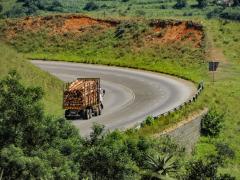
Cargo volumes along the Walvis Bay-Ndola- Lubumbashi Development Corridor (WBNLDC) increased significantly during the second quarter of 2026, following a relatively stable first quarter. According to James Kaposa, business development manager for Zambia and Malawi at the Walvis Bay Corridor Group (WBCG), growth was driven by higher import volumes of fertiliser, sulphur, ammonium nitrate, wheat, solar equipment and mining inputs. Importers and exporters were also rerouting cargo through the Port of Walvis Bay because of its “operational efficiency, reliability and competitive transit times”, he said. Zambia’s mining sector continued to drive growth along the corridor, with increased production at Kansanshi, Lumwana, Mopani and Konkola Copper Mines, contributing to higher copper exports through Walvis Bay. “Annual copper production rose by 6.8%, from 802 000 tonnes in 2024 to 856 000 tonnes in 2025,” Kaposa told Freight News. He said the development of the Mingomba Copper Mine was expected to boost export volumes further and support Zambia’s target of producing three million tonnes of copper annually by 2030. New cargo opportunities were also emerging outside the mining sector. “Pilot avocado exports to Europe via Walvis Bay and the commissioning of a major fertiliser manufacturing plant are creating new cargo opportunities, strengthening both northbound and southbound trade along the corridor.” Kaposa said ongoing transport infrastructure investment in Zambia and Namibia was further supporting freight growth along the corridor. The ongoing construction of the Lusaka–Copperbelt dual carriageway and the planned rehabilitation of the Livingstone-Sesheke road are key government infrastructure projects that will enhance road safety, reduce transit times, improve cross-border connectivity and facilitate more efficient freight movement along the Walvis Bay corridors,” he said. Investment is also continuing at the Port of Walvis Bay, where the 10-kilometre access channel is being deepened from 14.4 metres to 16.8 metres and widened from 130 metres to 200 metres. Kaposa said the work had significantly enhanced the port’s capacity to accommodate larger vessels and growing cargo volumes. “Collectively, these investments further strengthen the WBNLDC as a reliable and efficient trade route for Zambia’s international and regional trade,” he said. Looking ahead, Kaposa remains positive about the Zambian market over the next 12 months. “Continued investment in mining, coupled with the government’s ambition to increase copper production to three million tonnes annually by 2030, is expected to drive sustained demand for logistics services,” he said. “Growth in commercial agriculture, fertiliser production and non-traditional exports will further diversify cargo flows, positioning the Walvis Bay- Ndola-Lubumbashi Development Corridor as a strategic route for Zambia’s regional and international trade.” LV
Walvis Bay port efficiency attracts growing volumes
Comments | 0
© Now Media. This content is protected by copyright and may not be adapted or republished. If you would like to discuss cooperation opportunities, please contact: editor@freightnews.co.za.