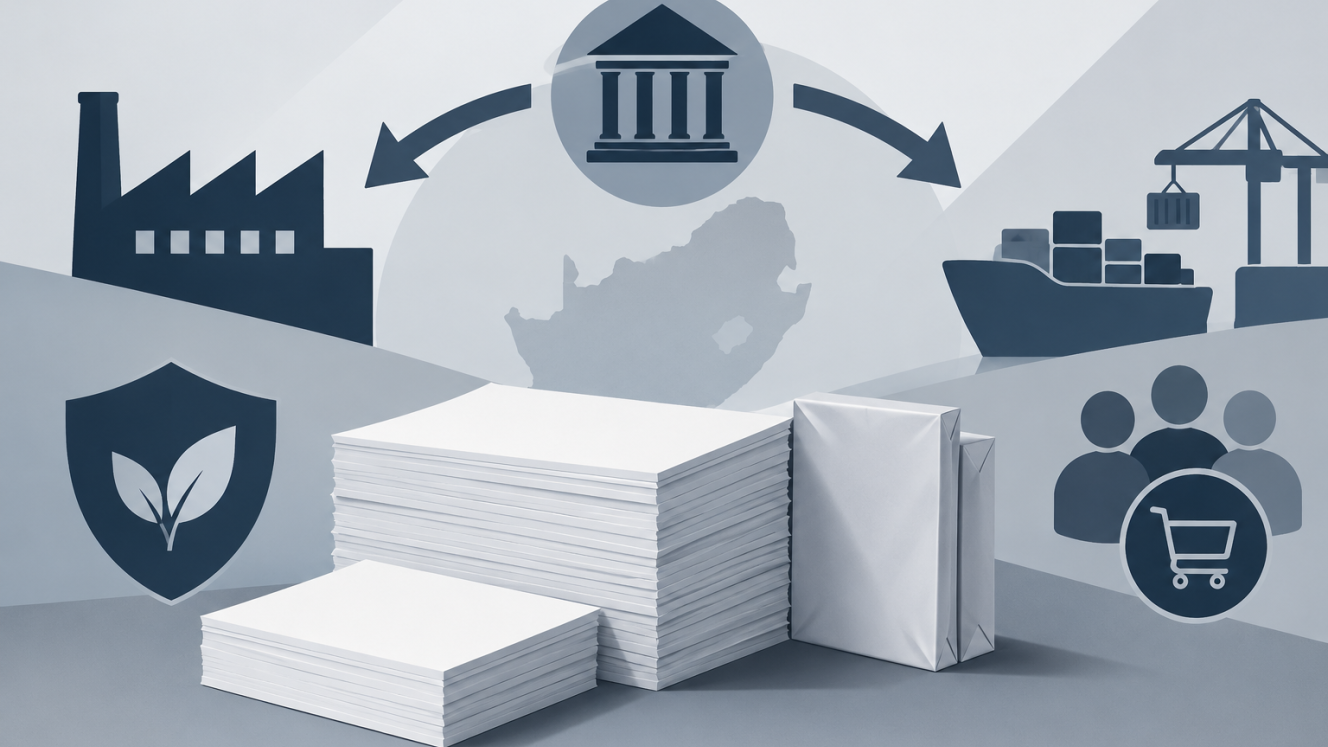
Greater use of data and intelligence could reduce unnecessary cargo inspections and improve the speed and predictability of border clearance.
Customs administrations are increasingly moving from inspecting goods at the border to identifying high-risk consignments before they arrive, according to Wendy Naidoo, Customs House Brokerage Quality Assurer at Maersk South Africa.
Naidoo discussed the development during an Institute of Customs, Freight Forwarding & Supply Chain Management supply chain and regulatory compliance masterclass on September 2.
“Modern customs enforcement is now shifting from checking goods at the border to analysing data even before goods arrive,” she said.
Under a risk-based model, customs authorities can direct limited inspection resources towards consignments, traders and commodities presenting the greatest risk. Lower-risk cargo can consequently move through the supply chain with fewer interventions.
The approach would not remove traders’ compliance obligations but could enable authorities to identify potential risks earlier.
“The future is not the removal of compliance. It is the automation, standardisation and intelligence surrounding compliance,” Naidoo said.
Advanced data systems and interoperability between regulatory authorities would be central to the model.
Information submitted through a single window could be validated and shared among customs and other government agencies, reducing the need for traders to submit the same information repeatedly.
For freight operators, fewer unnecessary inspections and regulatory stops could reduce clearance delays and uncertainty surrounding cargo movements.
However, technology would not eliminate the need for human intervention. During the question-and-answer session, a participant asked whether digital systems could address delays and corruption involving officials at border posts.
Naidoo acknowledged that fraud and human intervention could not be eliminated entirely and said strong governance, controls and accountability would remain necessary.
“The aim is to lower the risk of fraud and unnecessary stops while allowing compliant businesses to move cargo more efficiently,” she said.