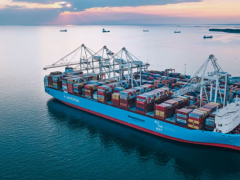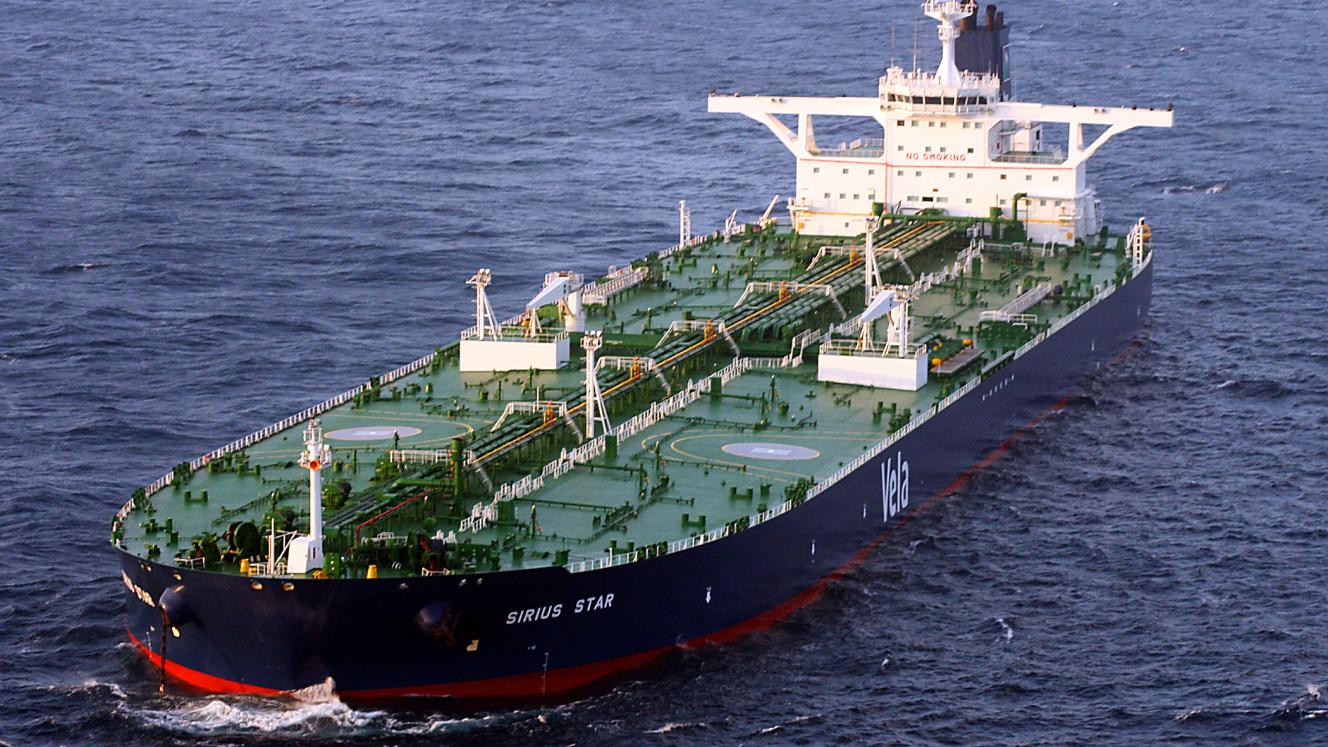
Earnings for very large crude carriers (VLCCs) have surged to unprecedented levels as conflict in the Middle East disrupts major oil-shipping routes and reduces the availability of vessels.
Earnings on the benchmark Arabian Gulf-Far East route averaged about $600 000 (R9.7 million) a day in August and exceeded $800 000 (R13 million) a day during September, according to shipbroker and maritime consultancy Poten & Partners.
Only a limited number of owners were prepared to accept the risks associated with transiting the Strait of Hormuz, driving rates for voyages originating inside the Arabian Gulf sharply higher, Poten & Partners said.
The war in the Middle East, closure of the strait and subsequent restrictions on shipping through the Bab el-Mandeb Strait had created unprecedented conditions in the tanker market, the shipbroker added.
However, the escalation was not confined to voyages passing through the Strait of Hormuz.
VLCCs loading in the Gulf of Oman, outside the strait, could earn about $450 000 (R7.3m) a day, while earnings on the West Africa-Far East route have risen to approximately $380 000 (R6.2m) a day.
Vessels operating between the US Gulf and Asia were earning around $275 000 (R4.5m) a day.
The sharp increase in spot earnings has also raised charter rates and the value of second-hand tankers. The maritime consultancy said a five-year-old VLCC was valued at about $158m (R2.56bn), compared with approximately $129m (R2.09bn) for a new vessel.
The premium reflects the ability to deploy an existing vessel immediately in the highly profitable spot market, while newbuildings take several years to deliver.
The global VLCC fleet comprised 928 vessels at the beginning of September, with an average age of 13 years. However, the order book had grown to approximately 40% of the existing fleet.
Poten & Partners said market opinion was divided over how long the exceptional conditions would last. A large order book could contribute to another downturn, although an ageing fleet, the possible removal of sanctioned vessels and increased demand for longer voyages could continue to support the market.
In the meantime, the company advised tanker owners to take advantage of the exceptional earnings, saying: “This may never happen again.”