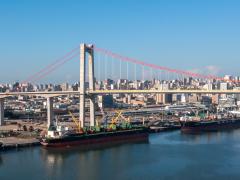
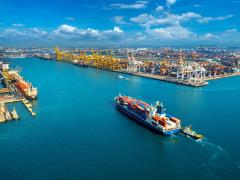
Durban Gateway Terminal (DGT) remained under severe pressure in the four weeks to September 10, with average daily throughput running 30.5% below the level achieved during the preceding four months.
The terminal handled an average of 3 672 TEUs a day from August 14 to September 10, compared with 5 286 TEUs a day from April 14 to August 13, according to the latest Busa Cargo Movement Update compiled by the Southern African Association of Freight Forwarders (SAAFF).
Waterside volumes during the latest four-week period were approximately 63% of those recorded during the corresponding period in 2025.
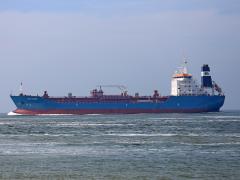
The update, which reflected operational conditions through September 10, showed that vessels securing berths had waited an average of about 212 hours at anchorage. Completed vessels spent an average of approximately 125 hours alongside.
The anchorage queue declined from ten vessels on September 7 to five on September 10. However, SAAFF said this had not yet translated into a sustained recovery in terminal performance.
By September 10, around 11 550 containers had been diverted to relieve pressure, with further diversion and network-management measures continuing.
Refrigerated cargo remained under pressure. Reefer occupancy reached 106% on September 9 before easing slightly to 102% on September 10.
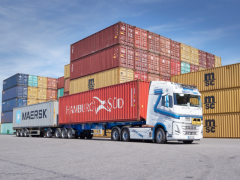
Overall stack occupancy increased from 60.8% on September 7 to 64.4% on September 9, before easing to 63.2% on September 10. Over the same period, the number of road import containers on hand rose by approximately 11%, from 3 968 to 4 421.
Gate activity averaged about 2 147 moves a day from September 7 to 10, fluctuating between 1 867 and 2 552 moves. Rail evacuation was also uneven during the period.
Elsewhere in the Port of Durban, Pier 1 handled 97% of its targeted volume during the latest reporting period. However, vessels waited an average of 51 hours at anchorage and spent 77 hours at berth.
The Durban Multi-Purpose Terminal recorded a 158% week-on-week increase in waterside volumes and exceeded its target by 118%. Vessel waiting times nevertheless remained elevated at an average of 89 hours.